
Democracy and Security Environment of an Island Nation
Book Review
Book Title: Multi-Party Democracy in the Maldives and the Emerging Security Environment in the Indian Ocean Region.
Author: Anand Kumar
Publisher: Pentagon Press
Year: 2016
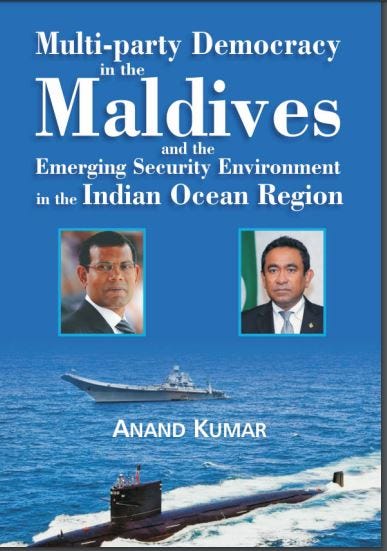
The title of this book under review is itself such interesting that can brew immediate attention of IR (Int’l Relations) scholars who have concentration on democracy and strategic studies.
In the book under review, author Anand Kumar opens the first three chapters with vivid narration of democratization in the Maldives. Spanning roughly three decades of struggle for democracy, the book’s narration is a mosaic of numerous upheavals in the island nation’s progress to democracy.
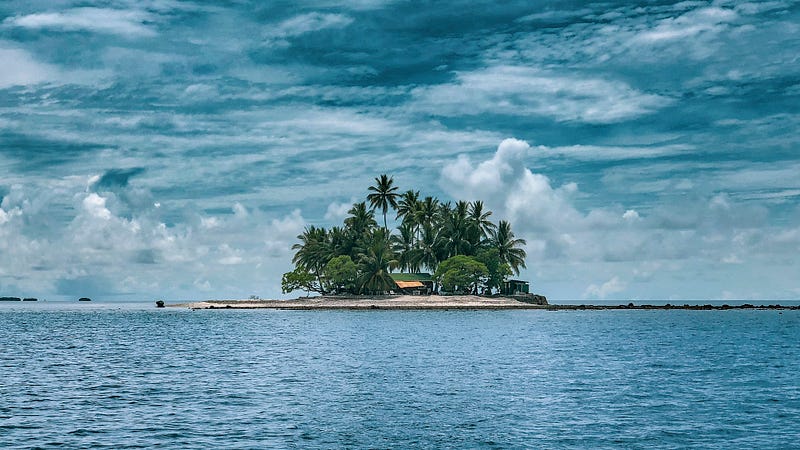
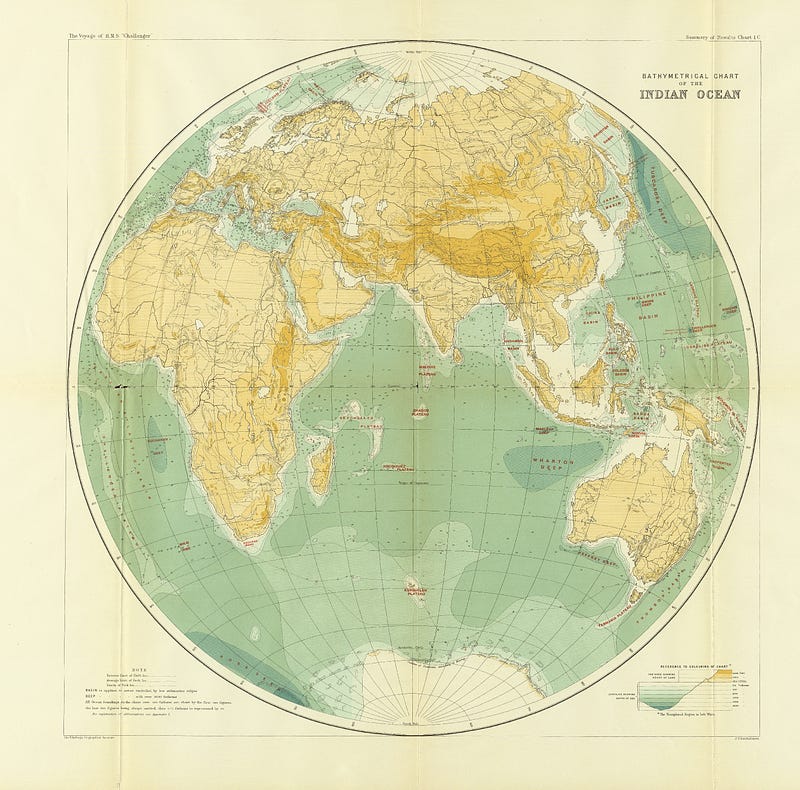
The Maldives is one of the most geographically dispersed countries in the world. In this island nation state, out of 1192 islands, approximately 200 are suitable for living. Till mid-1960's, the island nation was a British Colony. The Maldives is one of the founding members of the SAARC, a South Asian regional forum. The geo-strategic location of this island country is also crucial. The country just sits astride one of the vitals sea lines of communication, which frequently used by China, Japan and India for energy supply.

Voyage to Democratization
The book in its nine chapters, discusses the country’s progress to multiparty democracy. In addition to that the book attempts to capture preceding decades of national and regional politics relating to the island nation.
It discusses first multiparty (Presidential) election of 2008. This election event was held on basis of erstwhile 2008 Constitution. From that point of view, it can be suggested that the Presidential Election of 2008 was a culmination of constitutional development process.
However, afterwards, the island national started to face some teething problems. The outcomes of the 2008 President Elections in tandem with the 2009 Multiparty election dragged this island national state of the Indian Ocean into the brink of political fragility. The democracy of the country experienced disruptive partisan politics during the 2009 Multi-Party parliament election. Author writes:
“However, the institutions that were supposed to give strength to democracy remained weak. Undoubtedly, it was clear even before the new system came into being that a mere change in government would not necessarily bring in democracy.” (pp. 21, 22)
Strategic Dilemma and Security Scenario in the Indian Ocean
The books under review is also an evidence that India’s policy makers and think tanks have long been in the contact with the national politics and foreign affairs of this Island nation of the Indian Ocean. Obviously, foreign states, as international community, have potential role in safeguarding the island nation’s strides towards democratic transition and good governance.

As neighboring littoral state, India tries to engage into that role. Sometimes India was able to play a pivotal, while in other cases, many of its efforts were lost in vein due to ‘strategic security’ politics of other major players of international community. India’s such move sends out a signal to both international community and the Island nation about India’s priority of neighborhood. Major powers of international community cannot deny their indifference towards democratization in the Maldives.
The book misses a chance explain why most often India’s good ideas about neighborhood has always fallen short at the end. Is it due to capacity or lack of aspirations?
However, while sifting through the pages of the book, readers will find that the national political players of this island nations had been quite picky in seeking assistance of the international community and foreign states.
Well, the political personalities of Maldives itself cannot shrug off their failure in the democratization process of the island nations. In many cases, rather than entrenching the foundation of the Maldives’s democracy, their political interests played priority role. Therefore, in observing the democratic progress of the Maldives, one can sort out that the island nation’s foundations of human rights protection, good governance, free press, separation of powers and civil society could not manage to secure firm footing.
The Kernel of the book lies in the concluding chapter, where author’s writings shine and the book’s narration mirrors that author has tried to be fair in evaluating situation. All the above referred complexities are lucidly enumerated by author in the concluding chapter.
Author observes:
“The Maldives, on its parts, still claims that it sees its security interests through the lens of India and Sri Lanka, but other powers too want to be its security partners, namely China and the US. … … [t]he US attempted to sign a SOFA when Waheed was in power. While India assumed that its interests were better served with multi-party democracy and Nasheed in power, the Americans used the resultant strain in the bilateral relationship to promote their cause. Interestingly, while the Americans were negotiating SOFA with the Maldives, their Western partners stopped making noise over the democratic deficit in the country.” (p.160)
How the presence of the foreign powers in the Maldives has been intensifying the strategic landscape of the Indian Ocean Region, is explained in detailed by the author:
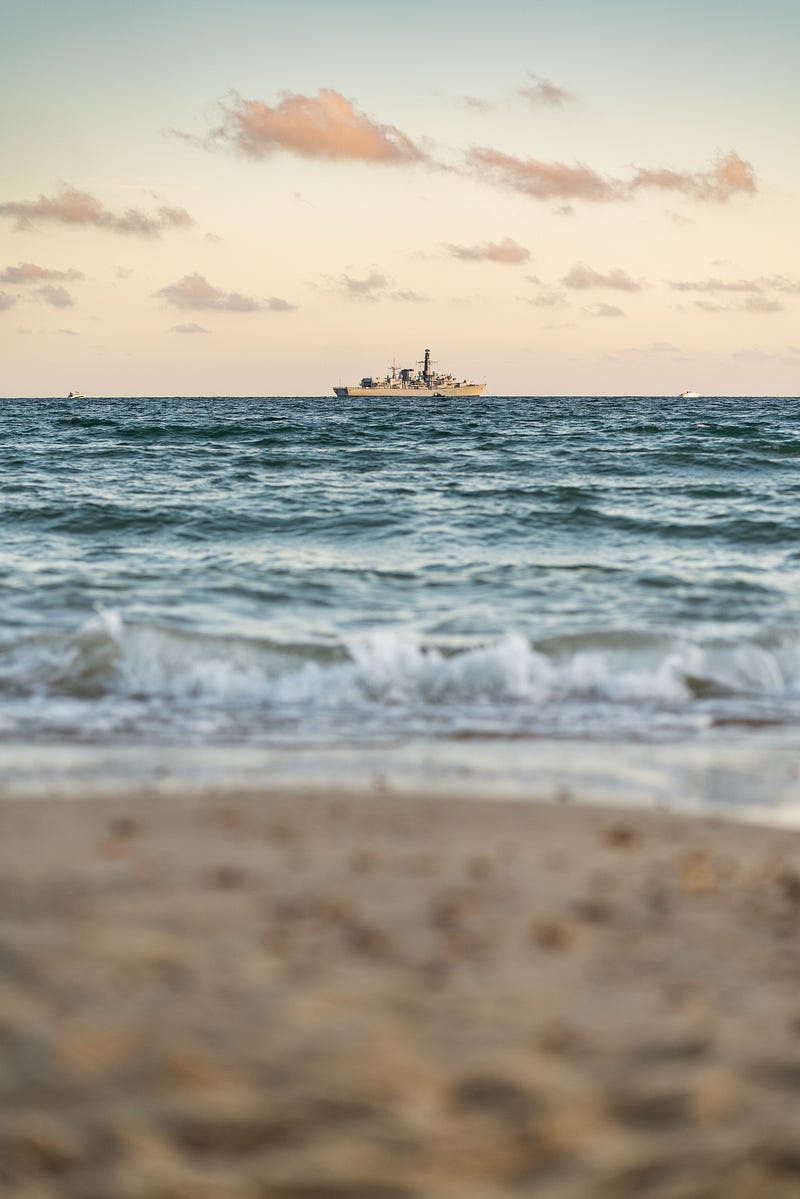
“However, from the Indian perspective, to counter increasing Chinese naval presence in the Indian Ocean, welcoming increased US military presence in the region may not be a very judicious idea. … … It may only create further complications for the Indian foreign policy towards the Maldives and worsen rivalry among external powers in the IOR.
However, the desire of China to become a maritime power has also brought in competition in this region. The Chinese are already trying to project power by sending submarines in the Indian Ocean. These Submarines have docked at Colombo and Gwadar, and a submarine is also suspected to have travelled in the Maldivian waters.” (p.160)
Above all, the book is a vital resource of primary and secondary academic materials to delve into research on the national and foreign affairs of this Island Nations of the Indian Ocean.


