
Define Frequency In Marketing
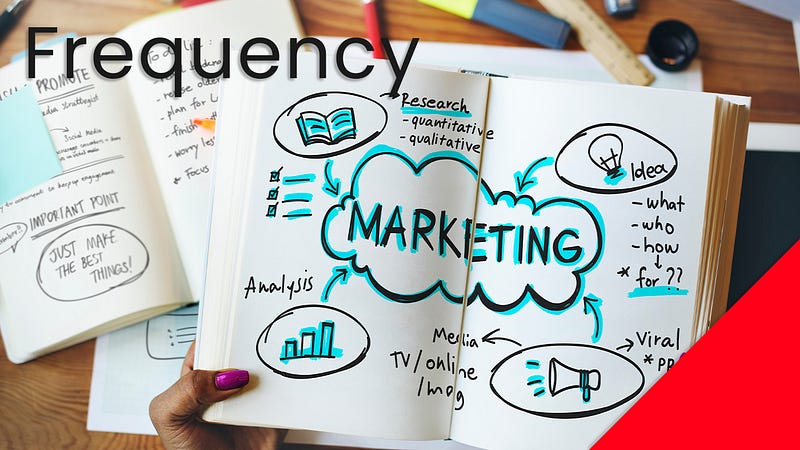
Frequency in marketing is the number of times a customer is exposed to a marketing message. It’s one of the most important factors in determining how successful a marketing campaign will be.
Frequency is often measured in terms of impressions, or the number of times a customer sees a message.
If you surf the internet insecurely, consider using Nord VPN as it keeps you and your family safe. Follow this affiliate link to learn more about why you should use Nord VPN.
There are three main factors that determine the frequency in marketing
The number of exposures:
The first factor is the number of times the customer is exposed to the message. This can be done in a number of ways, including TV commercials, radio ads, internet ads, direct mail, and even in person, such as when a salesperson visits a customer’s home.
The more times a customer is exposed to a message, the more likely they are to remember it. And, as we’ll see later, the more likely they are to act on it.
Timing of exposures:
The second factor is the timing of the exposures. If a customer is exposed to a message multiple times, but the exposures are spread out over a long period of time, they’re less likely to remember the message than if the exposures are clustered together.
For example, imagine you see a TV commercial for a new product once a day for a week. By the end of the week, you’ll probably remember the product. But if you only see the commercial once a month, you’re much less likely to remember it.
Spacing of exposures:
The third factor is the spacing of the exposures. If a customer is exposed to a message multiple times, but the exposures are spaced out over a long period of time, they’re less likely to remember the message than if the exposures are clustered together.
For example, imagine you see a TV commercial for a new product once a day for a week. By the end of the week, you’ll probably remember the product. But if you only see the commercial once a month, you’re much less likely to remember it.
So, frequency in marketing is the number of times a customer is exposed to a marketing message, and it’s one of the most important concepts in marketing because it determines how likely customers are to remember and act on the message.
What Are The Benefits Of Frequency In Marketing?
First and foremost, frequency helps to increase awareness. When people see or hear your message multiple times, they’re more likely to remember it. In fact, studies have shown that people need to see or hear a message at least six times before they’ll take any action.
Frequency also helps to increase engagement. When people are engaged, they’re more likely to take action, whether that’s buying your product or service or simply sharing your message with their friends and family.
And, finally, frequency helps to increase Return on Investment (ROI). The more times people see or hear your message, the more likely they are to take action. And, when it comes to marketing, that’s why we want people to take action and buy our product or service.
So, if you’re looking to increase awareness, engagement, and ROI, frequency is the way to go.

If you’re curious about what others are doing in your field. Consider subscribing to Medium.com as it’s an amazing blogging platform to learn and grow as a professional. You can join using my affiliate link here — Subscribe to Medium. Don’t forget to follow. Thanks.
How Can You Determine The Frequency Needed For Your Marketing Campaign?
Frequency, in marketing, refers to the number of times a potential customer sees or hears your marketing message. It is one of the most important factors in determining the success of a marketing campaign.
There is no one-size-fits-all answer to the question of how much frequency is needed for a marketing campaign. The amount you need will vary depending on your product, your target audience, and your marketing goals. However, there are a few things to keep in mind when determining the frequency of your campaign.
First, you need to consider how often your target audience is likely to see or hear your marketing message. If you are targeting a general audience, you will need to reach them more often than if you are targeting a niche audience.
Second, you need to consider your marketing goals. If your goal is to increase brand awareness, you will need to reach your target audience more often than if your goal is to generate leads.
Finally, you need to consider your budget. The more often you want to reach your target audience, the more money you will need to spend on your marketing campaign.
Once you have considered all of these factors, you can start to develop a frequency plan for your marketing campaign. The plan should include the number of times you will reach your target audience and the timing of your messages.
When developing your frequency plan, it is important to keep in mind that you need to be consistent. If you are not consistent, you will not be effective. You should also be prepared to adjust your frequency plan as needed. If you find that you are not reaching your target audience, you may need to increase the frequency of your messages.
In conclusion, frequency is an important factor in determining the success of a marketing campaign. When developing a frequency plan, you need to consider your target audience, your marketing goals, and your budget. You also need to be consistent and prepared to adjust your plan as needed.
What Are Some Tips For Increasing The Frequency Of Your Marketing?
There is no one frequency that will work for all businesses or all marketing goals. However, there are a few general tips that can help you increase the frequency of your marketing:
1. Identify your target audience and figure out where they are spending their time. Then, make sure your marketing is where they are likely to see it.
2. Make sure your marketing is interesting and engaging. If it’s not, people will quickly tune it out.
3. Experiment with different marketing channels and strategies to find what works best for you.
4. Be consistent with your marketing. If you’re not consistent, people will lose interest.
5. Try to make your marketing relevant to people’s lives. If it’s something that people can connect with, they’re more likely to pay attention.
6. Keep your messaging clear and concise. If it’s too complicated or wordy, people will lose interest.
7. Make sure your marketing is timely and relevant. If it’s not, people will ignore it.
8. Use a variety of formats to deliver your marketing messages. This will help keep people interested.
9. Be creative and think outside the box. If you can come up with a new and interesting way to reach your target audience, they’re more likely to take notice.
10. Stay up to date with the latest marketing trends and techniques. If you are using outdated methods, you’re likely to see lackluster results.
How Does Frequency Impact Human Response
Frequency is one of the most important factors that affect how people respond to marketing messages. The more often someone sees or hears a message, the more likely they are to respond to it. This is because the more often a person is exposed to a message, the more likely they are to remember it.
In general, the more often a person is exposed to a message, the more likely they are to respond to it. However, there are a few exceptions to this rule. For example, if a person is exposed to a message too often, they may become desensitized to it and stop responding.
Additionally, the impact of frequency on response rates varies depending on the medium used and the type of message. For example, frequency is more important for TV and radio ads than it is for online ads, and it is more important for direct mail than it is for email.
How Does Frequency Impact ROI
There is no one answer to this question, as the effect that frequency has on ROI will vary depending on the product or service being marketed, the target audience, and the marketing mix is used.
However, there are a few general things that can be said about how frequency affects marketing ROI.
First and foremost, frequency is important because it helps to ensure that potential customers are aware of a product or service. The more often a message is seen or heard, the more likely it is that people will remember it and be influenced by it. This is especially true in the digital age when people are bombarded with advertising and marketing messages from all sides.
In addition, the frequency can help to improve ROI by increasing the chances that people will take action after being exposed to a marketing message.
For example, if someone sees or hears a marketing message a few times, they may be more likely to visit a website, call a toll-free number, or make a purchase than if they only see or hear the message once.
Finally, the frequency can also help to improve ROI by increasing the overall effectiveness of a marketing campaign. This is because frequency allows marketers to fine-tune their messages and target them more effectively to the right audience.
As a result, people are more likely to respond to the marketing message, which can lead to increased sales and ROI.
If you’re curious about what others are doing in your field. Consider subscribing to Medium.com as it’s an amazing blogging platform to learn and grow as a professional. You can join using my affiliate link here — Subscribe to Medium. Don’t forget to follow. Thanks.
What Are Some Things To Keep In Mind When Increasing The Frequency Of Your Marketing
There is no one-size-fits-all answer to this question, as the ideal frequency for marketing will vary depending on the specific industry, product, and target audience. However, there are a few general things to keep in mind when increasing the frequency of your marketing:
1. Make sure that you are able to produce high-quality content on a consistent basis. This means that you should not increase the frequency of your marketing if you are not able to produce content that is of high quality and relevance to your target audience.
2. Make sure that you are not overwhelming your audience with too much marketing content. This can lead to fatigue and a decreased willingness to engage with your brand.
3. Make sure that you are spacing out your content in a way that is logical and makes sense to your target audience. For example, if you are a B2B company, you may want to consider releasing content on a daily, weekly, or monthly basis, rather than hourly or minute-by-minute.
4. Make sure that you are tailoring your content to the specific medium through which it will be delivered. For example, if you are releasing a video, make sure that the video is of high quality and provides value to the viewer.
5. Make sure that you are tracking the success of your marketing campaigns and making necessary adjustments to ensure that you are getting the most out of your investment.
By following these general tips, you can increase the frequency of your marketing in a way that is both beneficial to your brand and respectful of your target audience.
Here are 5 key takeaways from defining frequency in marketing
1. Frequency is one of the most important factors in determining the success of a marketing campaign.
2. Frequency can be used to increase brand awareness, create a connection with customers, and increase sales.
3. Frequency should be tailored to the target audience and the type of marketing campaign.
4. There are a variety of ways to measure frequency, including impressions, reach, and frequency of contact.
5. Frequency is an important factor to consider when planning a marketing campaign.
Frequency In Marketing Conclusions
Frequency in marketing is the number of times a customer is exposed to a marketing message. It’s one of the most important factors in determining how effective a campaign will be. The more often a customer sees or hears a message, the more likely they are to remember it and take action.

If you found the article beneficial, smash the clap button as it helps others find my work. Don’t forget to sign up for my email list as I scour the web for useful information. Also, consider subscribing to Medium as it’s an amazing platform for people who enjoy learning from others. Please join through my affiliate link here Subscribe to Medium.
If you surf the internet insecurely, consider using Nord VPN as it keeps you and your family safe. Follow this affiliate link to learn more about why you should use Nord VPN.


