
Defenders of US Wars
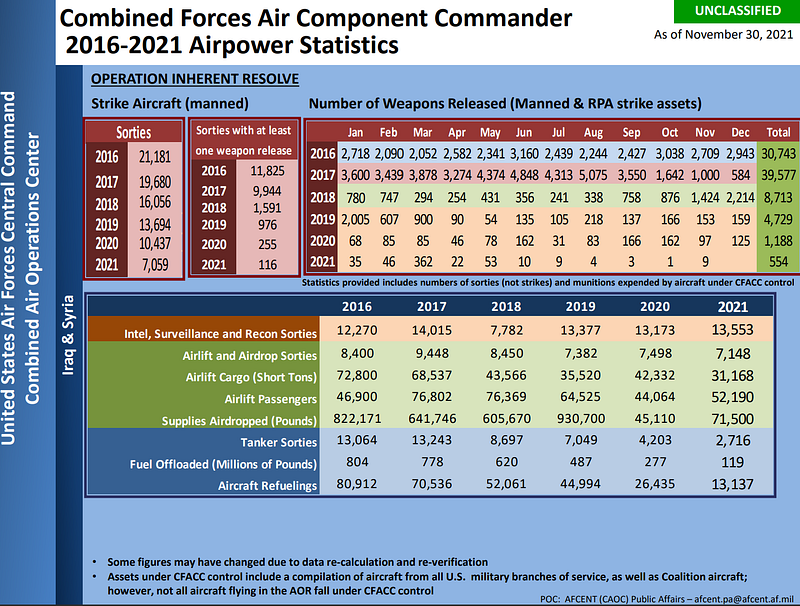
The US occupied 138 nations and dropped 26,171 bombs in 2016 and 337,000 within twenty years, yet we don’t discuss its brutalities.
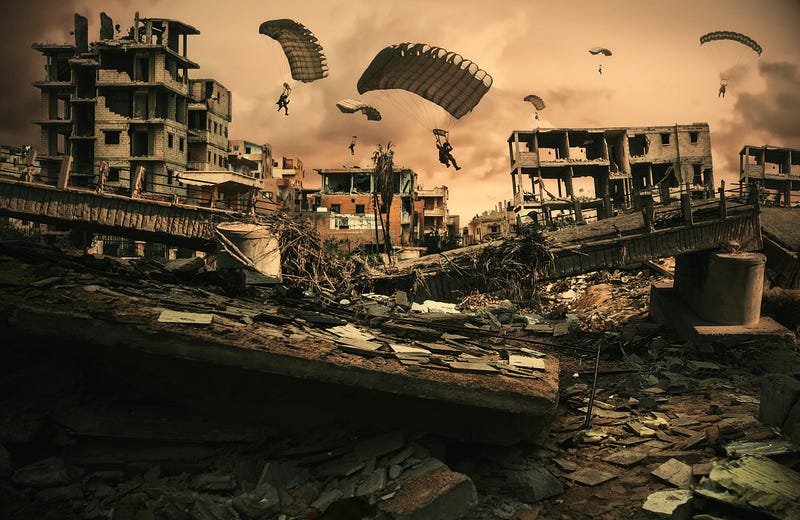
The US dropped at least 337,000 bombs on Iraq, Afghanistan, Lebanon, Libya, Pakistan, Palestine, and Syria over the past twenty years, and missile strikes maim Somalia and Yemen today. Our government unloads assaults on whomever it pleases, and if it murmurs an excuse for the violence, the media endorses it, and the public defends it.
Politicians insist wars enforce democracy and security, and the world begs for foreign intervention. They stir a fearful impulsive frenzy to attack before the smoking gun becomes a mushroom cloud or armageddon, but the details are always vague, and the media doesn’t challenge them.
The public doesn’t know if “rebel forces” are most of the population or a small handful of disgruntled citizens because we’re unaware of foreign countries’ history, politics, culture, and economic structures. Yet, we impose our inexpert critique, insisting we know best and support the wars that destroy the world, assuming we’re rescuing it from oppressive regimes, never doubting our country’s intentions, and believing warfare leads to peaceful stability.
Our government and NATO, excluding the numerous members who protested, attacked Libya, turning it into a live auction slave-trade nation. Libyans did not summon the bombs or intervention, yet many Americans declared Gaddafi evil and justified the ruthlessness despite understanding Libya. It never occurs to us that we’re uninformed and that overthrowing a leader has severe repercussions.
Scholars spend years, if not decades, analyzing a country’s complexities, but the media’s reports educate the public, making everyone a pseudo-expert. We boldly disregard intellects who present varying perspectives and repeat verbatim buzzwords bellowing from our preferred entertainers because we don’t want to be informed.
The Obama administration dropped 26,171 bombs and occupied 138 nations (70% of the world) in 2016. That’s nearly three bombs per hour, 24 hours a day, and immeasurable global suffering. We dehumanize and contort the data to align with a rational narrative, but an excessive military and arsenal are not moral, humane, sane, or tolerable.
Keeping up with the international assaults is challenging because our government is always involved in a conflict, and we don’t want to discuss it. Anyone who dares broach the deadly topic receives vile discontent, threats, accusations, slander, and censorship, and journalists fear becoming the next Julian Assange.
A pro-war, xenophobic insurgency is pulsating through our country, and the US doesn’t need more encouragement. It has launched 251 military interventions since 1990, violating human rights more than any nation and escalating an unimaginable conflict with China. Yet, Americans who are too old for the draft promote a confrontation with 1.4 billion Chinese.
The propensity for wars increases because we never reflect on or openly discuss our government’s brutalities. We avoid the conversation by hiding behind other nations’ barbarities to excuse ourselves from critical reflection, but who will stop the killing if we won’t? The UN and ICC won’t defy the US; it silenced, sanctioned, and threatened them.
There’s no one scrutinizing and holding the US liable, and we’ve turned our backs on the world and ourselves, offering no justice, reprieve, or accountability. We’re spectators who don’t understand our role as citizens, and our silence enables our country to get away with murder.
We’ve never experienced the destruction conflicts inflict on people. They impair infrastructure, agriculture, water, the environment, the economy, and the human psyche. Famines, deprivation, trauma, violence, and environmental pollution plague regions, destabilizing peace for generations, and we advocate for this.
There were no weapons of mass destruction in Iraq, but after the US unleashed its toxic war, unprecedented deformity rates appeared in Iraqi infants. Babies are born with tumors, two heads, and neurological disorders, while adults endure excessive cancer diagnoses. The conflict worsened Iraq, and the US military still occupies the country.
“The Americans wanted this. If they didn’t, they would have cleaned up from their wars. They starved us during the sanctions; now they are poisoning us.” — Iraqi civilian
Our government spent at least $8 trillion to kill (conservative estimate) 1 million and displace 38 million people since the war on terror began. The US destabilized the world, and it wasn’t to provide Americans with an exceptional lifestyle or freedom for the oppressed.
We fund massacres instead of peace, progress, stability, education, healthcare, climate care, and social needs, but we can’t ask why the US unloaded 337,000 bombs on 404.281 million people from 2003 to 2021. Half of the missile strikes (154,078) battered Iraq and Syria, yet we don’t think about their suffering or wonder why anyone would so excessively thrash nations.
Almost twenty years of war and occupation to free people from repressive governments isn’t liberating. Every bomb ravaged lives, communities, and the environment, exposing people to relentless violence and suffering, but we point at other nations and say nothing about ours.
How would we feel if a nation invaded the US to rescue Americans from mass poverty, incarceration, racism, immigration detention centers, child labor, human rights abuses, propaganda, militarized police, and an enormous military? Would foreign interference improve our lives; have any interventions since WWII led to a better outcome?
We don’t think about the misery our government imposed on the world, but do we even care?


