
Decoding Synthetic Biology: Core Technologies in Synthetic Biology
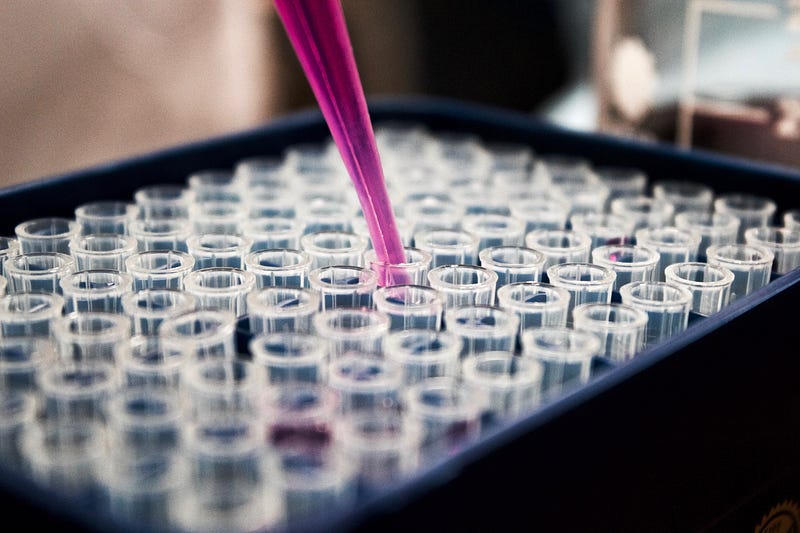
The field of synthetic biology stands at the convergence of various scientific disciplines, each contributing critical technologies and techniques. At its heart, synthetic biology is about reimagining and reconstructing life. This monumental task is made possible through a suite of advanced technologies that have turned what was once a futuristic dream into a burgeoning reality.
DNA Synthesis and Sequencing:
The advent of DNA synthesis and sequencing technologies has been a game-changer. Sequencing allows us to ‘read’ the genetic code, understanding the blueprint of life in its molecular form. DNA synthesis, on the other hand, is akin to ‘writing’ or constructing new genetic sequences.
Gene Editing:
The Precision Scalpel Gene editing technologies, particularly CRISPR-Cas9, have revolutionized our ability to modify genetic material with unprecedented precision. Think of it as a molecular scalpel, capable of cutting and pasting DNA sequences, enabling scientists to edit genes with accuracy never seen before.
Bioinformatics:
The Digital Backbone In synthetic biology, bioinformatics plays a pivotal role. It involves using computational tools to manage, analyze, and interpret biological data. As we delve deeper into synthetic biology, the data we gather becomes vast and complex. Bioinformatics is the key to unlocking this treasure trove of information, helping us understand and design biological systems.
Systems Biology:
Understanding Complexity Systems biology takes a holistic approach, looking at the bigger picture of how biological systems function. It’s about understanding the interactions and networks between various biological components — like genes, proteins, and other molecules — and how they give rise to the properties of life.
Microfluidics:
A Lab on a Chip Microfluidics is revolutionizing lab work in synthetic biology. It allows the manipulation of fluids at a very small scale — think of it as a lab on a chip. This technology is crucial for automating and miniaturizing biological experiments, making them more efficient and accessible.
Synthetic Genomics:
Building Life from Scratch Synthetic genomics is an ambitious area of synthetic biology that aims to create new life forms or redesign existing ones by artificially constructing genetic material. It’s about more than just tweaking existing genes; it’s about creating new genomes — the complete set of an organism’s DNA.
Metabolic Engineering:
Rewiring Cellular Machinery Metabolic engineering involves modifying the metabolic pathways within cells to increase the production of certain substances or create new ones. This could be used for everything from producing biofuels to creating new pharmaceuticals.
Protein Engineering:
Designing Molecular Machines Proteins are the workhorses of the cell, and through protein engineering, we can design proteins with new or enhanced functions. This could involve creating enzymes that speed up specific chemical reactions or designing proteins that can interact in novel ways.
Conclusion:
The Future Is Now The technologies and techniques of synthetic biology are not just about understanding life; they’re about creating it. From the molecular level to entire ecosystems, these tools are reshaping our world. As we continue to push the boundaries of what’s possible, the future of synthetic biology holds limitless potential.