
Decisive Action in the Red Sea: U.S. Navy Counters Houthi Rebel Aggression
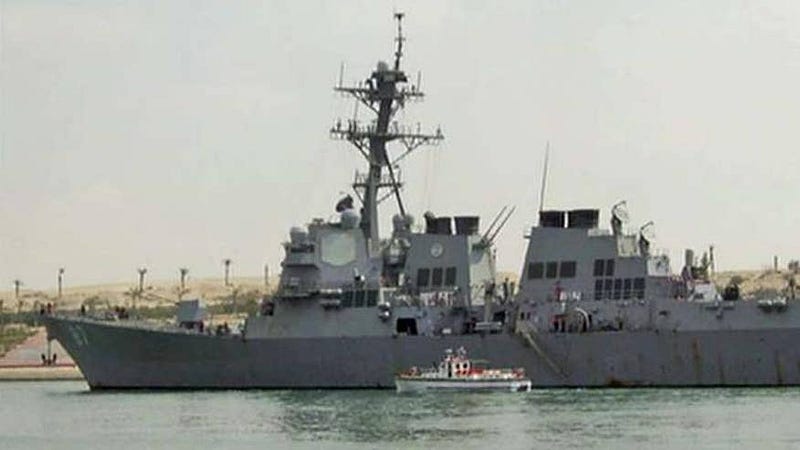
On December 31, 2023, the U.S. Navy engaged in a significant operation in the Red Sea, targeting Houthi rebels from Yemen. This event was part of an ongoing conflict in the region and marked a critical incident involving U.S. military action.
The incident began when the Singapore-flagged Maersk Hangzhou, a Danish-owned container ship, was transiting the Red Sea and came under attack. The ship was first struck by a missile on the previous night and then approached by four small boats from Houthi-controlled areas in Yemen. These boats got dangerously close to the Maersk Hangzhou, within about 20 meters, and opened fire with small arms. In response to the attack, the ship issued a distress call.
The U.S. Navy, with helicopters from the USS Dwight D. Eisenhower (an aircraft carrier) and the USS Gravely (a destroyer), responded to the distress call. As the U.S. helicopters approached, they too came under fire from the small Houthi boats. In self-defense, the helicopters engaged the boats, sinking three of the four and killing their crews. The fourth boat managed to escape. This decisive action by the U.S. Navy helicopters resulted in no reported injuries to the crew of the Maersk Hangzhou or to U.S. personnel, and there was no damage to U.S. equipment.
This confrontation was a part of a larger pattern of aggression in the Red Sea, particularly targeting commercial shipping. The Houthis, backed by Iran, have been implicated in over 20 attacks against ships in this region since November. These actions have raised significant concerns about maritime security and freedom of navigation in a critical global shipping lane. The Red Sea, especially the Bab el-Mandeb Strait, is a vital route for international trade, with a significant percentage of global trade passing through it.
The U.S. response, including the sinking of the Houthi boats, was a part of broader efforts to ensure the safety of commercial shipping in the region. This incident comes amidst heightened tensions in the Middle East, including the ongoing conflict in Gaza between Israel and Hamas, which has seen substantial civilian casualties and has contributed to regional instability.
In response to these threats, the U.S. has led a multinational naval task force, Operation Prosperity Guardian, to protect shipping in the Red Sea. This operation involves several countries, although the U.S. has been the primary contributor in terms of military assets. The aim is to deter and defend against such attacks and to ensure the free flow of commerce and navigation in this essential waterway.


