
Death of Pregnant elephant in Kerala
Does it include the deeper questions of crises?
The famous poet German Holderlin says, “But where the danger is, also grows the saving power.” German philosopher Martin Heidegger’s essay “The Question Concerning Technology” discusses this question in detail; his analysis is to understand the essence of technology, where the revelation of danger and potential of saving power exists. Beyond the point of agreeing or disagreeing with Heidegger, he reveals a methodology to discover the solutions in the midst of the crises and dangers
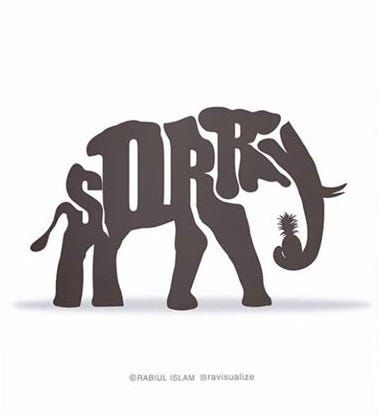
A pregnant elephant was killed in Kerala recently and there is a lot of uproar in the media regarding the same incident. When an authoritative report on the sequence of events is yet unavailable, it is believed that the elephant consumed a pineapple stuffed with fireworks. One of the preliminary reports say that the elephant was not fed by pineapple stuffed with fireworks, but it strayed into a trap laid for wild boars. Definitely people do feel sad for horrible death that has happened to a pregnant elephant. There are innumerable petitions and outcry around the world to arrest the persons involved. There are a few posts even in social media, who try to gain political mileage out of the incident by using the name of Malappuram district instead of Palakkad district.
If the culprits are caught tomorrow, will our outcries end there?
Are we satisfied with some posts saying humanity is dead?
What are some of the larger questions we forget here? Official rules may say that trap for wild boars is illegal, but is the legality of the trap the basic question? In this world of social media and extensive spread of information, we are all satisfied with the instant gratification and thus many of our problems do remain as problems to be settled. Some of the questions, that need to be asked are …
- How is the life of the farmer, especially those facing the damage of crops by wild animals?
- How important are the yields and crops to the life of farmers?
- Are there government mechanisms and schemes to protect the crops of farmers from wild animals?
- Are farmers anti-animals?
Our love for wild animals and ecology should be able to provoke discussions on these larger questions, encouraging integrated responses that account for the interests of all stakeholders.


