avatarStephenie Magister ✨

Free AI web copilot to create summaries, insights and extended knowledge, download it at here

3360

Abstract

ty comes in. Remember when I said too much pain makes the reader revolt?</p><figure id="979e"><img src="https://cdn-images-1.readmedium.com/v2/resize:fit:800/0*X5r-FGGtLUmByPTv"><figcaption>Photo by <a href="https://unsplash.com/@theshubhamdhage">Shubham Dhage</a></figcaption></figure><p id="3835">The experience of vulnerability is the good stuff. In her incredibly popular TED Talk <a href="https://www.youtube.com/watch?v=iCvmsMzlF7o">"The Power of Vulnerability,"</a> Brene Brown says that vulnerability is what we manifest when we are in our most healthy and whole state.</p><p id="9570">The problem is that well, we so often confuse vulnerability for weakness that evoking it for the reader can be just as painful as pain itself.</p><p id="0b98">Your story’s job then isn’t MERELY to tell a story — it’s to take readers on a journey that transforms their experience of vulnerability.</p><h2 id="4594">THE PAYOFF IS THE PROMISE, THE PROMISE IS THE PREMISE</h2><p id="5b2d">If the primary element of your plot is a love story, for example, we know the two (or more lol) characters are meant for each other because of the powerful experiences of vulnerability they are able to experience when they are with each other.</p><p id="d8ac">The same is true if your story is extra steamy. Erotic romance plays by the same rules — the characters just don’t allow themselves to experience vulnerability until the clothes come off.</p><p id="2f41">Those experiences of vulnerability — whatever is appropriate for your characters and premise — are the empowering moments that foreshadow what your character will earn at the end of the story.</p><figure id="3cb0"><img src="https://cdn-images-1.readmedium.com/v2/resize:fit:800/1*BbvzMxGmLCGb0umvULxhmg.png"><figcaption></figcaption></figure><p id="2f66">Because while that degree of vulnerability really was a threat to their safety at the start of the story, by the end, their experiences have EMPOWERED them to such a degree that they can hold their worthiness even in times of distress.</p><p id="d115">You show that final state of empowerment in the book’s <a href="https://stephenieedits.com/story-structure-glossary/2018/8/4/story-structure-glossary-ngjmd">final All Is Lost/Black Moment</a> (referred to in Romance as the Grand Gesture). This is when the character has finally grown enough to simply step over what once tripped them up every time.</p><h2 id="2139">THE FINAL INGREDIENT</h2><p id="f58a">In Women’s Fiction, the thing your character reached for every time must now come within reach.</p><p id="482b">After a failure that cost them everything, your character has one last chance.</p><p id="230e">The entire story has taught the character — and the reader — that if they will just do this one thing, everything would work out.</p><p id="3f67">But that one thing is whatever causes your character the MOST vulnerability.</p><p id="2ff9">They reach for the thing one last time, knowing in all previous attempts they have failed.</p><p id="8b61">They make this final attempt with the awful consequences of their recent failure letting them know THIS is their last chance to get it right.</p><p id="895e">And that’s where the final ingredient comes in. Your story just spent however many pages teaching the reader how to experience vulnerability with your character and NOT throw the book across the r

Options

oom.</p><p id="b573">Because in the end, thanks to your story? We finally get it.</p><p id="072d">Vulnerability is a GOOD thing. We need it as surely as our characters.</p><h1 id="c6c0">THE END</h1><p id="da3c">A special thanks to award-winning author and writing coach Michelle Hazen for her invaluable insight on Women’s Fiction and Romance.</p><div id="a7c4" class="link-block"> <a href="https://sanctuaryeditorial.wixsite.com/home"> <div> <div> <h2>Home | Sanctuary Editorial</h2> <div><h3>Write happier. Faster. Better. Welcome! I'm Michelle, a certified book coach, editor, and author. I'm here to help with…</h3></div> <div><p>sanctuaryeditorial.wixsite.com</p></div> </div> <div> <div style="background-image: url(https://miro.readmedium.com/v2/resize:fit:320/0*mLmtZgC2VImZ6Uk8)"></div> </div> </div> </a> </div><p id="c65c">For my story, please read “<a href="https://readmedium.com/i-am-trash-f6d8663aca7d">I Am Trash</a></p><p id="da2a">If you enjoyed this article, please follow me <a href="https://medium.com/@TransgenderSoapbox">here</a> and/or go to my <a href="https://patreon.com/pubcon">Patreon</a> to support me providing more content like this.</p><p id="8975">If you want help telling your own story, please go to <a href="https://stephenieedits.com/">Stephenie Edits</a></p><div id="342f" class="link-block"> <a href="https://readmedium.com/i-am-trash-f6d8663aca7d"> <div> <div> <h2>I Am Trash</h2> <div><h3>In a mental health institution for boys, a young trans girl isn’t trash. She’s a prize.</h3></div> <div><p>medium.com</p></div> </div> <div> <div style="background-image: url(https://miro.readmedium.com/v2/resize:fit:320/1*wZAqMiv6eT9eRG8d7N1zDA.png)"></div> </div> </div> </a> </div><div id="3e35" class="link-block"> <a href="https://patreon.com/transgendersoapbox"> <div> <div> <h2>Transgender Soapbox is creating queer tips to help you sound smart at writing conferences | Patreon</h2> <div><h3>Subscribe to instantly become a part of the True Crime in Publishing Fan Club and receive all of the privileges…</h3></div> <div><p>patreon.com</p></div> </div> <div> <div style="background-image: url(https://miro.readmedium.com/v2/resize:fit:320/0*XGZL-D51FybXT8P3)"></div> </div> </div> </a> </div><div id="57f1" class="link-block"> <a href="https://stephenieedits.com"> <div> <div> <h2>Stephenie Edits</h2> <div><h3>I'm Stephenie, editor for award-winning and USA Today best-selling books. I provide transformative editing and…</h3></div> <div><p>stephenieedits.com</p></div> </div> <div> <div style="background-image: url(https://miro.readmedium.com/v2/resize:fit:320/0*ALDTGWJsDNvzHwht)"></div> </div> </div> </a> </div></article></body>

Dear Writers: What are the primary emotions readers need to experience in Women’s Fiction (and maybe Romance)?

grief exposure vulnerability

In Women’s Fiction, we lose the things we thought would always hold us together. But what we find underneath is what we understand to be most true and worthy about ourselves.
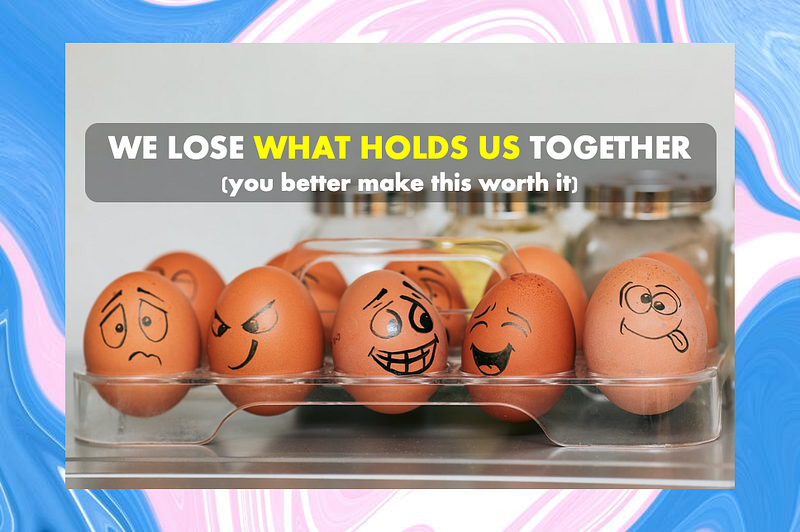
Waiting for those eggs to crack

THAT TIME YOU FIRST ASKED YOUR BOOK ON A DATE

Tell me if this has ever happened to you.

THE STORY OF HOW YOU WROTE YOUR STORY

You wrote a romancey-ish thing that

doesn’t end happily

has a romance in it but also lot of other stuff that dominates just as much of the premise/story

a plotless experience focused on the many sad and exhausting things that happen to women

an ending no one earned and honestly just rehashes pointless grief

though maybeeee the woman falls in love with a fisherman at the seaside village she fled to after her divorce and the assorted funerals of her children and family members, so she feels slightly less ghastly than she did at the beginning

WHEW! That’s quite a story. So what did the reader take away from it?

Okay, it’s a made-up example, so let’s get real with a real question.

If you’re writing Women’s Fiction, what makes it all worth it for your readers?

THE PAYOFF

The payoff for Women’s Fiction is the INDIVIDUAL EMPOWERMENT OF WOMANHOOD. This is why you might see lots of love stories in WF, but you’ll just as often see divorce, death, or stories of empowerment that have nothing to do with romance.

In a deceptively-similar way, Romance provides the same payoff of individual empowerment — it’s just that the character’s empowerment by virtue of the Romance genre depends on a feeling of true love fulfilled.

In this way, readers experience these primary emotions in WF (and some Romance): grief, exposure, vulnerability

grief exposure vulnerability

We lose the things we thought would always hold us together, but what we find underneath is what we understand to be most true and worthy about ourselves.
Make the climb

The experiences of grief and exposure are the painful moments, scenes, and plot arcs that make up your book. The more painful the experiences, the deeper the emotional intensity of the story. Too much and the reader will revolt — but just enough? Ah, there’s the hard part.

Just how much pain is too much pain?

HELPING READERS FIND BALANCE

That pain is a big part of what readers come to experience, but you have to balance it with a taste of what will make it all worth it in the end. That's where vulnerability comes in. Remember when I said too much pain makes the reader revolt?

Photo by Shubham Dhage

The experience of vulnerability is the good stuff. In her incredibly popular TED Talk "The Power of Vulnerability," Brene Brown says that vulnerability is what we manifest when we are in our most healthy and whole state.

The problem is that well, we so often confuse vulnerability for weakness that evoking it for the reader can be just as painful as pain itself.

Your story’s job then isn’t MERELY to tell a story — it’s to take readers on a journey that transforms their experience of vulnerability.

THE PAYOFF IS THE PROMISE, THE PROMISE IS THE PREMISE

If the primary element of your plot is a love story, for example, we know the two (or more lol) characters are meant for each other because of the powerful experiences of vulnerability they are able to experience when they are with each other.

The same is true if your story is extra steamy. Erotic romance plays by the same rules — the characters just don’t allow themselves to experience vulnerability until the clothes come off.

Those experiences of vulnerability — whatever is appropriate for your characters and premise — are the empowering moments that foreshadow what your character will earn at the end of the story.
Because while that degree of vulnerability really was a threat to their safety at the start of the story, by the end, their experiences have EMPOWERED them to such a degree that they can hold their worthiness even in times of distress.

You show that final state of empowerment in the book’s final All Is Lost/Black Moment (referred to in Romance as the Grand Gesture). This is when the character has finally grown enough to simply step over what once tripped them up every time.

THE FINAL INGREDIENT

In Women’s Fiction, the thing your character reached for every time must now come within reach.

After a failure that cost them everything, your character has one last chance.

The entire story has taught the character — and the reader — that if they will just do this one thing, everything would work out.

But that one thing is whatever causes your character the MOST vulnerability.

They reach for the thing one last time, knowing in all previous attempts they have failed.

They make this final attempt with the awful consequences of their recent failure letting them know THIS is their last chance to get it right.

And that’s where the final ingredient comes in. Your story just spent however many pages teaching the reader how to experience vulnerability with your character and NOT throw the book across the room.

Because in the end, thanks to your story? We finally get it.

Vulnerability is a GOOD thing. We need it as surely as our characters.

THE END

A special thanks to award-winning author and writing coach Michelle Hazen for her invaluable insight on Women’s Fiction and Romance.

For my story, please read “I Am Trash

If you enjoyed this article, please follow me here and/or go to my Patreon to support me providing more content like this.

If you want help telling your own story, please go to Stephenie Edits

Storytelling
Writing
Romance
Fiction
Feminism
Recommended from ReadMedium