
Dear Writers: Editors Eat, Use the Restroom, Sleep, and More
An insider look into how editors work
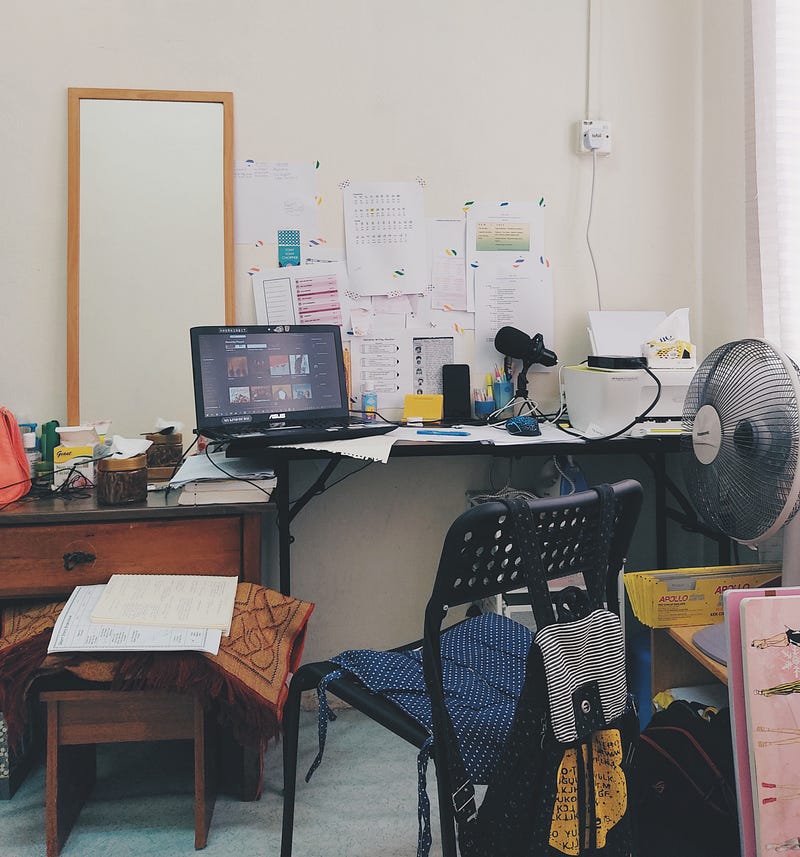
Hi writers,
This is your friendly Editor-In-Chief, Aimée Gramblin of the Age of Empathy publication.
We need to have a talk. It’s not you. It’s me. It’s us. It’s all editors across the platform. Let’s have a heart-to-heart. Please read this with an open mind. We adore you. We want to work with you. There are also a few things we wish all writers knew.
I feel the need to create this public service announcement on behalf of all platform editors.
I’m here to remind you editors are human. Contrary to popular conspiracy theories, editors on this platform are not AI, bots, or paid handsomely — or, for the most part, paid at all.
The majority of publication editors are not paid for the honor of reviewing your work, the job of using our editorial prowess to know when to work with writers and when to bounce a piece back to you rejected from the queue, and the privilege of housing smashing pieces in the publications we own or co-edit.
Own is a misnomer. Anyone can start a publication. It’s mainly a volunteer job. Most editors are volunteers. No money exchange is involved. Notoriety? Maybe. Accolades? Hopefully. Money? Nope. None. Zip. Nada.
There are a select handful of publications with paid editors. Don’t ask me how you can become one. It’s a mystery to me, too.
Following, I answer many questions writers may want answers to. I hope they help you improve your submissions process to be more enjoyable and rewarding.
Why Do Editors Bother Editing When Most Editors Are Not Paid?
We love writing. We tend to be leaders and supporters who want to foster a strong community and showcase writing we admire. We also benefit from networking and writing friendships when we are co-editors or editors-in-chief. By learning to better edit your writing, we learn to improve our own writing.
Did you know the best writers are open to constructive criticism, willing to kill their darlings, and open to change?
Why would you reject any of my writing or ask me to change anything?
When your grammar isn’t up to par, that’s an automatic rejection. We simply don’t have time to work with you on this. Grammarly is a great option for helping you catch common mistakes and typos. Using AI to read back your draft will also help you with grammar.
We will reject submissions that aren’t aligned with the vision of our publication. In other words, don’t submit True Crime to MuddyUm, don’t submit humor to CrimeBeat.
We will reject submissions if they don’t follow the submission guidelines. Those are important. Read them.
We want your work to shine. We want your chances of distribution to improve. We see how your work could be better, so we tell you.
How do you know when writing needs to be improved or when it’s good to go?
Many editors are professional writers, people with English degrees, and all-around smart people. We know when your work is good to go based on our years of writing and reading experience plus a bit of intuition. We use this same knowledge base for letting you know when work needs to be improved.
When will you respond to my submission?
This is usually written in a publication’s guidelines. Age of Empathy responds in 24 to 48 business hours, assuming no emergencies have arisen. The Ascent usually responds within 10 days. Better Marketing generally responds within three business days. No response after that time means your article hasn’t been accepted. See the importance of reading each publication’s guidelines?
As writers, it’s important to become comfortable waiting on submission review. What do you do in the meantime? Write! Write in the meantime.
Why wasn’t it accepted before I submitted my submission?
This is a tongue-in-cheek question. Sometimes we feel that’s what writers are thinking. Some writers seem to think we don’t have jobs, families, hobbies, or any time away from our phones or computers. This is not so. We are real humans with beating hearts, feelings, hunger, and wants, just like you. Please give us a break. We will get to your submission within the timeline written in the guidelines. Thank you.
How do you forge good relationships with editors?
Sometimes we receive a locked note with submissions that directly address and thank the editors for reviewing a writer’s work. This isn’t necessary, but it’s a nice touch. When editors give you feedback, work with us. If you don’t understand or disagree with one of our comments — that’s OK. Ask us to explain what we mean. Explain why you would rather not change something. If it’s a minor thing, we may agree. If you argue with all of our notes — that’s frustrating.
Where are the Medium publications best suited to my writing submissions?
Dear writers, please read. Read off-platform. Read on the platform. Read in a house. Read with a mouse. Read here. Read there. Read everywhere. Reading what you love will help you find the publications where your work will most likely connect. Follow those publications. Read what they publish. Get an idea for their aesthetic. Once you’ve done all of that, you’re ready to submit your writing.
Who are these big-headed editors anyway?
We are people, just like you. You too could be an editor-in-chief. It’s a drop-down setting in the Publications menu. To create your own publication tap New Publication. Know that running a publication takes time and effort. It doesn’t come with writers, readers, or pay. Know your vision before you go live. Have a networking and recruitment strategy for attracting top-notch writers and loyal readers.
Editors I know aren’t any more big-headed than writers I know. The truth is we’re all a little bit on the prima donna, diva side of things. We butt heads sometimes. Mostly, we support each other and help others improve their craft.
Takeaway
To recap, don’t fall in love with all your words. Deleting is an important part of writing. Be ready to kill your darlings. Use Grammarly or other free writing tools. They are helpful and will improve your writing. Hemingway Editor is another great one to use.
Read. Read. Read. Read content by writers you like. Get inspired. Check where they’re publishing. Match your content to an interested audience. Put satire in a humor publication — not a poetry one.
Trust editors. The majority of editors are providing this service for free. You will have to practice some discernment. Editors aren’t always right. If you disagree, you may try submitting elsewhere. However, if you notice a pattern of disagreeing with editors often, it’s time to assess why this is happening. Be truthful with yourself and accept the criticism so you can improve your work.
Submission guidelines are important. Read them. Patience is a virtue. A big publication may have been just about to accept your submission when you pulled it due to impatience. Work on other articles while you’re waiting. Forge good relationships with editors. Communicating kindly through private notes is a good way to do this.
Remember, editors are people too. We are allowed to step away from the computer to eat breakfast, lunch, dinner, and snacks. We are allowed to sleep, use the restroom, and spend time with our families. We are (mostly) not paid in money, but are paid in the honor of reviewing your submissions, working with you, and housing your best work.