
Dealing With Excess Treasure in Dungeons and Dragons
Managing an embarrassment of riches in TTRPGs.

In the early days of Dungeons & Dragons, experience points were partly calculated by the amount of treasure you won.
Unsurprisingly, this caused a lot of treasure bloat in the old days. It was hard to say what was a bigger threat to the world of Greyhawk — mad wizards or runaway inflation.
These days, ridiculous amounts of gold are less of an issue, but D&D can still get pretty generous at times — not just with gold, but with jewels and magical items.
It’s not always the DMs fault. Many commercial adventures are guilty of providing too much treasure, and many players have a certain expectation.
Most tabletop RPGs have this problem. Traveler is the only game I’ve seen that had a realistic approach to money and other assets. Spaceships are expensive to purchase, maintain, and fuel — and it wasn’t unusual to have an adventure hook solely about the party trying to get out of debt.
But in D&D and other RPGs, treasure can still add up quickly. Having too much can make PCs take certain things for granted.
What to do?
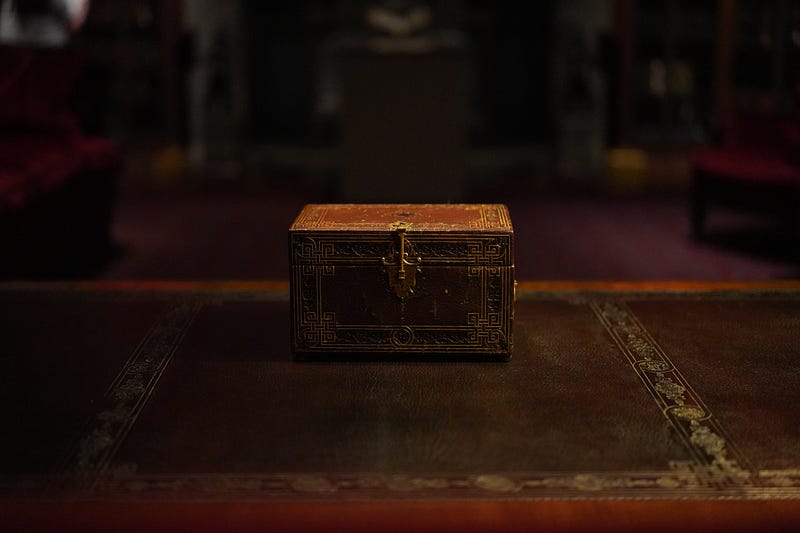
At first, it will seem that I’m advocating for ways to simply take treasure away from your players.
I suppose I am — to a degree.
The idea isn’t to punish your players but to a.) restore some balance to your game’s economy, b.) offer a unique set of challenges to your players.
Read on to see what I mean. And keep reading to the end, where I flip the script a little bit and talk about giving your players more.
Steal It
Whether it’s pickpockets, highwaymen, or a bit of sleep potion mixed in with some ale, there’s always someone all too ready to relieve your adventurers of excess treasure.
Ideally, the players should have a fair chance of avoiding being relieved of their possessions. Whether it’s passive perception, combat, or saving throws, try to keep it fair.
If your players tend to flaunt their wealth, that should make them more attractive targets. If they show off a particularly nice magic item or artifact, that could be up for grabs as well. And you could make the situation a little more interesting by keeping open the possibility of recovering the item.
Confiscate It
Not all thieves are lawless.
It’s not unheard of for governments to confiscate certain high-powered artifacts that could disrupt the king’s peace. Also, characters who have found themselves chucked into prison (they shouldn’t have murder-hoboed those guards), then their possessions will likely be taken from them before getting locked up.
Some prison facilities may safeguard the items while your players are in jail, but in even the best-run prisons, they may find some essential items or bags of coins missing upon their release.
If your players are being released on the condition of completing a mission for a local lord, their treasure could even be held hostage — only to be returned following success.
Lose It
Ever lose something?
Frustrating, isn’t it?
It’s even worse when you’re not sure how and when you lost the item.
Combat can get chaotic. PCs can be knocked prone, thrown off cliffs, caught in an explosion, or thrown across the field of battle.
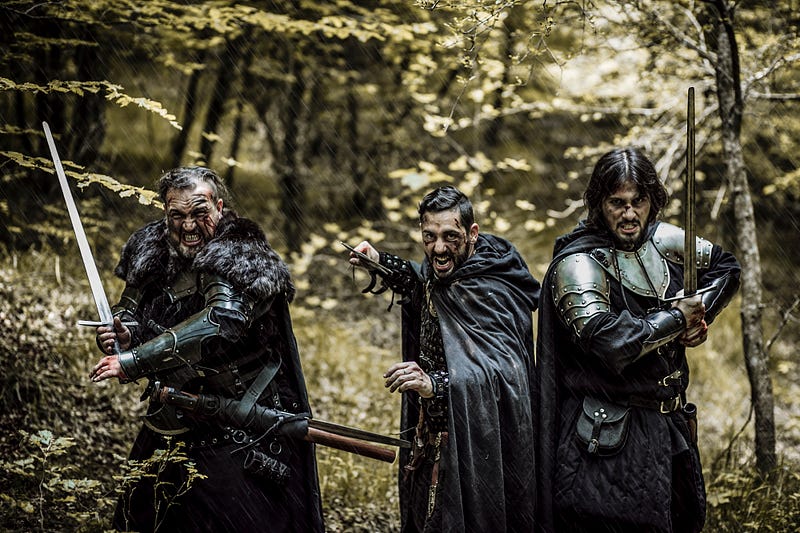
Those are perfect opportunities for someone to lose a wand, some gold, potions, and the like during battle. Or as they fall into a pit trap. Or as they escape from a sinking ship.
And the characters may not realize their loss right away, and the longer it’s been since they realize an item is missing, the less likely the chances of going back to recover it — especially if said item lies on the bottom of the sea.
Give It Away
As a player, this is my favorite way to spend money. Even my rogue players give generously to charities.
Why?
Because my PCs don’t need a lot of money to get along in the world. They’re high enough level when they’ve got enough equipment to take on Tiamat. And giving to charities can up your reputation making it easier to deal with locals from peasants to archbishops when you need information or favors.
As a DM, offer your players plenty of opportunities to donate to worthy causes and think up how this could work to your players’ advantage. Granted, charity is its own reward, but it’s nice to see benefits in-game.
It doesn’t even have to be a formal charity. They could sponsor a town or an event. They could help a business recover after ogres burned their inn to the ground. They could finance the building of a temple.
You could also have PCs fall victim to scam charities and then use that to seed an adventure. There’s nothing like dispensing some justice to give a lot of adventuring parties a sense of purpose.
Poor Investments
Norman the Alchemist is working on a process that will create healing potions at a fraction of their usual price. He just needs some financial backing to make it happen.
Would the party be interested in investing in his research in return for a lifetime supply of healing potions?
You’d be mad not to invest.
If the players decide to invest a thousand gold pieces, what happens next? Does Norman disappear with the funds? Does he get himself killed during his research? Does Norman himself get ripped off by an ingredient supplier?
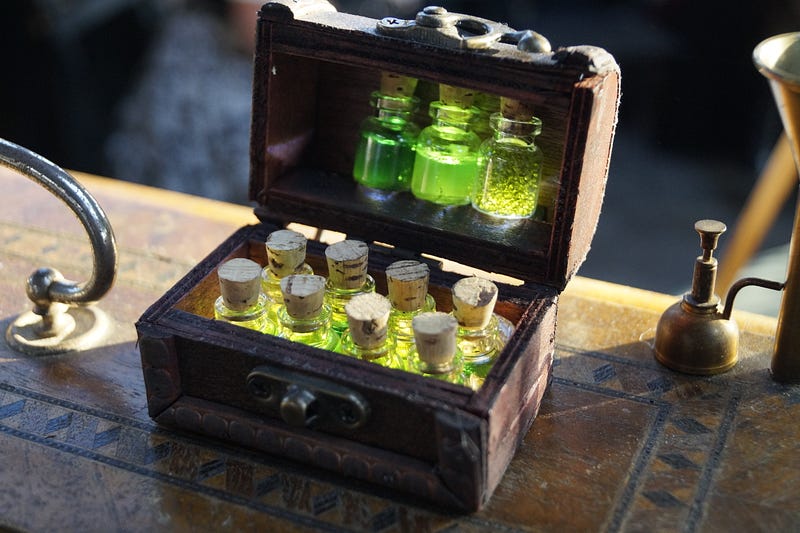
Or maybe he’s successful, but the potion has some nasty side effects.
Either way, it’s something players can do with their money that could have positive or negative results depending on the DM’s whim.
Other investment opportunities could involve real estate, racing dinosaurs, or treasure hunts — their success or failure becoming part of the story.
Alternatively, Make It Grow
Maybe Norman the Alchemist was wildly successful!
The potion works as promised. While the healing potion costs half of what it used to, Norman makes a huge profit due to volume. The players get their cut or, at least, their lifetime supply.
Yes, it doesn’t solve the problem of too much money, but it does offer some opportunities to increase the stakes of too much wealth.
Likewise, allow extensive real estate or gambling wins, and your players may find that they’ve pretty much tied themselves down by being too rich. The local economy now depends on them more for their financial contributions to society than their dragon-slaying skills.
Your players may now own castles and whole towns. Even with hired help, managing all of this can take up time.
It’s a TPK of another sort.
Player beware. More treasure, more problems.
Become Property Owners
At certain levels, a player character’s wealth might become so massive that they may as well go ahead and purchase a keep or castle. They’re way beyond needing the local tavern as a home base.
PCs could purchase farmlands as an investment, precious metal mines, or even whole towns.
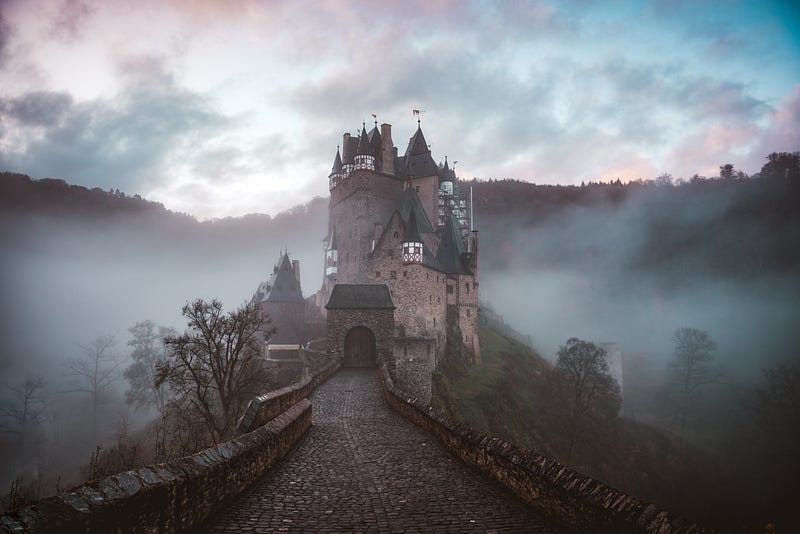
It doesn’t have to mean the PC has entered retirement. As the DM, you can decide how much it costs to maintain a property, how much money the PC brings from taxes or investments, and how involved the PC really needs to be for day-to-day operations.
They can be Lords of the Manor and adventurers.
What’s nice about this is that you and your players can roleplay this kind of land ownership and assets management out-of-session via group texts in between playing sessions.
Managing An Economy
Being a DM is challenging enough without throwing economic factors into everything else you have to keep track of.
That said if you find an excess of wealth is making your PCs too comfortable or taking away some of the challenges that make the game fun, try some of these suggestions.
Shake things up for your players and their deep pockets.
Have fun with it. Your players may balk at first, but in time they’ll grow to appreciate the challenges so long as you keep things balanced.
Cheers!
About John Teehan
John lives in Rhode Island with his wife, son, and dog. He specializes in tech, health, business, parenting, pop culture, and gaming. Visit wordsbyjohn.net for more info and rates. Twitter: @WordsByJohn2


