Dead at 21 — remembering the final days of rock’n’roll’s brightest star
From #theBeatles to #theWho — the UK’s first rock’n’roll package tour of spring 1960 virtually defined everything that followed.
Sadly #EddieCochran, its star, was dead four months into the decade but his influence became the inspiration for the #FabFour and so much that followed in #swingingsixties.
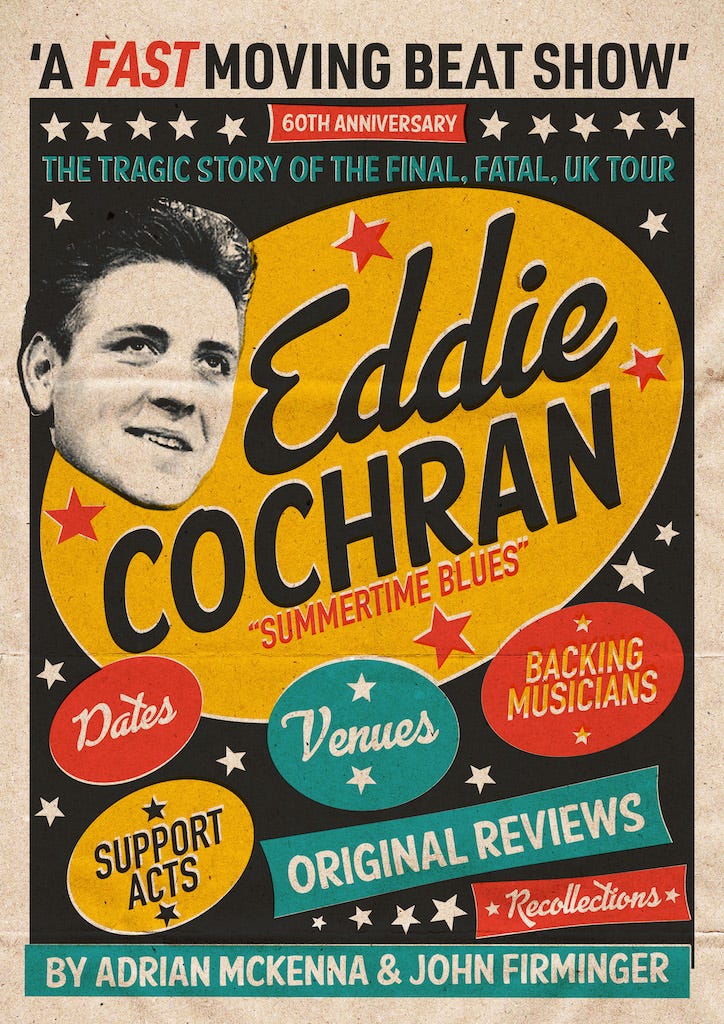
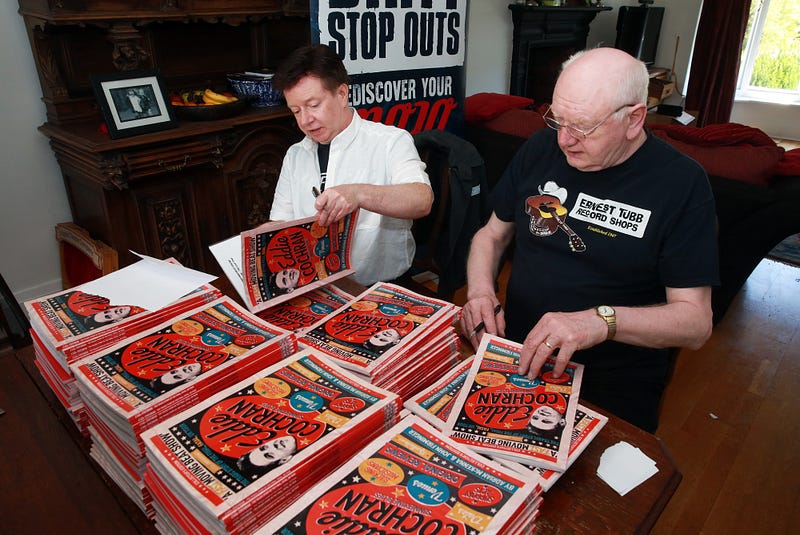
The decade-defining tour is chronicled like never before in our new ‘Eddie Cochran: A Fast Moving Beat Show — the Tragic Story of the Final, Fatal, UK Tour’. Co-author Adrian McKenna explains:
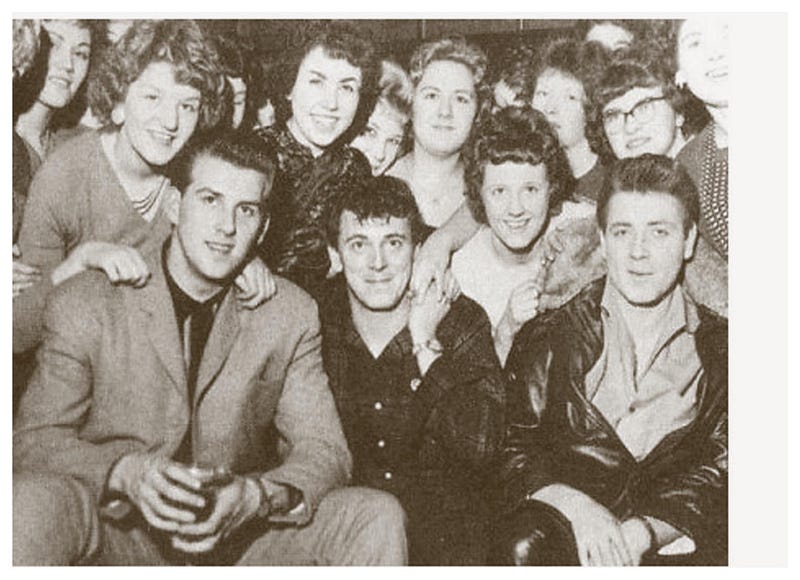
When Eddie Cochran flew into the UK in January of 1960, he embarked on a punishing schedule of live shows with fellow American Gene Vincent and the best of British rock ‘n roll talent. It was the country’s first all-rock ’n’ roll tour, the brainchild of Britain’s original pop impresario, Larry Parnes. By April of that year he would be dead at just twenty-one years of age. The story should end there, with the untimely passing of a promising talent in a road traffic accident. Yet Eddie Cochran’s story didn’t end on that quiet urban road in Wiltshire, instead his pervasive influence permeated the decade that followed and continues to inspire musicians of all generations.
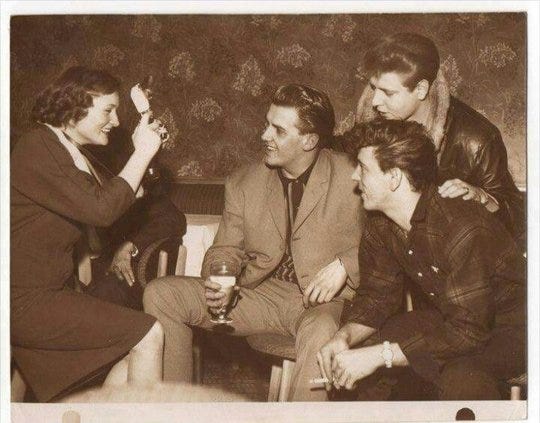
It would have been easy for Eddie to arrive in the country, trot out some hits, take the money and run. However, here was a sophisticated and progressive artist, who grasped the opportunity to cement his success while sowing the seeds of the music that was to come, his focus pointing ever forwards. He didn’t live long enough to see this vision come to pass, but we can see his profound influence in the British acts that followed in his wake, acts that would take the true spirit of rock music back to America in the years that followed.
The Beatles are lurking in the shadows throughout the tour, attending the shows at the Liverpool Empire in March. They would soon be sporting black leather outfits, inspired be the clothes worn by Cochran and Vincent and would provide them with the signature Hamburg/Cavern look they would don as stage-wear until Brian Epstein updated their image with collarless suits. They briefly backed Johnny Gentle (who performed on Eddie’s final gig) on a 1961 tour, the Liverpudlian Larry Parnes stable member who helping to arrange their famous failed audition for Decca Records. That’s right, Larry Parnes turned down The Beatles. Eddie Cochran music was a catalyst in bringing Paul McCartney and John Lennon together- when they first met in 1957, Paul showed John the chords for Cochran’s ‘Twenty Flight Rock’, instantly forging their collaborative relationship. Blending Eddie’s Cochran’s confident swagger and economy with Buddy Holly’s streamlined writing style and the Everly Brothers harmony vocals, they created the sound that would define the decade.
Eddie Cochran brought Ray Charles’ music to Britain, playing ‘Hallelujah I Love Her So’ and ‘What’d I Say’ to packed crowds. ‘What’d I Say’ was frequently his show opener and the distinctive riff which he translated from electric piano to guitar is practically the blueprint for the Merseybeat sound- playing Cochran’s version of ‘What’d I Say’ next to The Beatles’ Cavern rendition of ‘Some Other Guy’ is a unique experience in sonic prescience. The soul music experimentation in his late 1959 recordings foreshadowed the explosion of the style in the following decade.
The British Blues Boom of the sixties can also be partially attributed to Eddie Cochran’s influence. He played the old standard ‘Milk Cow Blues’ to scintillating effect on tour. Elvis Presley had previously recorded the tune, but in a much brisker form. Eddie played it the old way. Eddie played the blues. Many of the aspiring players of the day, including Jimmy Page and Jeff Beck, busy poring over old blues recordings, were made instantly aware that audiences would scream for this style of music.
The Who’s 1965 hit ‘My Generation’ is a classic example of a Cochran song, one step removed. The stuttering vocal, insistently punctuated by a driving, rhythmic riff is a carbon-copy of the ‘Summertime Blues’ blueprint, a song the group played many times in a live setting, notably on the ‘Live At Leeds’ album.
Guitar player, Big Jim Sullivan, backed Eddie Cochran throughout the tour. He was highly influenced by being in close proximity to a very accomplished guitar player. Put simply, the propinquity to Cochran revolutionised his guitar playing. He would become perhaps the most successful session guitarist in Britain, playing on countless hits for the likes of Dusty Springfield, Tom Jones and many others. He gave guitar lessons to Jimmy Page, who also worked with him on many of these sessions, before himself going on to join Blues-boom combo The Yardbirds and then forming Led Zeppelin. On early Led Zeppelin shows and through 1970, the group would frequently perform (and record on BBC sessions) Cochran songs like ‘Somethin’ Else’ and ‘C’mon Everybody’.
There are many more examples through the years of artists who adopted and adapted his example- in his work ethic, his lack of ego, his astonishing guitar playing, his adaptability and open ears for technological developments, his effortless fusing of multiple musical styles into his own signature sound, his ability to make a record on his own with overdubbed voices and instruments and in his sense of humour which shone through everything he did. This is the enduring legacy of Eddie Cochran and the 1960 UK tour.
1960 Tour dates, venues/ current status:
Jan 24th Ipswich Gaumont - venue still in use.
Jan 28th Coventry Gaumont - venue still standing, now an annex of Coventry University.
Jan 29th Worcester Gaumont - venue still standing, restoration planned- https://www.worcesternews.co.uk/news/18679249.major-revamp-plan-transform-old-gaumont-cinema/
Jan 30th Bradford Gaumont - venue still standing, restoration planned- https://www.yorkshirepost.co.uk/business/plans-submitted-bradford-odeon-transformation-195256
Jan 31st Southampton Guildhall - venue still in use
Feb 1st-6th Glasgow Empire - venue demolished
Feb 7th Sheffield Gaumont - venue demolished
Feb 13th Woolwich Granada - Venue still standing, now a church
Feb 14th Taunton Gaumont- Venue still standing, currently used as a bingo hall. Council recently purchased- https://www.applefm.co.uk/2020/01/15/tauntons-iconic-former-gaumont-palace-theatre-building-purchased-by-council/
Feb 18th Leicester De Montford Hall- Venue still in use.
Feb 20th Dundee Caird Hall - Venue still in use.
Feb 21st Wembley Empire Pool - Venue still in use.
Feb 24th Stockton-On-Tees Globe - Restoration completed https://www.bbc.co.uk/news/uk-england-tees-57191239
Feb 26th Cardiff Gaumont - Venue demolished
Feb 29th-March 5th Leeds Empire - Venue demolished
March 7th-12th Birmingham Hippodrome - Venue still in use
March 14th-19th Liverpool Empire - Venue still in use
March 21st-26th Newcastle Empire - Venue demolished https://www.chroniclelive.co.uk/news/history/vanished-newcastle-theatre-what-stands-19669126
March 28th-April 2nd Manchester Hippodrome- Venue demolished
April 4th-9th London, Finsbury Park Empire - venue demolished
April 10th-16th Bristol Hippodrome - venue still in use.
- You can check out ‘Eddie Cochran: A Fast Moving Beat Show — the Tragic Story of the Final, Fatal, UK Tour’ here.