
Another Jesus Was Found in Egypt
The story of the “Gnostic” books found at Nag Hammadi
In early Christianity, a godless group of sex freaks had orgies all the time, and replaced the Bible with evil fictions. The church fathers put a stop to that.
Back in 1949, these would have been the thoughts of a Christian reading a report of a discovery of manuscripts. In Egypt, as The Guardian noted, “the scriptures of the Gnostic sect” had come to light.
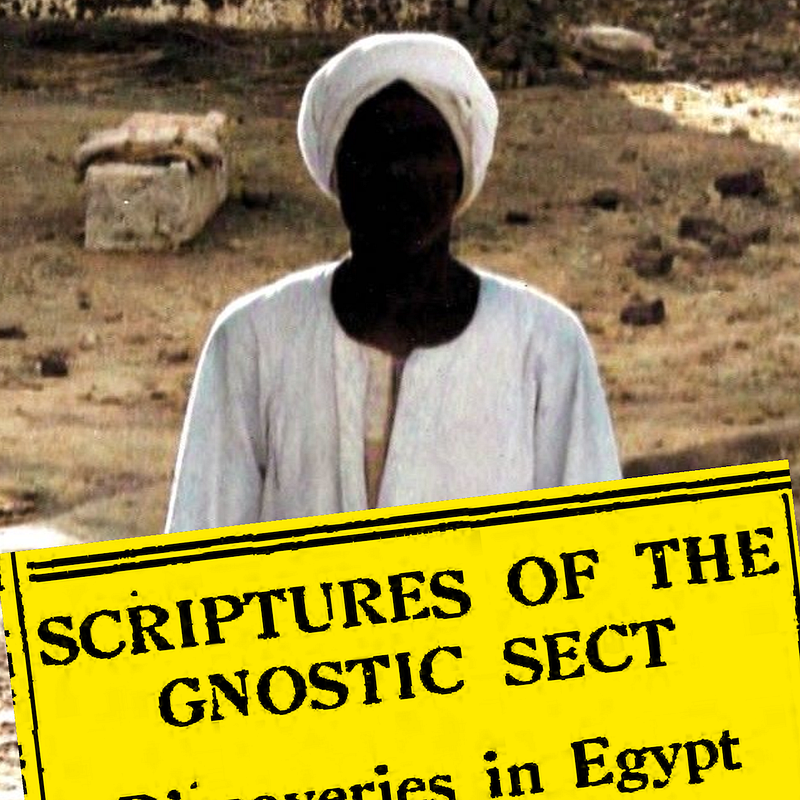
There were occasional updates.
In 1956, a report mentions a few details about the discovery. About a thousand pages of text had been found, and these included “twenty pages of sayings of Jesus Christ as recorded by St. Thomas the Apostle.”
Don’t think that a “new” manuscript with sayings by Jesus would interest the Christian world. It didn’t. This was considered a matter for scholars, if even they cared.
And so scholars were left trying to figure out where the texts had come from, what they meant—and how to sell them.
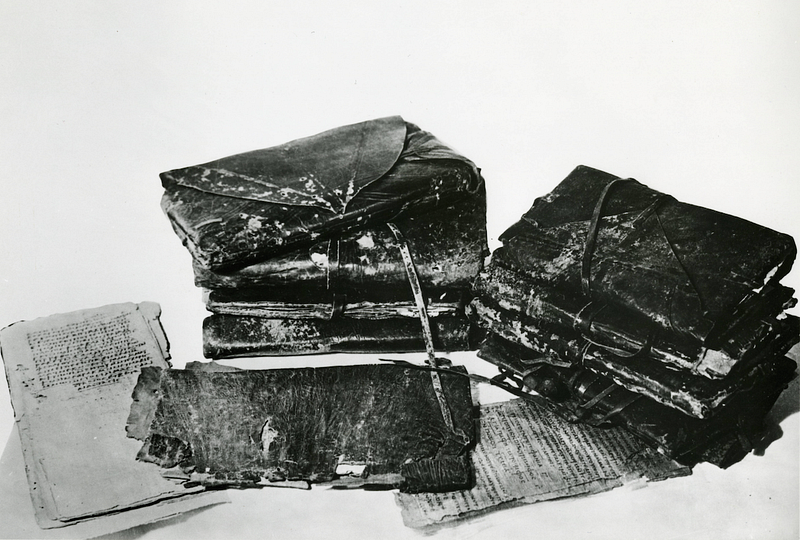
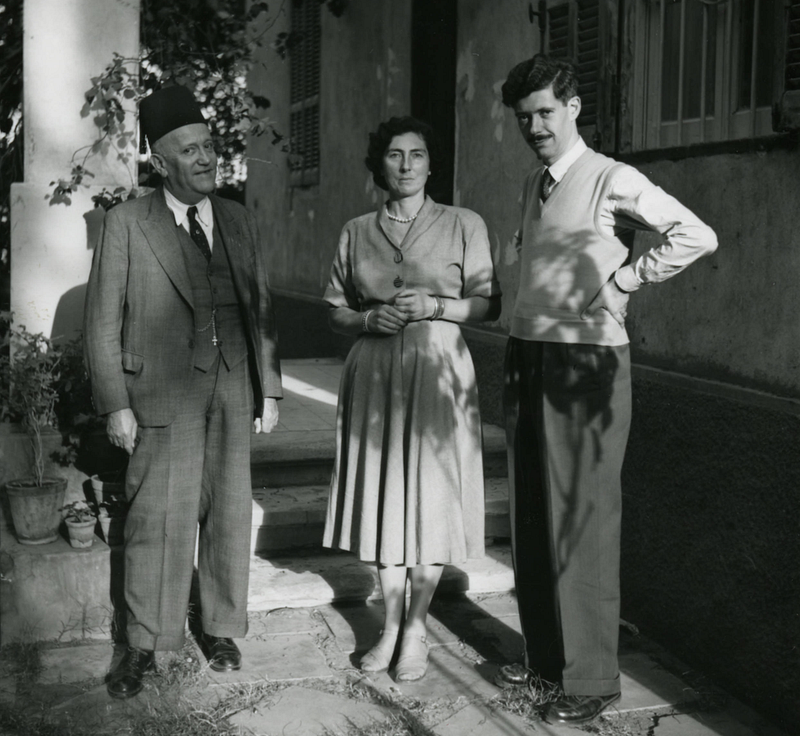
The books just appeared among Cairo antiquities dealers.
Two French scholars had noticed the find. One of them, a graduate student named Jean Doresse, set out to investigate.
Egyptian dealers weren’t eager to discuss the matter. Often, valuables of this type had been taken from tombs. The sale had been illegal, for any antiquity belonged to the state.
Doresse was told that peasants who found the books had burned some to heat water for tea! That was shocking. But then his colleague, Henri-Charles Puech, informed him:
“This is an old story that never fails to be spread in Egypt on the occasion of finds of this kind.”
Doresse was given the names of a few villages where the books might have been found.
He went to visit Nag Hammadi, south of Cairo, and told the Arab villagers there that he was interested in tombs — so they wouldn’t make up stories, and expect pay.
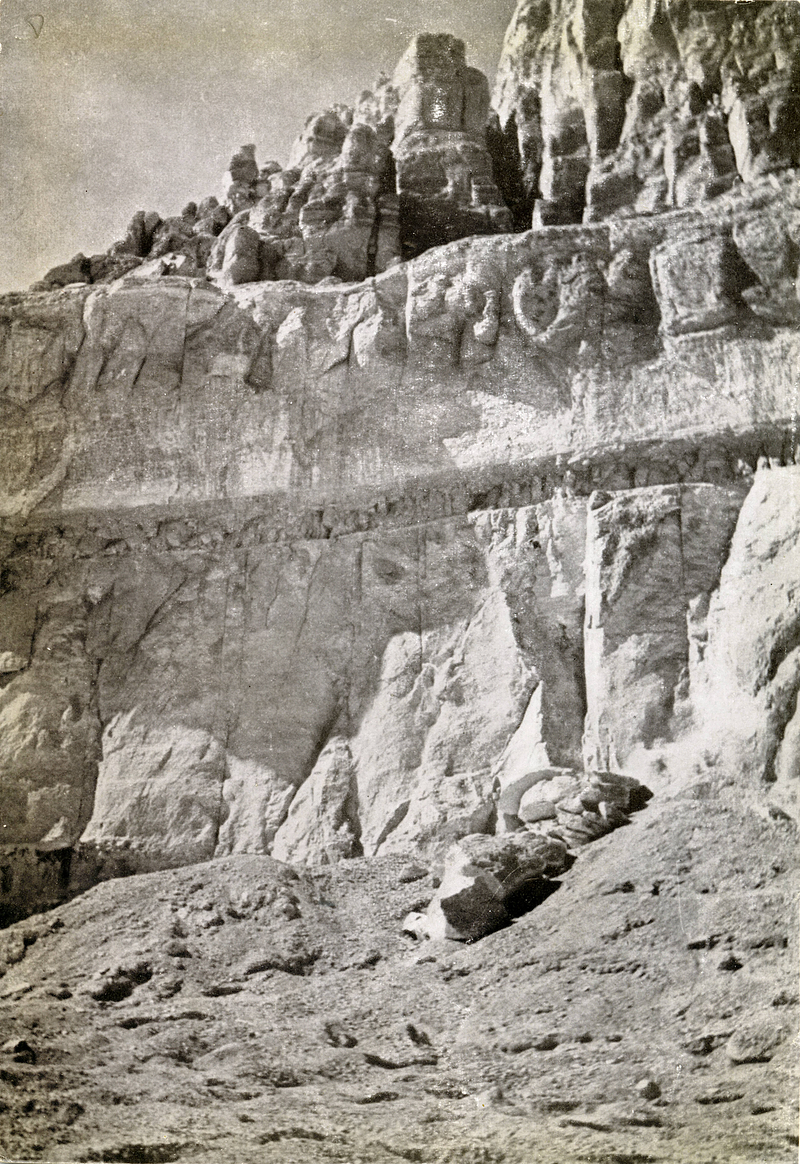
He was led to tombs that are burrowed into a high rock cliff, and peered into the “shapeless cavities,” where he muses: “Was it in one of these tombs that the papyri were found?”
Or that’s how it goes in a French edition of Doresse’s book, published in 1958. In an English version, in 1960, a new scene appears just after.
Doresse happened to overhear the villagers chatting about a discovery of books years before. Men had been digging for fertilizer in a cemetery, and happened upon a clay jar — with books!
In the new scene, Doresse asked them where this cemetery was, and they pointed to a general area. He excavated, but could only find “broken bones, fragments of cloth without interest and some potsherds.”
Curiously, the French and English versions of Doresse’s book have different photos of the ‘place of discovery’. He’d later offer a third photo.
To look over the three photos, were they even taken at same place?
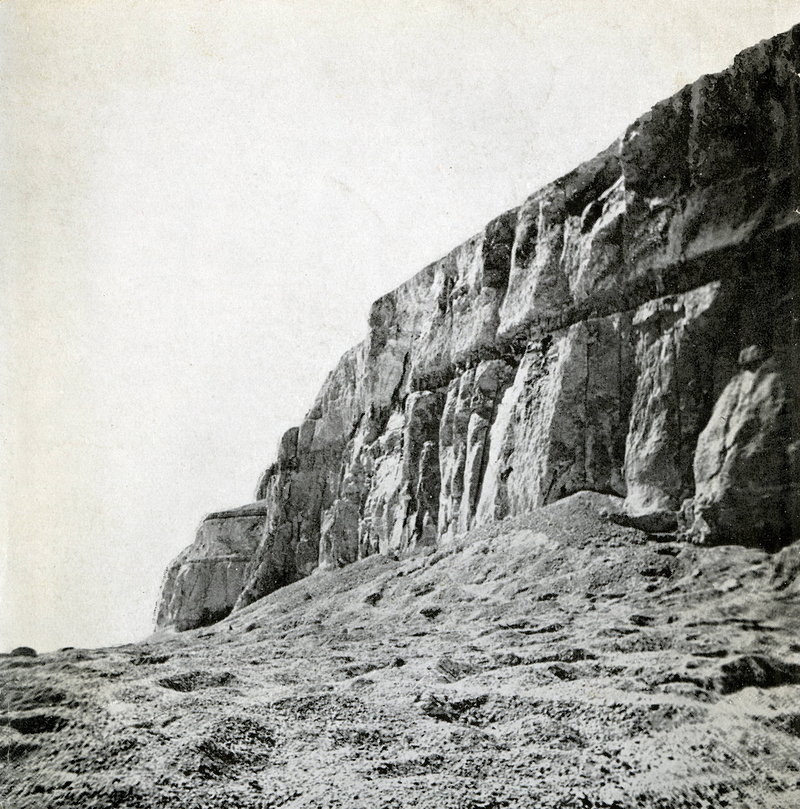
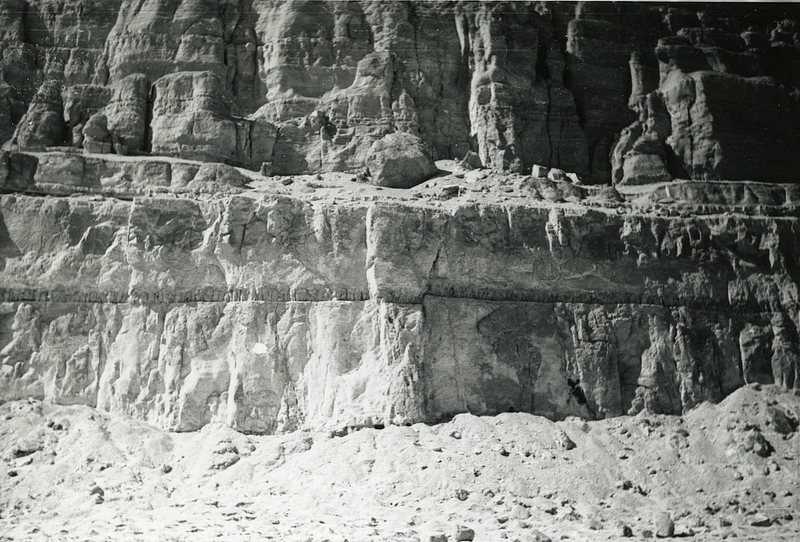
Other scholars visited the village.
None heard the jar story. Nonetheless, a public history formed.
In that history, a library was found by Egyptian peasants near Nag Hammadi. In search of fertilizer, they’d dug near a cliff, found a cemetery and a jar, with books in it.
They’d burned a few to heat up their tea.
Over in Israel, the Dead Sea Scrolls had been found, and the story of a shepherd finding a cave with ancient scrolls had charmed the world. Doresse was conscious of the comparison. Though the Scrolls are “much-admired,” he writes, he prefers to “extol this discovery.”
Surely the Christian world would be fascinated?
The Nag Hammadi library, after all, had ‘new’ sayings by Jesus.
But the ‘gospel of Thomas’, as it was being called, had the messiah speaking in enigmatic utterances, riddles or “hidden words”— with a promise that whoever solves them would gain eternal life.
It wouldn’t be easy. A sample of Jesus’ speech in the text:
“Whoever has ears to hear let him hear. Within a man of light there is light and he lights the whole world. When he does not shine, there is darkness.”
An English translation appeared in 1959, and Christians ignored it
Scholars were interested. The Gospel of Thomas, as they’d recall, was known to early Christians — cited by Origen as an accurate record of Jesus. It had actually been preserved in a previously unidentified Greek copy—in full view, and unseen.
More Gnostic texts came to public view at almost the same time in what seemed an amazing appearance of another Christianity, another Jesus.
Christianity was still indifferent—but artists became interested.
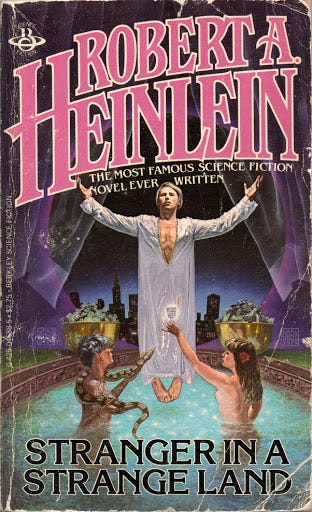

Another “Jesus” began to appear on the cultural horizon.
But this wasn’t the rule-obsessed, punishing figure of Christianity. This was a freaky, colorful figure — often inflected with bisexuality or homosexuality, and not necessarily from planet Earth.
In 1961, the science fiction writer Robert Heinlein published a novel whose original title, he’d say, was The Heretic. In Stranger in a Strange Land, a Jesus-like teacher from Mars has a new, sexed-up message for the human race.
As scholars would note, Stranger in a Strange Land is full of references to the Gospel of Thomas. The name of the novel’s Martian messiah, ‘Valentine Michael Smith’, recalls the key Gnostic teacher, ‘Valentinus’.
A singer from Britain was fascinated by Heinlein’s novel and talked up efforts to make a movie of it, in which he, naturally, would star. Instead, David Bowie wrote a rock album about a ‘leper messiah’: The Rise and Fall of Ziggy Stardust and the Spiders from Mars.
How much had Christianity known about the “Gnostics”?
With the Gnostic library to study, it was apparent the ‘church fathers’ had often been lying about them.
In a 1971 paper, “The Nag Hammadi Library and the Heresiologists,” Frederik Wisse notes the books don’t seem to call for orgies. If anything, he thinks, there was “an ascetic morality.”
And the Gnostics — a word is just the Greek word for ‘knowledge’ — hadn’t disbelieved the Bible. They read it differently. For them, the narratives seem more like a veneer over a complex world of spirits.
To ‘know’ was to learn to see past the surface, where we find the ‘truth’.
As Wisse explains: “For those who are able to look beyond appearances, the truth is visible everywhere.”
The Gnostic texts disagree, and encourage disagreement! As Wisse notes, “several opinions on an issue are given for the benefit of the reader.”
Some two millennia later, the campaign against the Gnostics began to look a bit ugly. Christianity had been a bully. As Wisse put it:
“In the final stage Christian orthodoxy had become so well established and possessed so much political muscle that it could put the Gnostic groups in various areas on the offensive and isolate them.”
James M. Robinson, an American scholar, arrived on the scene.
He had worked on the Dead Sea Scrolls. His long attachment to the Gnostic texts was a bit puzzling. He spoke in interviews of trying to recover from an Evangelical upbringing. In 2006, he explains:
“I grew up in a very traditional Christian home, and of course believed what I was told.”
As a Bible scholar, he adds, he’s realized the Bible is different than what Christianity said, and he’s learned just to have “Jesus’ own trust in God.”
He set about locating the Nag Hammadi library. The texts had by then drifted into a range of owners, firmly in private hands, and inaccessible to the public. Robinson had the idea to gather them up and re-present the discovery to the Christian world.
It seemed a forbidding process, since the manuscripts were being held privately by multiple parties. But claiming just to want to look them over, he asked to borrow photographs.
He made a set of copies, and circulated them widely.
The manuscripts were ‘liberated’.
It gave him “pangs of conscience,” he’d say.
But in this case, he added, “the end justified the means.”
Scholars were out pitching the new texts to the public. James Brashler, a colleague of Robinson’s who was working with him, explains to the Los Angeles Times in 1975:
“The Gnostic understanding of Jesus was that He was essentially a light spirit walking on earth in a body, but the body was a kind of necessary disguise pulled on in order to preach to mankind and save it from the earthly morass.”
For a blockbuster new presentation of the Gnostic library, Robinson wanted to include a more detailed account of how the books had been found. In 1975, he went to Nag Hammadi and located the original finder — to be revealed as Muḥammad ‘Alī.
For Doresse, the dating of the discovery had wavered oddly, between 1945 and 1947. But Robinson fixed a date: November 1945.
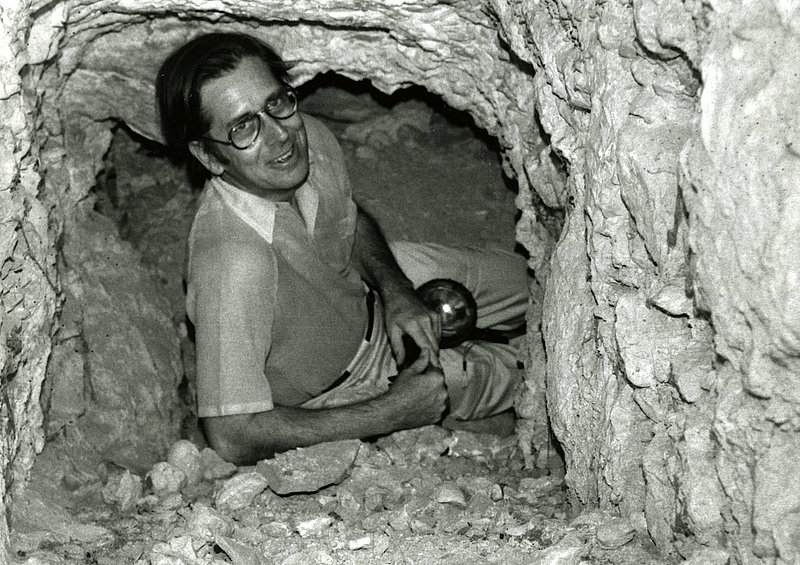
I flip through the photos Robinson left. There’s many eerie shots of isolated men, their faces in shadow.
This is how he’d photographed Muḥammad ‘Alī.
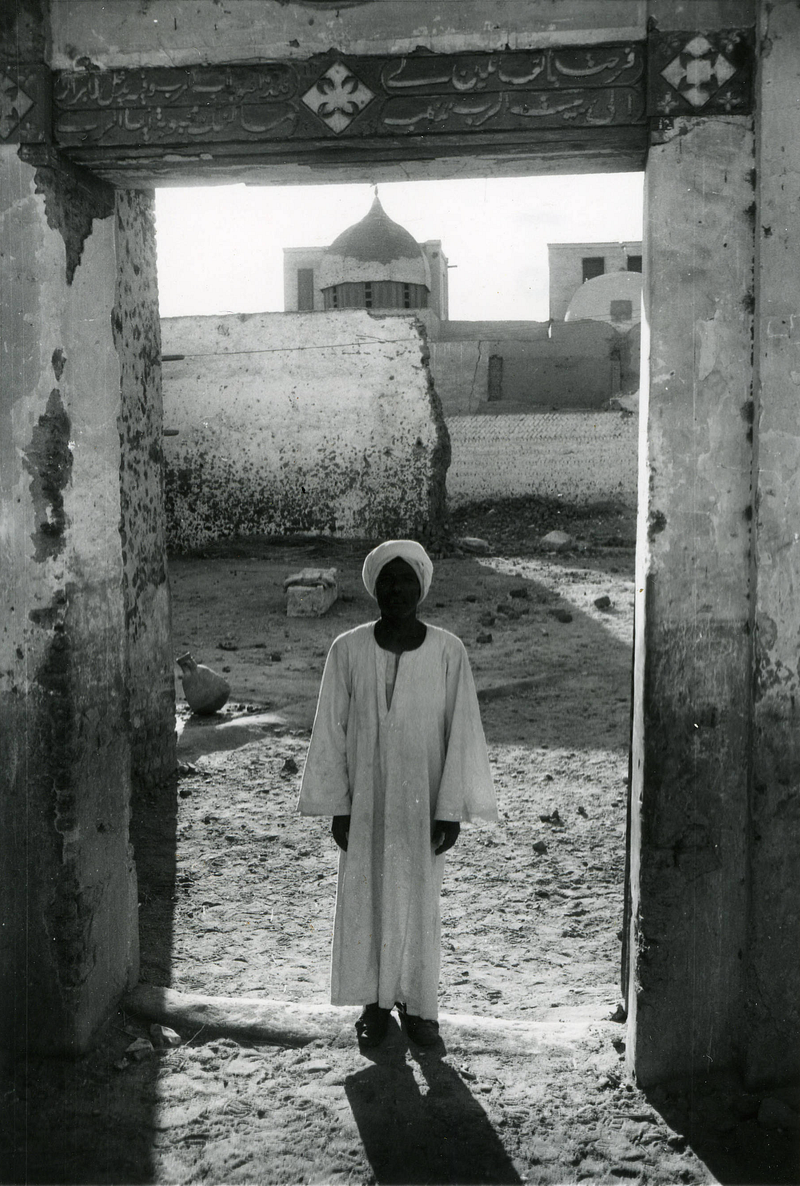
Robinson’s 1977 book was a bestseller.
The Nag Hammadi Library appeared like a long-lost, suppressed Christianity. A popular 1979 overview, The Gnostic Gospels by Elaine Pagels, was even more successful.
She summarized the discovery story that Robinson had presented. Muḥammad ‘Alī had been recovering from a blood feud, having avenged his father’s murder in a gruesome scene. Then he saddled his camel and went to dig for fertilizer — and found a red jar.
Should he break it? Muhammad feared a jinn spirit might lurk inside. But the prospect of gold was overwhelming, so he smashed it — to find just books. What a disappointment.
He took them home and dumped them next to the oven, and his mother burned some while cooking.
Robinson kept offering the Nag Hammadi texts as a deep critique of Christianity.
He seems nearly a preacher at times—preaching against American Evangelicals, then in their ‘Moral Majority’ phase. He says in 1984:
“Jesus was immoral by the standards of the morality of his day. We would be ashamed to have him in our homes unless he had a name tag that said ‘Jesus Christ’.”
In 2013, however, scholars began to question Robinson’s account of where the manuscripts were found. There were many problems.
Was Robinson to be trusted? Nicola Denzey Lewis noted that his colleagues told her they’d assumed he “had largely fabricated the find story.”
Everything ‘known’ about the discovery began to seem invented.
Robinson died in 2016 without addressing the questions. 🔶