
Days 4 & 5 of My 99-Day Pericarditis Recovery Plan
Let’s talk about anti-inflammatory foods and strength training before cardio
Okay, first the disclaimers. I am not a healthcare provider of any sort, nutritionist, physical therapist, or physical trainer. I am simply a chronic pericarditis patient on the cusp of what I hope is my second remission.
If you started here, you should definitely read the introduction first. It explains in detail where I was in my recovery when I began my 99-day journey. You can read that here.
Day 4
As I said on Day 3, I overdid things a bit by doing several hours of housekeeping. It was one thing that the isolation of the pandemic had afforded me: the ability to feel okay about letting things like dusting or maintaining the guest cottage. Nobody was coming for a visit, right?
Now that my family is mostly vaxed, I am faced with being an occasional hostess again at our lake house. I have a couple of exceptions in my fam who are severely allergic and have been advised to not get the vaccines. The rest of us feel like we are protecting those individuals by being vaccinated and behaving in a safe manner.
I’m also fighting the effects of the heat. As most of the long-haulers on the Pericarditis Facebook page will tell you, heat is a definite trigger. For me, it doesn’t take much. I can stay indoors 90% of the time, but that 10% spent outside going to and from the car or stepping out to pet my cat can sometimes set me back and increase the level of inflammation in my body.
Almost all of my absolute worst flares have been either in the summer in Texas or traveling to warm climates.
Because I am convinced that I have at least a little control over the inflammation using anti-inflammatory foods, I wanted to share what I’ve been eating.
Breakfast:
Poached egg (Organic, high Omega-3), on sausage and potato cake
Whole wheat toast with Smart Balance Omega-3 Spread
Organic milk, high Omega-3
Kiwi
Lunch:
Chicken taquitos
Guacamole
Raw baby carrots
Smoothie with mango, strawberries, banana, and ground flax seed
Dinner:
Wheaties with organic milk and banana
For snacks, I keep a mix of Wheaties, dark chocolate, walnuts, and sunflower seeds in a sealed container handy.
Because I am still having a bit of chest pain from Day 3, I stayed as still as I could most of the day. I did my deep breathing at bedtime.
Day 5
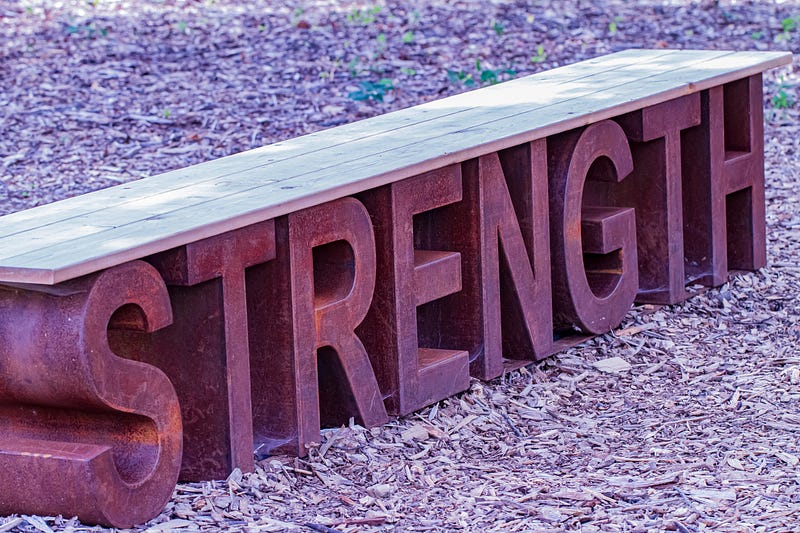
I have realized that while severe illness with shortness of breath and weakness demands complete rest, mild flares with only a bit of chest pain and some manageable fatigue mean I can usually still do some very slow strengthening exercises, most while seated.
Early in the day, I did a short slow walk to my dad’s apartment — about a half block and back. The rest of my exercise, I did at the end of the day. That way I know what my limits are. I found that pushing myself in the morning is a surefire method of doing too much and having to drag myself through the rest of the day.
I often just get out my hand weights, ankle weights, and rubber hose, park myself in a recliner, and set a timer for 30 minutes. Here’s a list of the kinds of things I do:
Weighted leg lifts, from the knee and from the hip
Curls and overhead lifts with hand weights
Bow and arrow stretch with rubber tubing
Rowing-type pulls with rubber tubing looped over the bottom of feet
Following my 30 minutes of seated strengthening, I do a super-slow hospital-style walk indoors with the ankle weights on for five minutes. I know you know this slow walk. You’ve either been in the hospital and done the walk yourself, or you’ve seen someone else perform it. Just pretend you recently had surgery of some sort and you’ll get the hang of it.
All of the above is done while carefully monitoring my heartrate — keeping it in the ’90s. If at any time it starts to jump beyond 105, I stop all activity for a couple of hours. I have found it’s the only way to get control of it again.
Takeaways
As I’ve said before, none of this level of activity is possible until the majority of my symptoms are under control. I feel safe doing the strengthening with only minor chest pain and fatigue. I would advise talking to your doctor before you start any of the things I am doing for my 99 days.
Why am I more concerned about strength training before allowing my HR to rise over 100? The rest we must do to allow our pericardium time to recuperate leads to deconditioning — starting with the muscles. The loss of muscle strength has a direct correlation to high heart rates. Here’s a good article about the effects of muscle strength and the lack thereof.