avatarAdam

Free AI web copilot to create summaries, insights and extended knowledge, download it at here

1628

Abstract

deposit funds to start trading. Before doing this though you will practice on a demo account for at <b>least 3 months.</b></p><p id="6010">To begin with, consider a regulated broker in your country of origin (if you have one)</p><h1 id="3005">Step 3: Choose Your Trading Strategy</h1><figure id="69f6"><img src="https://cdn-images-1.readmedium.com/v2/resize:fit:800/1*fK7rxKdTm5mXdWjuQSAmfQ.jpeg"><figcaption>Image from Envato Elements</figcaption></figure><p id="16fe">There are a variety of trading strategies that day traders use, including scalping, trend following, and contrarian trading. It’s important to choose a strategy that aligns with your personal goals and risk tolerance.</p><p id="561f">There are hundreds of strategies, a lot of them are profitable. If you stick to them.</p><h1 id="c36b">Step 4: Practice with a Demo Account</h1><figure id="8e5e"><img src="https://cdn-images-1.readmedium.com/v2/resize:fit:800/1*kEspGNBQKf4t2VCJC_T4zg.jpeg"><figcaption>Image from Envato Elements</figcaption></figure><p id="174a">Before you start trading with real money, it’s a good idea to practice with a demo account. This will allow you to get a feel for the markets and test out your trading strategy without risking any of your own funds.</p><p id="d22f">Do not be tempted to rush in after a few winning trades on your demo account.</p><h1 id="24d2">Step 5: Develop Your Trading Plan</h1><p id="91fa">Once you’ve chosen your trading strategy, it’s important to develop a detailed trading plan. This should include your entry and exit points, stop-loss orders, and any other rules you’ll follow when trading.</p><p id=

Options

"bb0c">Without a strategy and a plan, you are throwing your money away. You will blow your account in 3 weeks and probably walk away from day trading.</p><p id="d27e">Stick to a plan. Always trade based on your strategy and your trading plan. No exceptions.</p><h1 id="c18a">Step 6: Start Trading with Small Positions</h1><p id="4406">When you’re ready to start trading with real money, it’s important to start with small positions. This will allow you to minimize your risk while you’re still learning the ropes.</p><p id="ccba">I had $500 in my account and my first live trade I bought 1 Lot. For my account size, this is huge. It was a mistake but at that time I thought it was ok because I won.</p><p id="1b21">I subsequently started trading with 0.1 Lots, not properly calculating my risk, position size and profit targets. I soon learned the hard way.</p><h1 id="541d">Step 7: Monitor Your Trades and Adjust Your Strategy</h1><figure id="35f6"><img src="https://cdn-images-1.readmedium.com/v2/resize:fit:800/1*GCA2vJZBiFQZUU3OtyMtog.jpeg"><figcaption>Image from Envato Elements</figcaption></figure><p id="375c">As you start trading, it’s important to monitor your trades carefully and adjust your strategy as needed. This will help you refine your approach and improve your results over time.</p><p id="8cfa">If you’re not journaling your trades then you are not learning.</p><p id="9bdd">It is vital that you can look back and see your wins but more importantly your losses.</p><p id="cf28">It’s the only way you’ll learn.</p><p id="52ed">Thank you for reading, I wish you luck with your day trading.</p></article></body>

Day Trading For Beginners: Getting Started

Follow 7 simple steps and get started on your day trading journey, now.
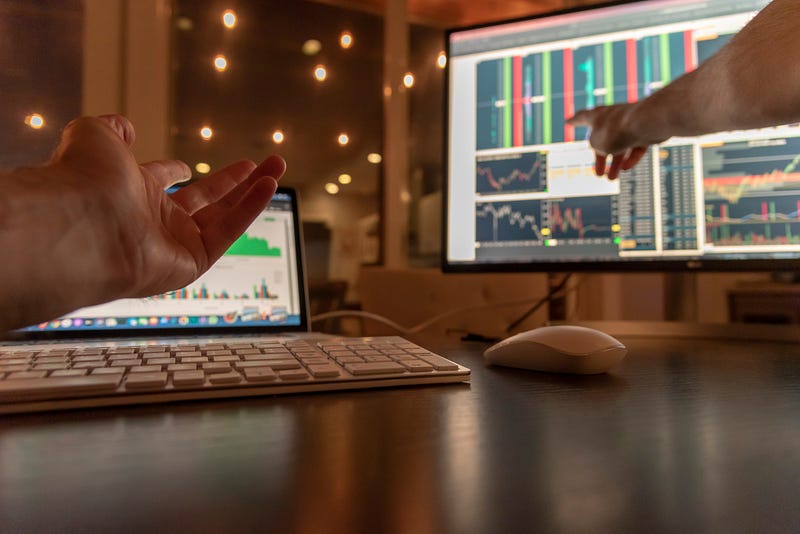
Image from Envato Elements

If you’re new to day trading, it can be overwhelming to know where to start. I'll cover the basics of getting started with day trading, including the steps you need to take to get set up and start trading.

Step 1: Educate Yourself on Day Trading

Image from Envato Elements

Before you dive into day trading, it’s important to educate yourself on the basics. This includes understanding the different types of markets, trading strategies, and risk management techniques. There are plenty of resources available online, including books, blogs, and online courses that can help you get started.

Don’t pay for anything at this stage.

Youtube is free and so is google. Follow 1–3 channels and 1–3 people online and consume everything they have put out their.

Step 2: Set Up Your Trading Account

To start day trading, you’ll need to open a trading account with a broker. Make sure to do your research and choose a reputable broker that offers competitive fees and a user-friendly platform. Once you’ve set up your account, you’ll need to deposit funds to start trading. Before doing this though you will practice on a demo account for at least 3 months.

To begin with, consider a regulated broker in your country of origin (if you have one)

Step 3: Choose Your Trading Strategy
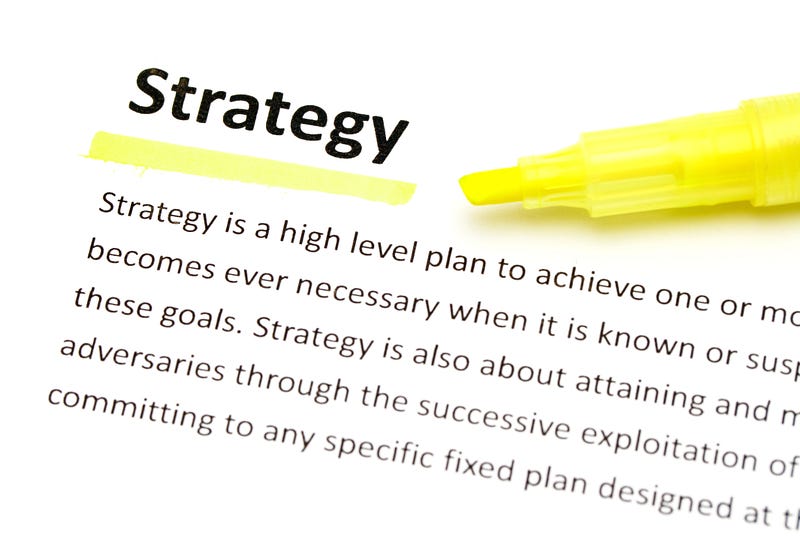
Image from Envato Elements

There are a variety of trading strategies that day traders use, including scalping, trend following, and contrarian trading. It’s important to choose a strategy that aligns with your personal goals and risk tolerance.

There are hundreds of strategies, a lot of them are profitable. If you stick to them.

Step 4: Practice with a Demo Account

Image from Envato Elements

Before you start trading with real money, it’s a good idea to practice with a demo account. This will allow you to get a feel for the markets and test out your trading strategy without risking any of your own funds.

Do not be tempted to rush in after a few winning trades on your demo account.

Step 5: Develop Your Trading Plan

Once you’ve chosen your trading strategy, it’s important to develop a detailed trading plan. This should include your entry and exit points, stop-loss orders, and any other rules you’ll follow when trading.

Without a strategy and a plan, you are throwing your money away. You will blow your account in 3 weeks and probably walk away from day trading.

Stick to a plan. Always trade based on your strategy and your trading plan. No exceptions.

Step 6: Start Trading with Small Positions

When you’re ready to start trading with real money, it’s important to start with small positions. This will allow you to minimize your risk while you’re still learning the ropes.

I had $500 in my account and my first live trade I bought 1 Lot. For my account size, this is huge. It was a mistake but at that time I thought it was ok because I won.

I subsequently started trading with 0.1 Lots, not properly calculating my risk, position size and profit targets. I soon learned the hard way.

Step 7: Monitor Your Trades and Adjust Your Strategy
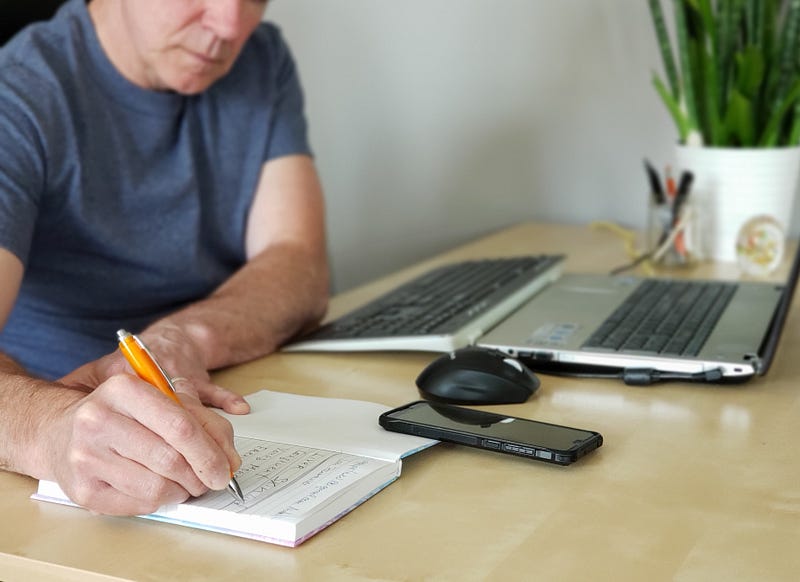
Image from Envato Elements

As you start trading, it’s important to monitor your trades carefully and adjust your strategy as needed. This will help you refine your approach and improve your results over time.

If you’re not journaling your trades then you are not learning.

It is vital that you can look back and see your wins but more importantly your losses.

It’s the only way you’ll learn.

Thank you for reading, I wish you luck with your day trading.

Investing
Day Trading
Forex
Cryptocurrency
Finance
Recommended from ReadMedium