Data Science Student Success
Putting out fires with deep learning — in Middle School
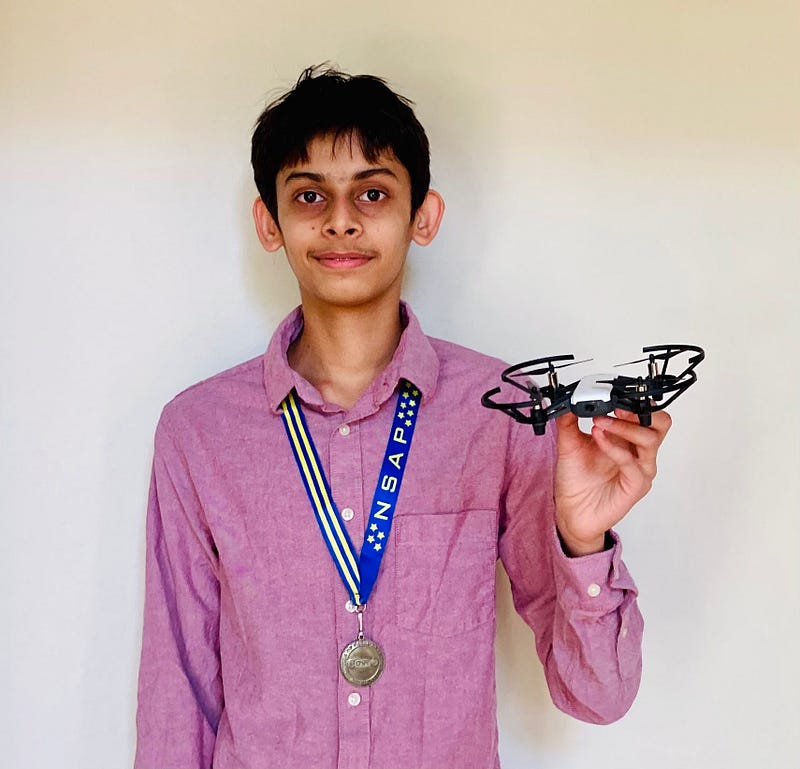
Author Corey Wade, founder and director of Berkeley Coding Academy, interviewed Yash Sharma, a recent Berkeley Coding Academy graduate who won the Physical Science & Engineering Certificate of Achievement at the Synopsys Science Fair.
Jumpstarting AI
Sixth grader Yash Sharma struggled with the Logo programming language at Challenger School in San Jose. He remembers walking with his Mom over the summer, and not wanting to fall behind in the world.
Yash had heard about AI, and he was eager to learn to keep pace. Yash’s parents discovered Berkeley Coding Academy’s inaugural Machine Learning & AI Virtual Summer Program through an online search. Berkeley Coding Academy (BCA) promised that all students, regardless of background, would code machine learning models in Python. They would learn the foundations of AI.
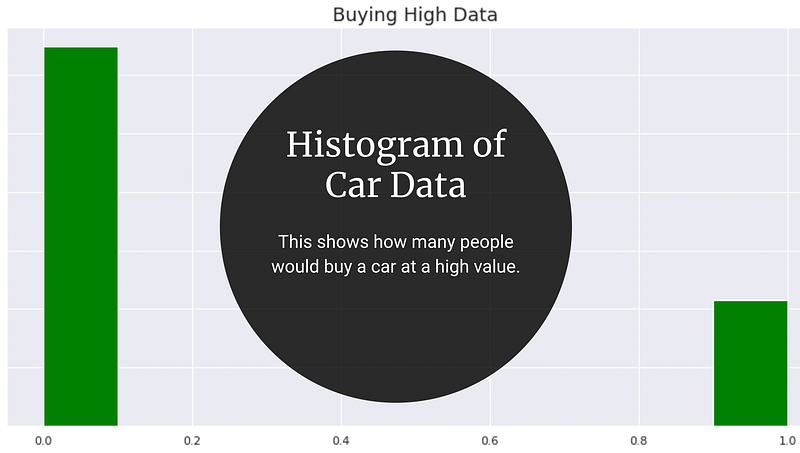
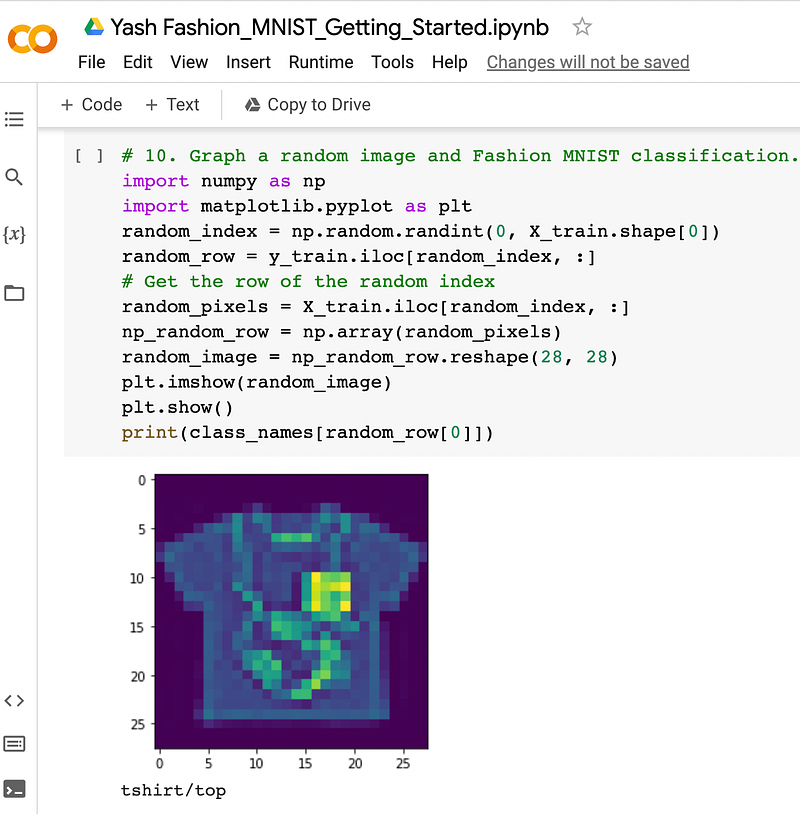
Yash’s programming knowledge primarily consisted of print statements and variable assignments. At BCA, Yash learned core Python programming along with Data Analytics and Machine Learning applications.
“BCA put in a fun love for computers,” Yash said. “BCA gave me a foundation for programming efficiently and taught me to code.”
When Yash returned to school, his world dramatically shifted. Instead of being lost during computer class, Yash knew more than all of his peers. Students began seeking out Yash for help on lessons and projects.
“Other classes have a sense of normalcy,” Yash related. “But at computers, I have a sense that I know everything, and I have a new power.”
Synopsys Science Fair
The Synopsys Science Fair showcases student projects in the heart of Silicon Valley. The regional science fair is for the next generation “who will become our future scientists, technology experts, engineers, and mathematicians,” according to the Synopsys website.
While school science fairs have a rich tradition in the United States, regional science fairs are more prestigious due to the greater volume of competition.
Yash was a regular at scholastic science fairs starting with his 6th grade fuel filler. Using a black cup for a car, Yash installed a water detector and hydrometer, filling the car with water using Arduino. The fuel filler won some awards including a second place prize.
In 7th grade, Yash built a wind turbine and simulated wind with a leaf blower to conduct experiments that culminated in various plots and machine learning models, applying what he learned at Berkeley Coding Academy where Yash continued taking advanced classes throughout the year.
In 8th grade, Yash submitted a drone experiment that would learn to put out fires, but his proposal was initially rejected. After revising his proposal, Yash was officially accepted to the Synopsys Science Fair in December 2022.
Putting Out Fires
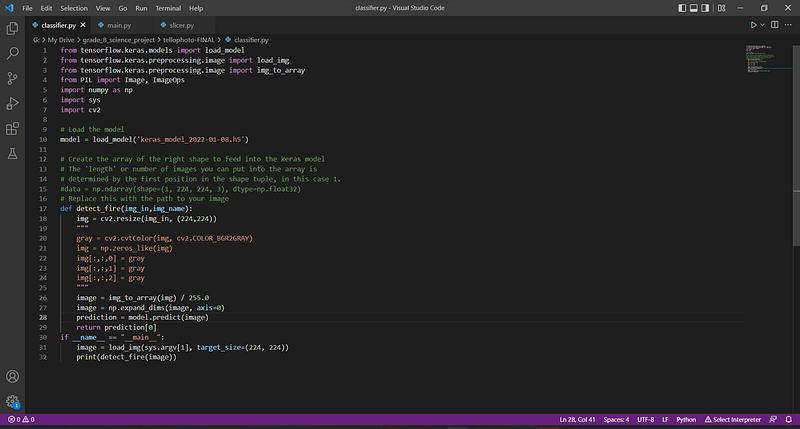
Yash built a fire-like box from paper and generated over 3000 images for training. Each image contained a fire (positive), or non-fire (negative), for classification purposes.
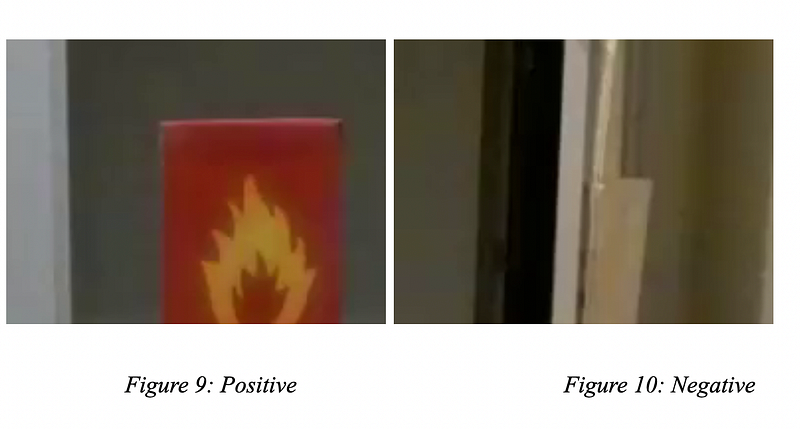
Next, Yash programmed a Tello Drone to distinguish between fires and non-fires using the 3000 labeled images for training. Applying a Convolutional Neural Network (CNN), Yash achieved accuracy scores of about 80%. Seeking a stronger base model, Yash explored alternative frameworks.
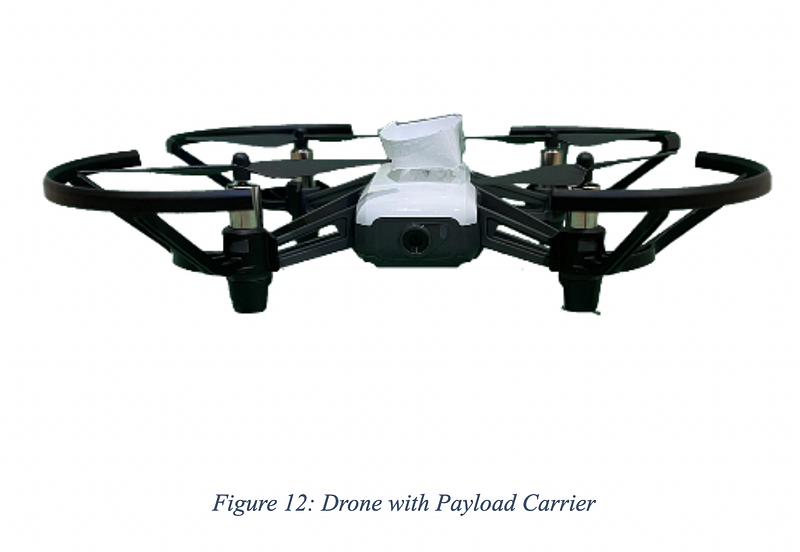
Yash found success with Teachable Machine. He fine-tuned the initial Convolutional Neural Network on his own to improve accuracy scores from 96 to 98%. The drone was consistently putting out fires, as shown in the YouTube video below.
In the above sequence, the drone processes images as it flies. Each image is sent through the neural network. When a new image is classified as a fire, the drone takes action by putting the fire out.
Yash’s project clearly demonstrates Artificial Intelligence (AI). The drone extinguishes fires not through explicit programing, but through machine learning. The machine learning happened when Yash trained the neural network on the 3000 fire and non-fire images. The machine learning works in practice as the drone correctly identifies a new image as “fire” before putting the fire out.
Recognition
In March of 2022, Yash’s Firefighting Drone won the Physical Science & Engineering Certificate of Achievement and Medallion from the Office of Naval Research — United States Navy/ US Marine Corps.
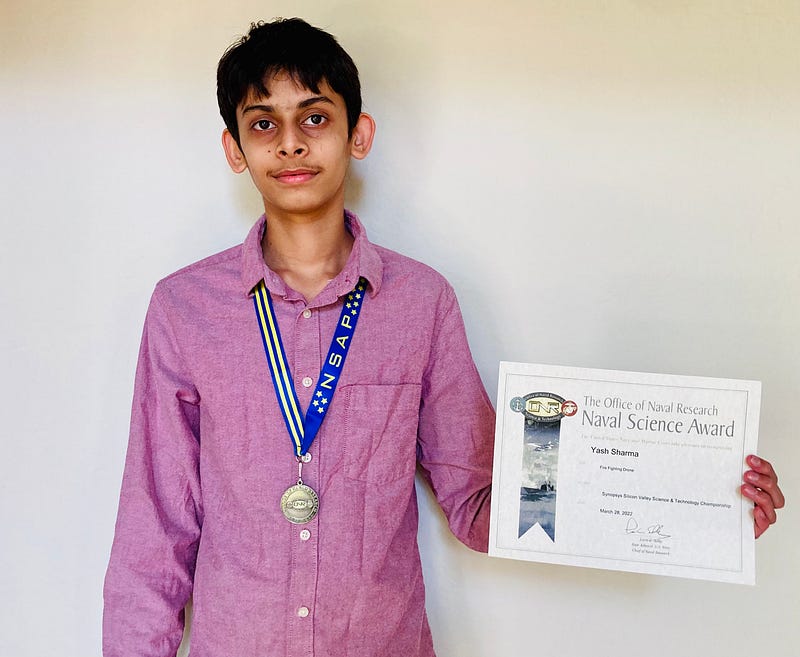
In less than two years, Yash went from being lost in a 6th grade computer class to receiving accolades in Silicon Valley for building AI with real-world applications. Visions of drones circulating California Forests to put out wildfires before they devastate urban areas seem more promising and plausible after Yash’s demonstration.
After winning the medal, Yash thanked Berkeley Coding Academy for teaching him to code. While BCA provided the deep learning foundation that Yash built upon, Yash’s determination, creativity, and joy for machine learning ultimately led him to victory.
With his Middle School years almost behind him, Yash is pursuing new project ideas. One applies Reinforcement Learning to create a flight simulator that will automate landings. Another uses Natural Language Processing to create summaries of podcasts.
Yash tells the next generation of students looking to breaking into AI that it’s not as intimidating as it seems. “At the end of the day it’s just logic behind everything that you’re doing. Just focus on the logic.”