
Data Science Meets Healthy Eating: A Recipe for Personalized Nutrition
In the era of big data, it comes as no surprise that the realms of science and technology have extended their reach into almost every aspect of our lives. One area that has witnessed a profound transformation is nutrition, with data science emerging as a powerful tool in understanding and promoting healthy eating habits. By leveraging vast amounts of information, data science has the potential to revolutionize the way we approach nutrition, paving the way for personalized and evidence-based dietary recommendations. In this article, we explore the intersection of data science and healthy nutrition, shedding light on the immense benefits it offers for individuals and society at large.

The Rise of Data Science in Nutrition
Traditionally, dietary recommendations were often based on population averages, overlooking the significant variability in individuals’ physiological makeup, lifestyle, and genetic predispositions. Data science has played a pivotal role in shifting this paradigm by enabling the analysis of vast datasets encompassing diverse factors like genetic information, health records, dietary intake, and lifestyle choices. By extracting patterns, trends, and correlations from this data, scientists and nutritionists can now provide more personalized and precise dietary guidelines.
Predictive Analytics for Personalized Nutrition
Data science techniques, such as predictive analytics and machine learning, allow researchers to develop models that can predict individual responses to specific dietary interventions. These models take into account a multitude of factors, including genetic markers, microbiome composition, metabolic health, and personal preferences. With such insights, individuals can receive tailored recommendations that consider their unique biological makeup, making it more likely to achieve desired health outcomes.
Wearable Devices and Food Tracking
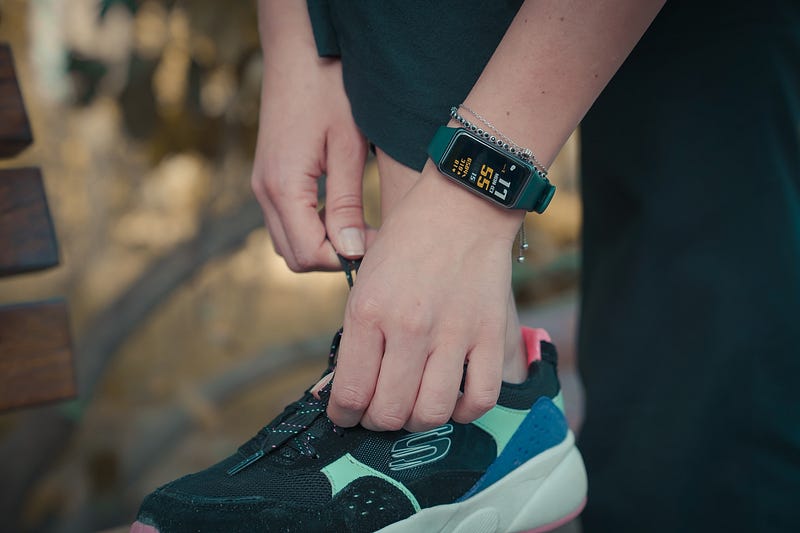
Advances in wearable technology, such as fitness trackers and smartwatches, have made it easier than ever for individuals to monitor their daily activities, including physical exercise and sleep patterns. These devices, coupled with smartphone applications, also enable users to track their dietary intake, providing valuable data for analysis. Data scientists can harness this information to gain insights into an individual’s nutritional habits, identify potential deficiencies, and offer recommendations for optimizing nutrient intake. You can get yourself a smartwatch here!
Real-Time Feedback and Behavior Change
Data-driven nutrition also opens up opportunities for real-time feedback and behavior change. Mobile applications and smart devices can provide immediate feedback on food choices, alerting individuals to potential allergens, excessive calorie intake, or nutrient imbalances. By providing this feedback, data science empowers individuals to make informed decisions and modify their eating habits, ultimately leading to improved overall health and wellness.
Public Health and Policy Interventions
Data science’s impact on nutrition extends beyond the individual level; it has significant implications for public health and policy interventions. By analyzing large-scale datasets, researchers can identify nutritional trends, correlations, and risk factors on a population level. This information can inform the development of effective interventions, targeted policies, and educational campaigns to address specific nutritional challenges, combat chronic diseases, and improve overall public health outcomes.
The convergence of data science and healthy nutrition holds immense potential for transforming the way we approach our diets and overall well-being. By leveraging the power of data analysis, predictive modeling, and real-time feedback, personalized nutrition recommendations become a reality. From aiding individuals in making informed food choices to informing public health interventions, data science serves as a catalyst for progress in the field of nutrition. As we move forward, harnessing the power of data will continue to shape a healthier and more personalized approach to nutrition, empowering individuals and societies to optimize their well-being.