
Data Engineers, Prepare for Takeoff: Top Trends Shaping 2024
Prepare for a Data-driven Future in 2024

The data world is abuzz with excitement about the possibilities of 2024. As organizations increasingly rely on data-driven decision-making, the demand for skilled data engineers continues to skyrocket. However, the field is evolving at a breakneck pace. Data engineers must stay updated on the latest innovations to thrive in this landscape.
Exciting new technologies are set to revolutionize data engineering next year. AI and machine learning are breathing new life into data pipelines. Real-time data processing is finally moving from fantasy to reality. Data storage and accessibility are being transformed through data lakehouses. Low-code/no-code tools are empowering people across the business to engage in data engineering. And tech giants are battling to deliver the best end-to-end data platforms.
These developments promise to deliver increased efficiency, deeper insights, and more value from data. Data engineers who skillfully navigate this evolving landscape will be primed for success. Read on for the top five trends that will define data engineering in 2024.
AI Revolutionizes Data Pipelines
The traditional ETL (extract, transform, load) pipeline requires extensive manual effort. Data engineers must extract data from various sources, transform it into the required format, cleanse errors, and load it into data warehouses. This process is time-consuming, resource-intensive, and prone to quality issues.
AI is set to shake things up through automation. ML algorithms can now detect data quality issues and inconsistencies. They deliver near real-time transformation and cleansing. Automated anomaly detection minimizes pipeline disruptions. Platforms like Anomalo automatically build data quality checks and maintenance workflows. This slashes engineers’ workloads by up to 90% while optimizing pipeline health.
Real-Time Data: From Fantasy to Reality
Batch data processing fulfils most analytics needs. But it needs to catch up to operational systems, limiting real-time decision-making. Streaming data platforms like Apache Flink promise to bridge this gap through sub-second data ingestion and analytics.
Flink enjoyed a banner year in 2022 with 150% cloud customer growth. The distributed streaming framework can seamlessly process event streams of millions of events per second. This enables real-time dashboards, alerts, and decision-making based on operational data. Compatibility with BigQuery, Snowflake and other data warehouses unifies real-time and historical analytics.
Data Lakehouses: The Storage Solution of the Future
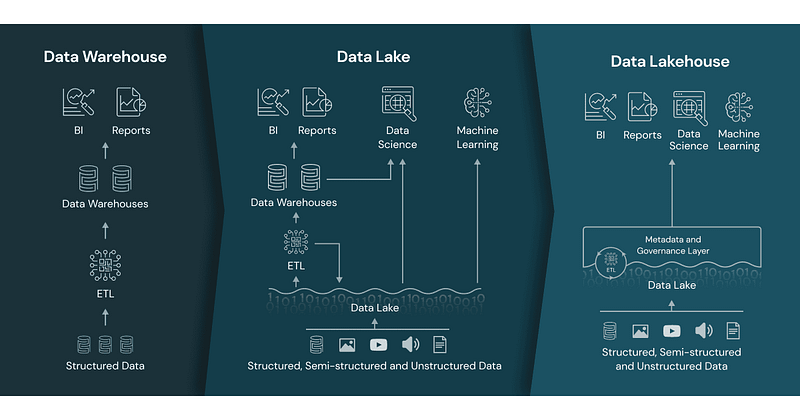
While data lakes provide flexibility and data warehouses enable structure, each has limitations. Data lakehouses aim to deliver the best of both worlds. These cloud-native solutions apply structure to data within low-cost object stores. They simplify petabyte-scale analysis across unstructured, structured, batch and streaming data.
Databricks Lakehouse accelerates tasks like ETL data pipeline development and bi-temp data sharing between data engineers and scientists. compatible with Delta Lake, an open-format storage layer that brings reliability to large-scale data lakes. Look for data lakehouses to become the go-to data foundation as organizations retire their legacy on-prem data warehouses over the next few years.
Empowering Everyone with Data
Traditionally, data skills have been limited to technical specialists. But low-code/no-code tools like Airflow are democratizing data engineering. Intuitive visual interfaces empower analysts, engineers and business users to develop and deploy their own ETL workflows.
Dataiku Inc. helps Lloyds Bank commercial banking teams process and understand client data without relying on data specialists. The bank’s new self-service data access hub provides real-time insights for faster lending decisions. No-code tools give subject matter experts more ownership over data, reducing bottlenecks. They promise to break down data silos and promote smooth collaboration across business and technology.
The Tech Giants’ Battleground
Behemoths like Snowflake, Databricks, and the major cloud platforms dominate today’s data ecosystem. Snowflake leads the data warehouse market, while Databricks fuels data lakes. Microsoft Azure, Google Cloud and AWS Redshift offer fully managed analytics and data warehouse services.
These vendors aim to provide one-stop shops spanning infrastructure, storage, processing and visualization. However, gaps remain when integrating SaaS applications and legacy environments. Data engineers should embrace multi-cloud approaches that avoid vendor lock-in. As giants compete for market share in 2024, flexibility will be key to navigating evolving relationships.
The Road Ahead
Data engineering is entering an era powered by automation, streaming analytics, and democratization. As these groundbreaking trends redefine data practices, engineers have tremendous opportunities. But they must stay nimble and open-minded to ride this wave of innovation.
Hone your understanding of emerging technologies. Seek out low-code/no-code training and get hands-on with new tools. Follow industry discussions and connect with the data community. Share your experiences and learnings with peers. And prep your organizations to make the most of this data revolution! The future of the field rests in your hands.