
Darkness in America: How to Start Healing From Toxic Masculinity
Here’s how we can stop conforming and start being more authentic.
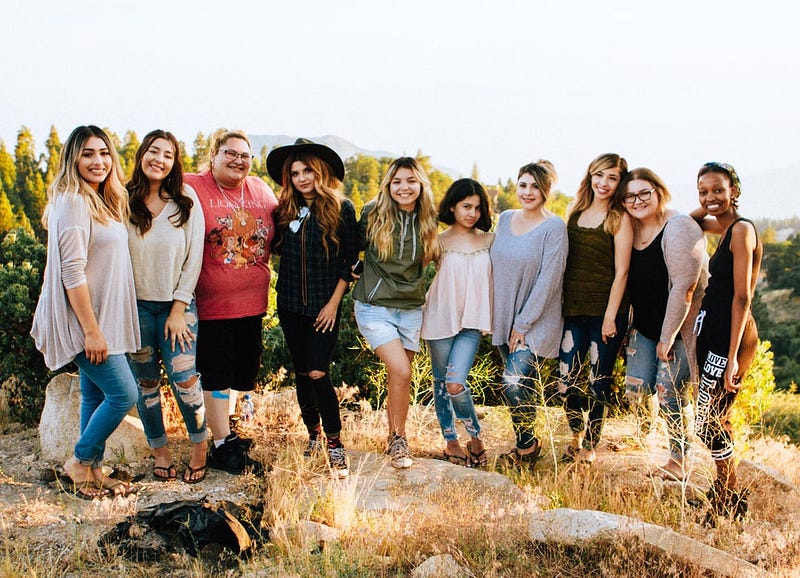
Have you felt repressed? Have you felt ashamed of yourself, of your sexuality, afraid of being too loud? Have you felt embarrassed by your emotions, believing you are too sensitive or dramatic? You are not alone.
“Men who do not turn to face their own pain are too often prone to inflict it on others.”
Both men and women have many shadows, pain that has been shoved away. Every year, over 10 million Americans are victims of psychological and physical abuse from people they love and trust the most. I want to share my trauma with you. I want to share how I have learned to feel safe and whole.

At 14 years old, I was bright, curious, and energized by the world around me. As my healthy adult self, I would tell young Allison, “You are beautiful and full of light. I will give you the unconditional love you need. The people around you are in pain, and it’s not your fault.”
Religion, especially men in religion, traumatized me. Religious teachers taught me that as a woman, I am meant to be quiet, submissive, and “sexually pure.” If I fail to mute myself and save my sexuality for marriage, then I am evil. I am not evil; I am courageous and powerful, and that scares them.
We need to integrate our shadows
Our American culture has become increasingly masculine and toxic. We are taught to be productive above all else, how to do more with our time. We are not taught how to be more authentic, to embrace gratitude, joy, and being.
We need more nurturing, acceptance, curiosity, empathy, and kindness of the feminine consciousness to heal. We need to explore and integrate our shadows, to stop passing judgment on ourselves and each other. We are human beings, not super-humans or machines.
We do not have to pretend to be perfect. We can find safe spaces to explore the darkness. When we integrate our shadows, we stop feeling repressed. We stop accepting the expectations and “truths” that have been given to us. Feeling, exploring, and healing our shadows make us more balanced humans.
“Survivors of abuse show us the strength of their personal spirit every time they smile.”

I was not taught to create physical or emotional boundaries, to keep my heart safe. I had been criticized for dressing immodestly and “being a distraction,” and I felt rebellious. I have been sexually abused by men multiple times, and I felt guilty. It must have been my fault. I never shared my story, and I internalized that guilt.
For years I have struggled with owning my voice, expressing my needs, and embracing my sexuality without feeling ashamed or embarrassed.
I never deserved that treatment. I definitely did not “earn” abuse through my wardrobe. I felt so small and ashamed.
We need to nurture ourselves
Our culture’s Capitalistic messages convince us that we need more to feel happy and complete, i.e. more things, fame, money. Our souls have become under-nourished, and we feel disconnected, disenchanted, and competitive.
Patriarchy has led to so much pain in our country. Women have been told to be more like men to become leaders when actually the average woman has more natural and effective leadership skills, i.e. humility, empathy, inspiration. Men often become leaders with overconfidence and narcissistic behaviors, leading to poor leadership and toxic work environments.
We need to nurture ourselves with our creativity, playfulness, openness, curiosity, kindness, and intuition. We need more collaboration, empathy, psychological safety, and compassion in our personal and professional lives, starting with ourselves. We need to cultivate strong internal relationships.
We need to honor our feelings
Our bodies and emotions are incredibly wise. Studies have shown that our bodies pick up on the relationship and environmental issues long before our minds do.
We are not thinking machines; we are feeling beings who think.
The more we honor our emotions, the less burned out, depressed, anxious, stuck, and out of shape, we’ll be. Awareness and kindness towards our emotions is a superpower.
We need to reconnect with our divine feminine energy to bring balance to our hyper-masculine selves and our hyper-masculine culture.
Instead of trying to fit in, let’s tune in to our own frequencies and surround ourselves with people who resonate, people who want the best for us and who nurture our growth.
Sometimes, we need to walk away
Our work and relationship environments have a strong impact on our well-being. If you find yourself in environments that do not nurture your wellbeing and encourage your growth, then it’s probably time to walk away.
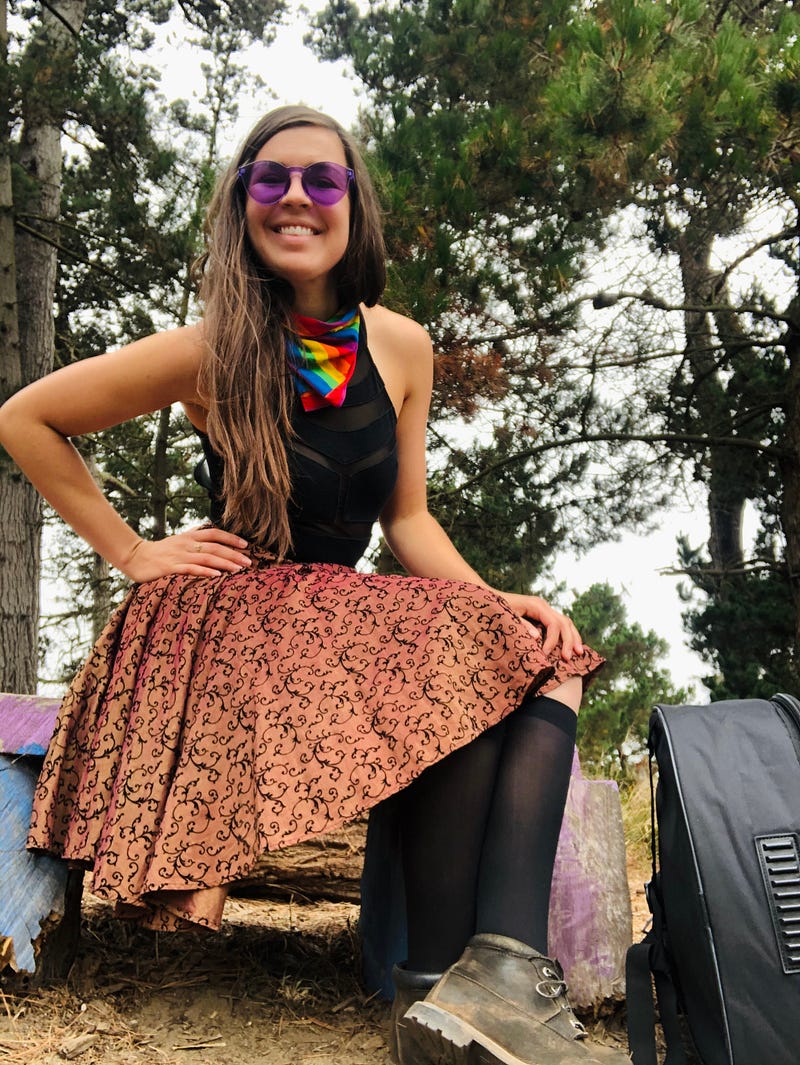
Feeling unworthy and unsupported makes walking away really difficult for most people. Find communities who can relate, find the right therapist, find the people who give you unconditional love, and make yourself one of them. Instead of traveling outward, try exploring inward to learn about yourself, who you want to be.
Writing this article has been very emotionally challenging for me. I started with the idea a few months ago, and I never thought I would feel comfortable or confident enough to share my experiences and feelings on this dark topic. But I know that getting out of the “nice and pretty,” people pleaser box means ruffling feathers and sharing hard stories.
Closing thoughts
I believe being creative heals ourselves and each other. I hope my story helps at least one person to know that they are not alone and that they deserve better unconditional love. You are loved and lovable.


