
Salenophile
Dark Side of the Moon
Astrophotography methods pull back the veil
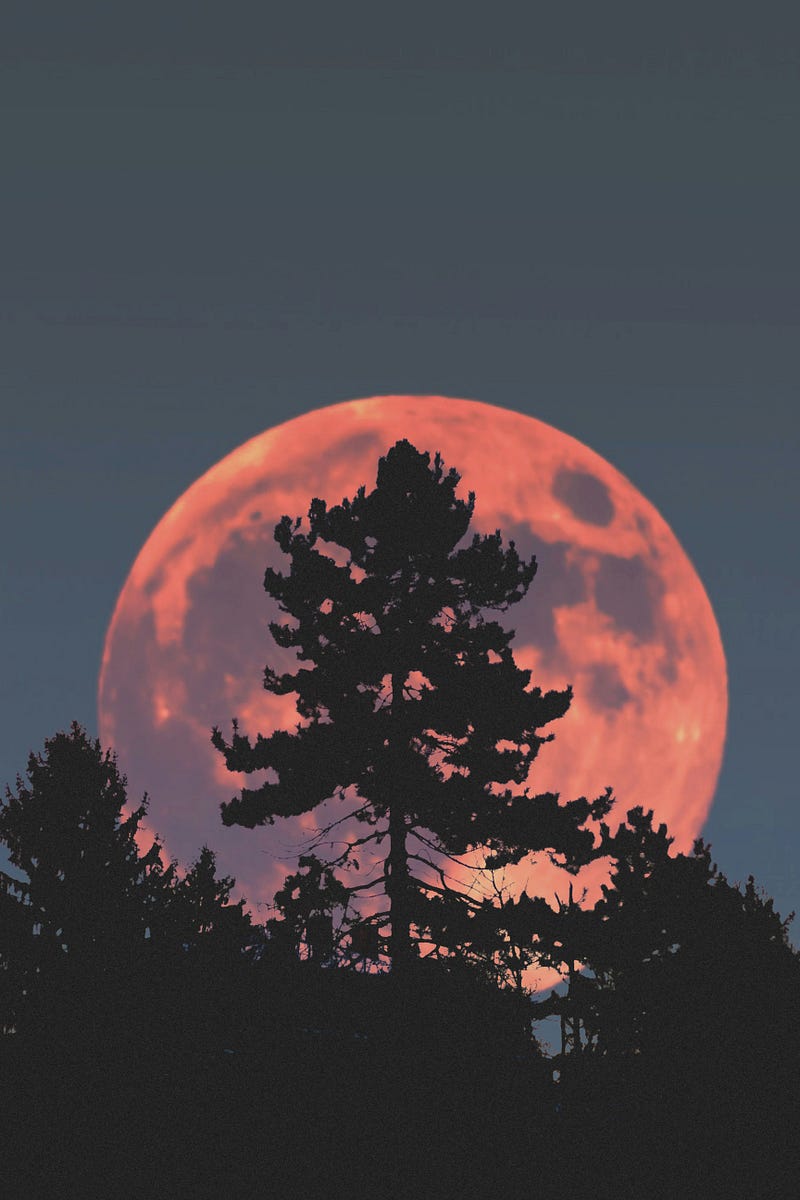
The moon conquered humanity from the beginning. This orbiting our planet was the subject of myths, tales, poems, and scientific discoveries. The moon is the closest astronomical object to Earth and is only 384,400 kilometers away, but modern astronomy contains many mysteries that have just begun to be solved.
One area of the moon that is particularly difficult to understand is the mysterious side that is forever moving away from Earth.
The other side of the moon
The far side of the moon has long been a source of human charm and speculation. Early astronomers could only dream of what landscapes could simply exist out of sight.
It wasn’t until 1959 that the Soviet Luna 3 spacecraft returned the first grainy images of the far side of the moon and we saw its surface for the first time.
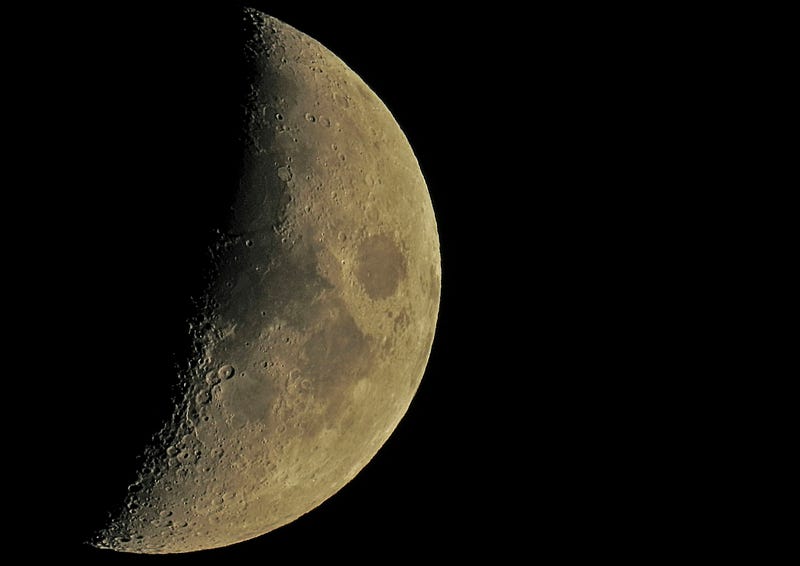
Since then, increasingly advanced orbital missions have continued to map the Moon’s hidden face. This spacecraft revealed rugged highlands, giant craters, and the largest impact object in the entire solar system — the South Pole–Aitken Basin.
However, many details remain obscured. The complex topography makes it difficult to photograph some areas even from lunar orbit. But thanks to persistent astrophotographers and their ingenious techniques, the dark side of the moon is giving up more and more of its long-held secrets.
In recent years, astrophotography has become an amazing and powerful new tool for observing, documenting, and identifying previously invisible features of the lunar surface.
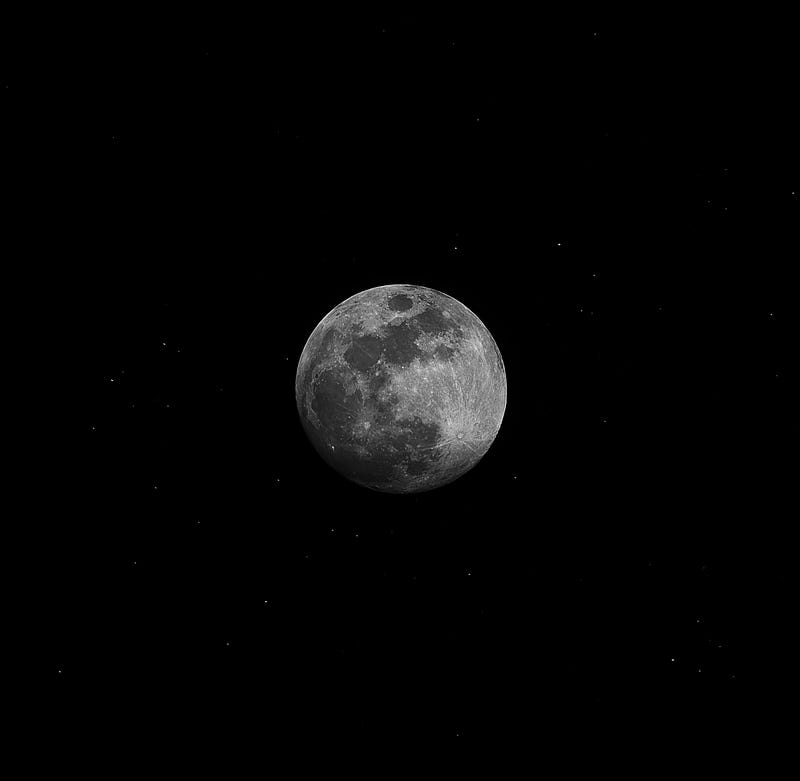
In particular, experienced astrophotographers equipped with specialized cameras, telescopes, and imaging techniques have discovered some of the most distinctive lunar landscapes and geological formations not visible on the far side of the Moon.
By combining and layering thousands of high-resolution photographs, adapting inventive camouflage and post-production techniques, and taking into account the unique challenges of photographing the Moon, these devoted lunar viewers slowly uncovered many stunning locations on the other side.
Crispy craters, cracked plains, mountain peaks, ridges, valleys, and grooves' revelations seem endless when viewed through the eyes of astrophotographers’ workshops.
Secrets still waiting in the shadows
As amateur space photography evolves with advanced equipment and techniques, more unforeseen lunar discoveries are likely to await us.
Caves, lava tubes, or other pits created by past volcanic activity can lurk beneath the surface. Evidence of relatively new geological phenomena may indicate that the moon’s interior still retains residual heat.
In permanently shaded regions there may even be water ice deposits. What other surprises are hidden in the distant hemisphere of our air and rocky satellite?
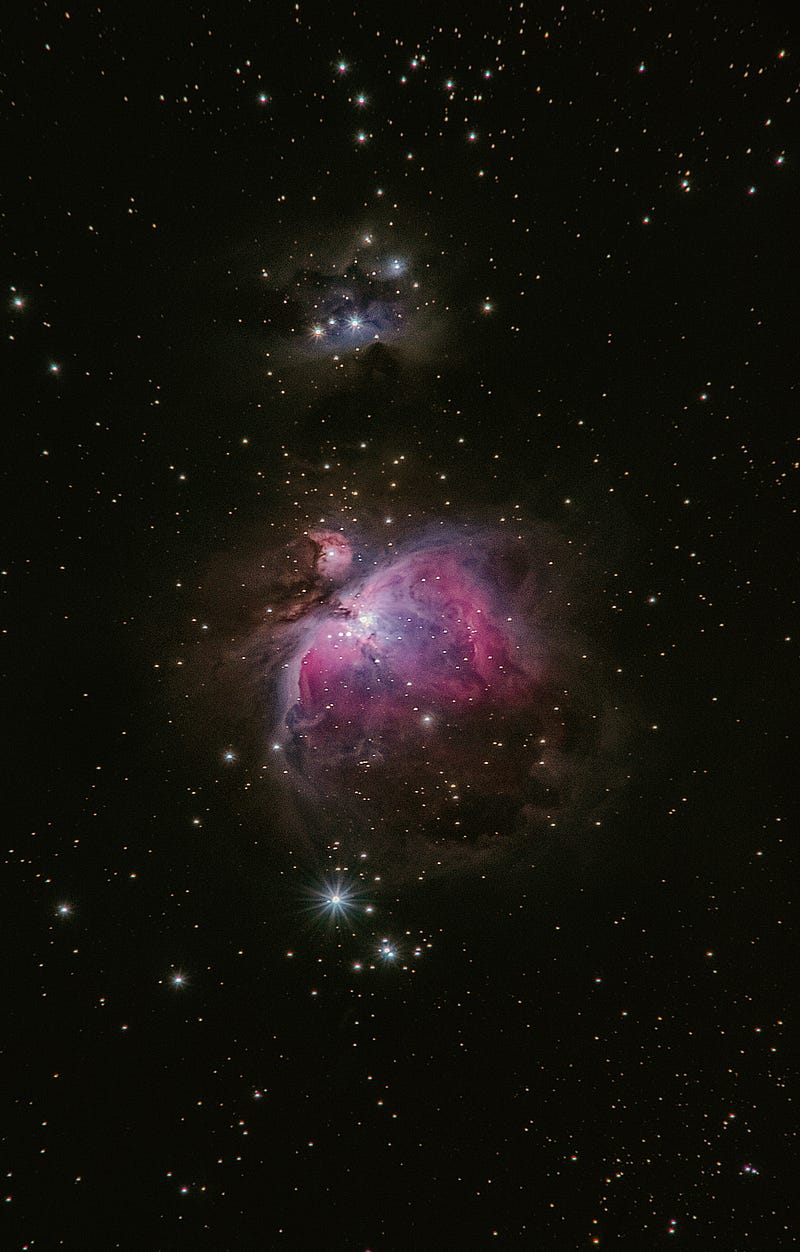
As the next generation of space observers adopt the noble mantle of advanced astrophotography, humanity approaches the cover of all the mysteries hidden in the darkness on the mysterious other side of the Moon.
“Follow me on LinkedIn, facebook, Youtube, Twitter, and Instagram.”
I hope you’ll find this story “Interesting and Surprising”. Subscribe to my newsletter for such interesting and lovely poems and stories.
You may also like:
Happy Learning. 😊😇


