
Daring to Dream Beyond the Degree: The Legends of Gates, musk, jobs, and 7 Other Titans
10 golden Key Takeaways from the Journeys of These Titans
this article belong to this series :
When we talk about success, many of us picture fancy colleges and their brilliant students. But we’ve all heard stories of people who left school and still made it big. They didn’t climb up with top grades, but with grit, smart ideas, and a never-give-up attitude. So, what makes these brave souls tick? Let’s explore their paths to greatness.
1. Embracing the School of Hard Knocks
Drop-out business stars often turn every twist and turn into a lesson. Without regular classrooms and books, life itself becomes their teacher. Mistakes? They’re just lessons in disguise. For example, think of Richard Branson of Virgin Group. School was tough for him due to his dyslexia (disability that causes reading, writing and learning difficulties). But instead of letting this hold him back, he saw his struggles as special tools that made him more creative and strong.
2. Questioning the Status Quo
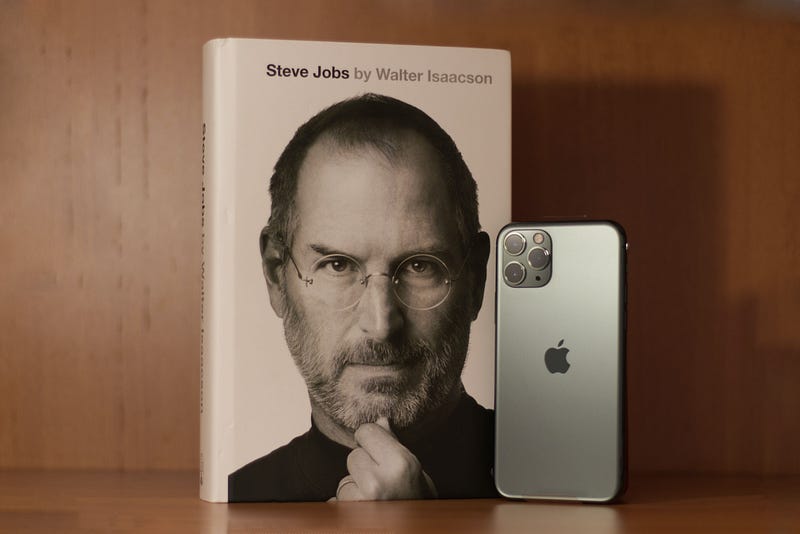
One thing you’ll see in almost all these self-made leaders is their courage to question everything. They aren’t stuck with old ways of thinking. They look at the world with bright, open eyes. Take Steve Jobs of Apple, for instance. He once said, “The people who are crazy enough to think they can change the world are the ones who do.” Leaving Reed College didn’t slow him down. It freed him up to chase his real dreams, leading to ideas that changed how we all live.
3. Networking Beyond the Classroom
You know, universities are great for learning. But sometimes, they keep you inside a bubble. You only meet certain people, learn certain things. But those who leave school early? They often step out and make friends in the big, wide world. Just look at Mark Zuckerberg. Yes, Facebook started at Harvard. But it’s the friends he made outside school that helped turn Facebook into the giant it is today.
4. Fostering a Growth Mindset
Some folks are scared of change. They want to stay in their safe zone. But if you’ve skipped the usual school route, you often learn to love change. To face tough times head-on. Like Larry Ellison, the man behind Oracle. Life threw a lot at him, from losing his mom to quitting two colleges. But did he give up? No. He saw every tough time as a chance to grow. And today? Companies all over the world use his software.
5. Prioritizing Passion Over Paper
For some, it’s not about the degree on the wall. It’s about the fire in the heart. People like Elon Musk show us this. Sure, he went to Stanford. But not for long. Why? He had bigger dreams. From PayPal to rockets with SpaceX, it wasn’t about making money. It was about making a mark, changing the world. And that’s all because of his deep love for creating cool new things and making our future bright.
6. Capitalizing on Real-World Experience
Schools teach us theory. The real world? That teaches us life. Many business folks who skipped the full school experience dove right into work. They learned by doing. Just think of Bill Gates. He left Harvard and started Microsoft. And guess what? His hands-on approach helped turn a small company into a tech powerhouse.
7. Embracing Failure as a Stepping Stone
Now, most of us fear messing up. But these self-made leaders? They see mistakes differently. For them, every mess-up is a lesson. There’s no report card judging them. Like David Karp, the guy behind Tumblr. He left school at 15. Faced lots of hurdles. But every time he stumbled, he learned. That’s how he made one of the biggest blogging sites.
8. Agility and Adaptability
Being flexible. That’s a big deal in business. And if you aren’t stuck in classroom rules, you learn to move with the times quickly. Jan Koum, the brain behind WhatsApp, is a classic example. His journey from Ukraine, through tough times, to dropping college taught him one thing — always be ready to change. And that’s what made his app a hit in the tech world.
9. Laser-Sharp Focus on Vision
Sometimes, quitting school means you’ve got a big dream. And you stick to it, no matter what. Like Ralph Lauren. He left college but had this idea about selling ties. He held onto that dream. And today? He’s a big name in fashion. It’s not always about school degrees. It’s about having a dream and chasing it.
10. The Value of Self-Education
Okay, so they left school. But guess what? The best entrepreneurs, they keep learning. They read a lot. They go to workshops. They’re always curious. Michael Dell is one such guy. He started Dell Technologies after leaving college. But he never stopped learning. And that’s how he made computers for all of us.
Conclusion
So, what did we learn? Big entrepreneurs, even if they left school, they break all the rules. They show us you don’t always need a classroom to be brilliant. With big dreams, hard work, and always wanting to learn, they change the world. But remember, they are special stories. Not everyone has the same path. School is still cool. But these stories? They tell us to dream big, whether you’re in school or not.
next reads (recommendations) :
DISCLAIMER
The content provided in this article is for informational and entertainment purposes only and does not constitute advice, endorsement, or recommendation of any kind. While certain examples and narratives are presented, they are anecdotal and should not be universally applied or taken as representative of everyone’s experience. Although efforts have been made to ensure accuracy, there may be errors, omissions, or inaccuracies present.
Dropping out or bypassing formal education may have worked for the individuals mentioned, but it does not imply that this route is suitable or recommended for everyone. Formal education continues to be a pivotal foundation in numerous fields and professions. Before making substantial decisions about your educational or career trajectory, it is vital to evaluate the potential risks and your personal circumstances carefully.
Neither the author nor any associated parties shall be liable for any decisions made or actions taken based on this article’s content. The views expressed herein are those of the author and do not necessarily reflect those of any institution, organization, or group. Readers are urged to consult with professional advisors or experts in the relevant fields before making any decisions based on this content. This article does not intend to defame, harm, or misrepresent any individuals or institutions but to offer insights based on available data and anecdotal accounts.