
Dam Tourists
Why everyone should visit Wales’s Elan Valley Reservoirs in winter
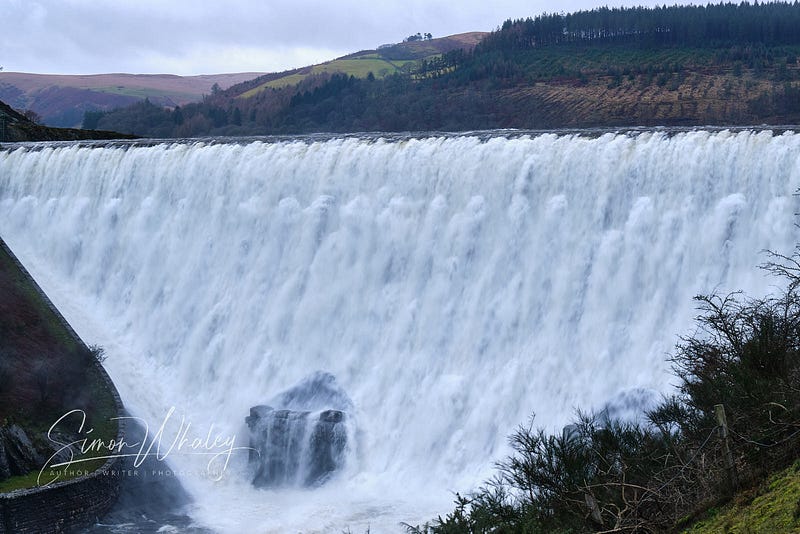
The ground is trembling. There’s a constant, deafening roar that blocks out most other sounds, apart from the occasional gust of wind, strong enough to nearly knock me to the ground. And I’m soaked. It’s not raining, but each wind gust skims the surface of the reservoir, sucking up enough water to deluge me with a downpour as it blows past.
Welcome to Wales. More specifically, welcome to the Caban Coch reservoir and dam in the Elan Valley. It’s that time of year for dam tourism.
The Elan Valley lies in the middle of Wales, in the heart of the Cambrian Mountains. This is the ridge that forces all those Atlantic westerlies to rise higher into the sky, thus encouraging them to dump their water content on the mountains below.
So when the Victorians were looking for somewhere to supply the ever-growing city of Birmingham with a regular clean water supply, they very cannily plumped for the Elan Valley to build their dams and create their reservoirs (flooding several communities in the process).
While they met the primary goal of supplying a city with fresh clean water every day, a task they continue to achieve today, they’ve also become a tourist sight in their own right. And in winter, when the Atlantic westerlies carry more water and become more frequent, the Elan Valley reservoirs become a magical spectacle.
It’s all down to how the Victorians built the dams. Victorian engineers took pride in their work and wanted their structures to look impressive.
Elan Valley
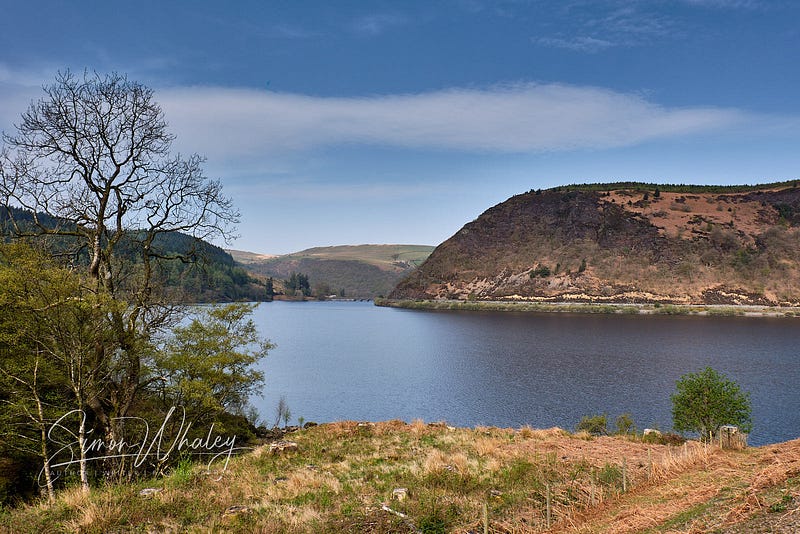
The Elan Valley estate encompasses 70 square miles and is managed in partnership between the Elan Valley Trust and Welsh Water (Dŵr Cymru). There are five dams in total (make that five and a half, because one wasn’t finished).
Caban Coch
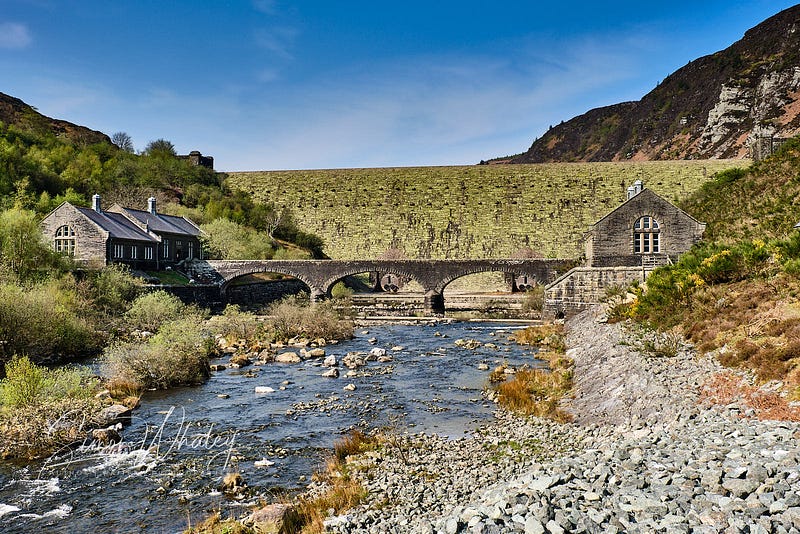
Caban Coch dam is the lowest of the dams built along the River Elan. It was opened in 1904, and it holds 36,000 mega-litres. It was designed for any excess water to flow over the top and cascade down the front.
Indeed, one of the dam’s engineers, Eustace Tickell, said:
”… in time of flood, when the storm water rushes over the crest and falls to a depth of over 120 feet, the dam at Caban Coch will present the appearance of a magnificent waterfall.”
This is why everyone should visit the Elan Valley in winter.
Garreg Ddu
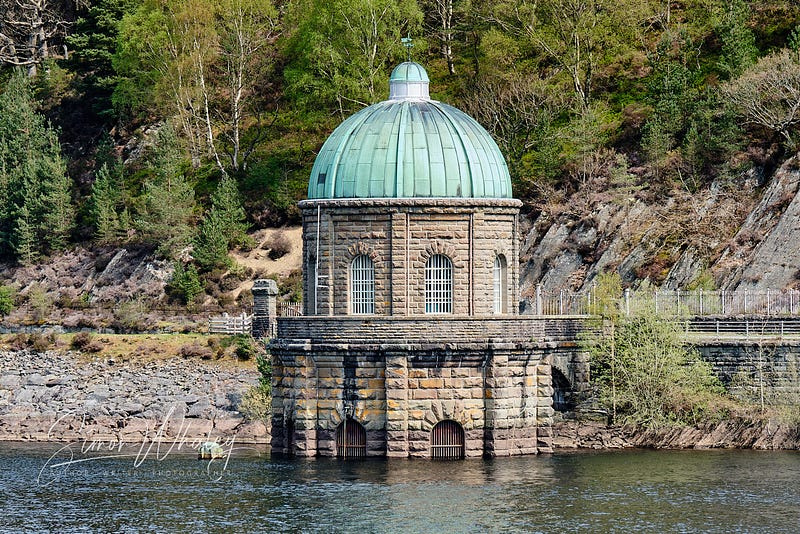
To look at, Garreg Ddu looks more like a bridge than a dam, and that’s because it’s both. The dam is submerged, but stone supports above it carry a road bridge across the top. This submerged dam is required to ensure enough water is retained in the reservoirs upstream, so that water can always be extracted and sent to Birmingham 70 miles away.
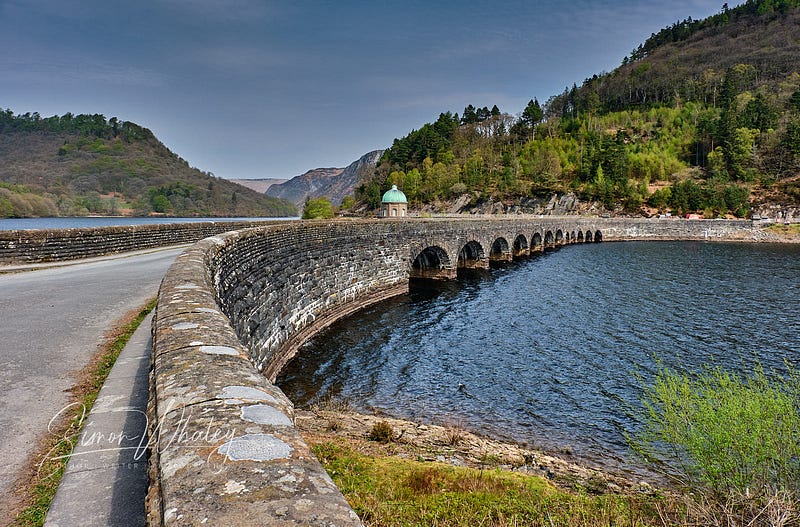
Extraction happens here, because it is 52 metres, or 171 feet higher than the city of Birmingham, which means that the water is carried on its 70-mile journey entirely by gravity.
Pen y Garreg
This is the third dam in the Elan Valley, and has a turret in the middle, accessible via a walkway inside the dam.
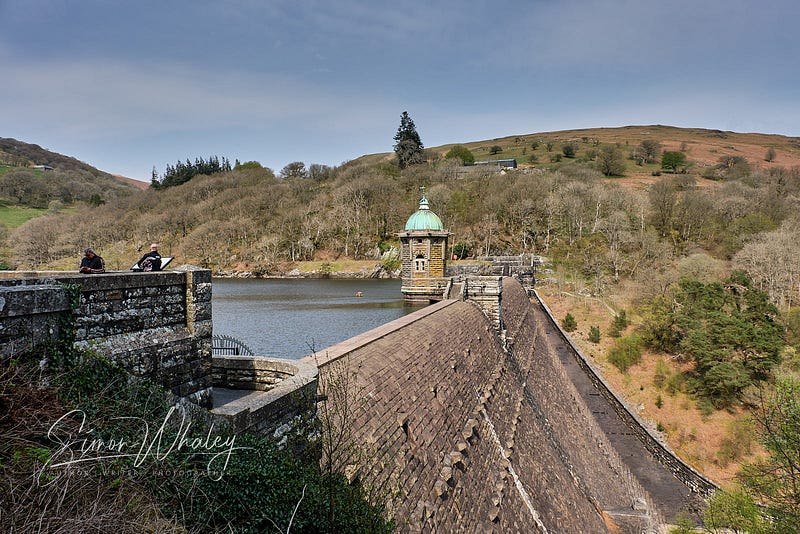
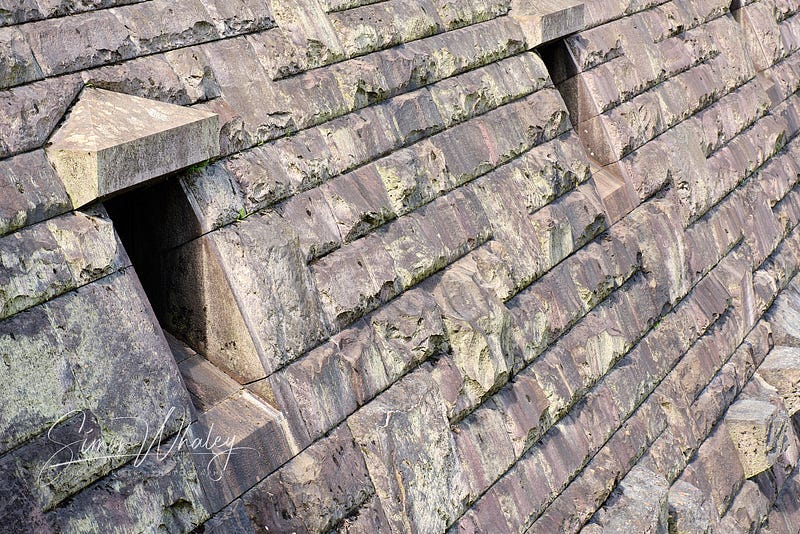
However, that walkway is lit via holes in the downstream side of the dam wall! If ever you’re in the Elan Valley area, check out whether a dam tour is taking place for that real dam-tastic visitor experience!
Craig Goch
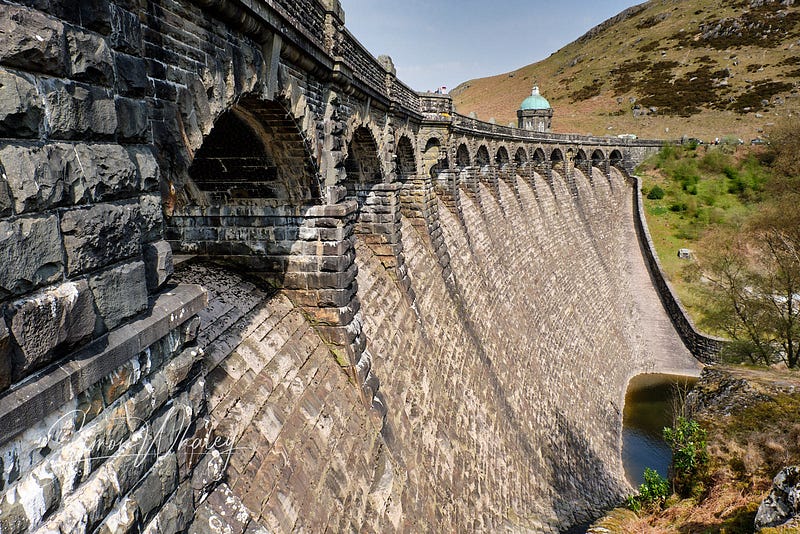
This is the highest of the dams in the Elan Valley and is 1,047 feet above sea level. Unlike the other dams, this one has a curved structure, but it also carries a road across the top of it. Like Caban Coch, Craig Goch is designed so that excess water can flow over the top, cascading through the arches to the river below.
Claerwen Valley
When the Elan Valley dams were built, there were also plans for three more dams in the adjacent Claerwen Valley. Originally, they wanted work to begin in the 1930s, but the Second World War interrupted this. Work didn’t begin until 1946.
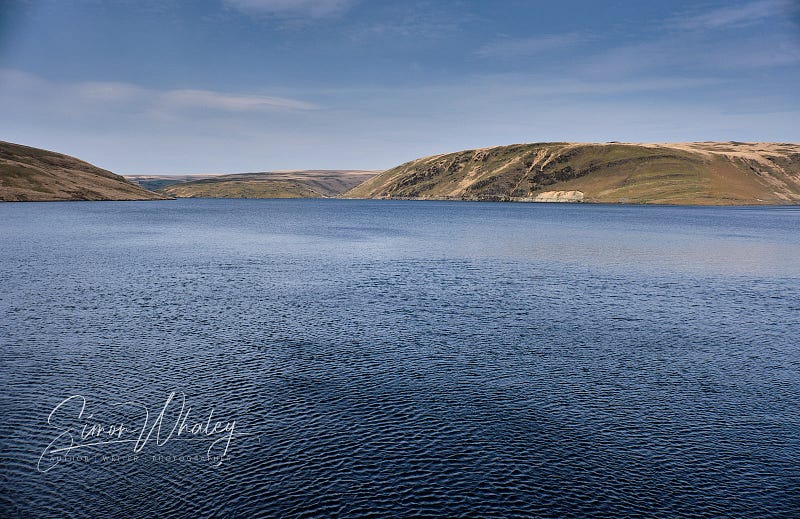
However, dam technology had improved, and they realised that instead of building three more smaller dams, one larger dam would be sufficient — hence why the Dol y Mynach Dam is only ‘half a dam’ and is unfinished.
Claerwen Dam
Behind this dam is a reservoir that holds a similar amount of water as all the Elan Valley reservoirs in total. It took six years and 470 workmen to build it, and they copied the Victorian design, facing it with stone to make it look aesthetically more pleasing than just a concrete wall. And just like Garreg Ddu and Cabon Coch dams, it’s designed to allow excess water to flow over the top.
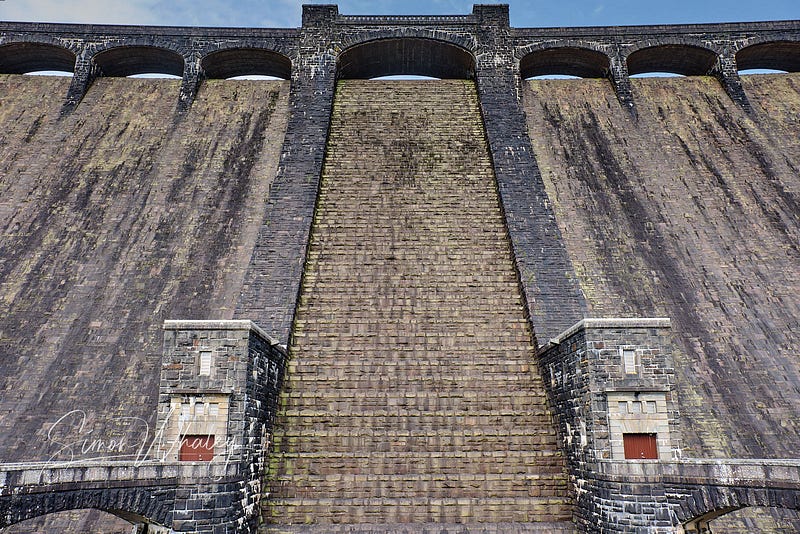
A surprising dam — Nant Y Gro
There is one more dam, or rather, the remains of one, that’s worth a visit, if you can. Nant Y Gro dam has a special place in history.
It was built when work began on the Elan Valley dams at the end of the 19th century. At that time, nearly 5,000 men were involved in building these dams, which meant there were 5,000 men that needed drinking water! So, one of the first constructions in the valley was of a smaller dam across the Nant y Gro stream to create a reservoir of water for the workforce to drink and wash with.
Once the Elan Valley dams were finished, there was no use for this dam or reservoir. However, it came in handy during the Second World War, when Barnes Wallis was tasked with creating a bomb capable of blowing up a dam. If only there was an unused dam somewhere in Britain for Barnes Wallis to test out his theories. Step forward, Nant Y Gro dam.
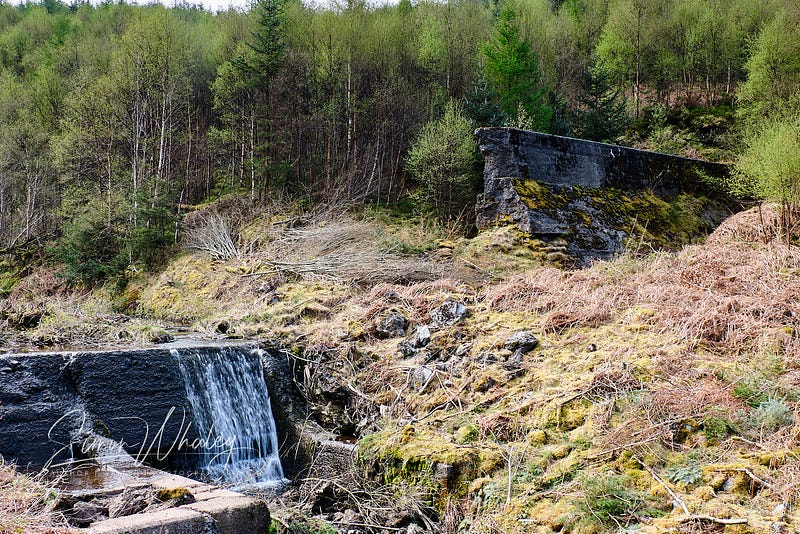
You can reach Nant Y Gro dam from the Elan Valley Visitor Centre. Take the path to the bottom of Caban Coch, cross the stone bridge, and then follow the stepped path up the other side of the valley to the top of Caban Coch. A path runs along the top of the reservoir, round to the remains of the Nant y Gro dam.
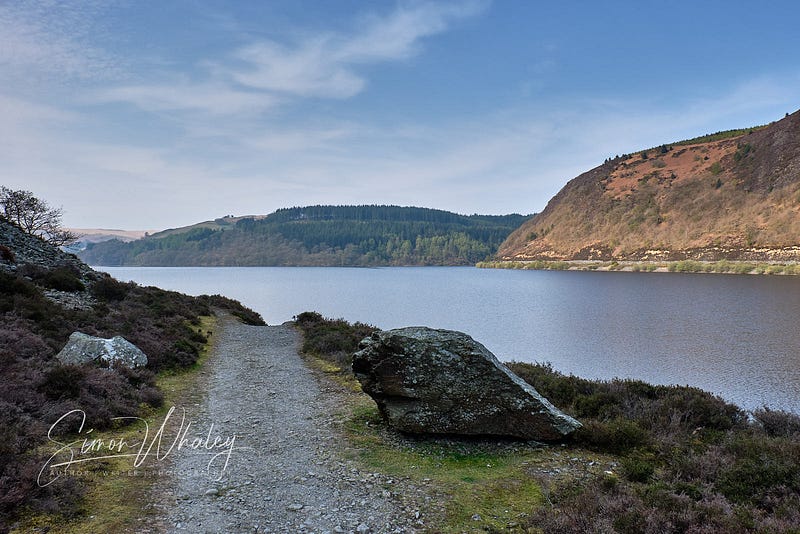
Barnes Wallis blew it up. This was the dam that made him realise where the explosion needed to take place to have the maximum chance of destroying the dam (in the middle, just beneath the water). Nant Y Gro dam is when Barnes Wallis realised they needed to make a bouncing bomb.
Yes, the Elan Valley is a special place at any time of year. But in winter, Mother Nature has a way of demonstrating just how forceful she can be, when she helps the dam walls come alive to the sounds and sights of cascading water.


