
Swimming Lessons from Sharks: The Secret of Speed in Hairy Legs

Hello, fellow shark people! Fins up everybody! Today, we’re diving into a topic that intertwines the fascinating world of nature with the competitive realm of swimming. Have you ever wondered why swimmers shave their bodies down to zero before a big race? It’s all about reducing drag and maximizing speed. But what if I told you that a bit of stubble could technically help you out?
The Shark Connection: More Than Just a Predator
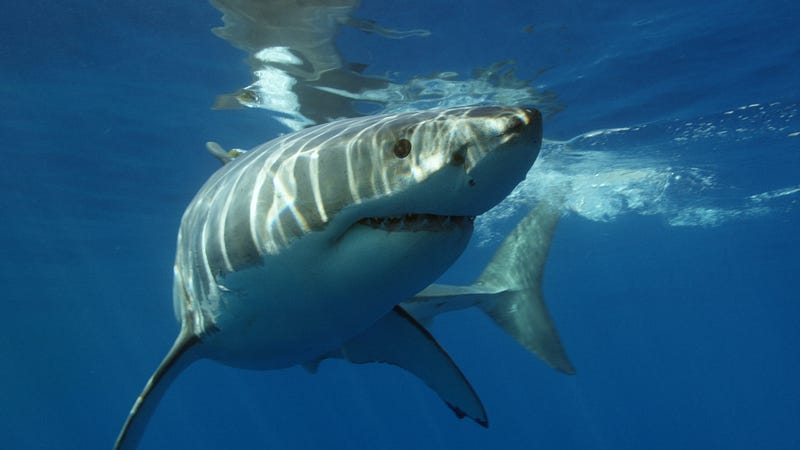
Let’s take a detour and talk about sharks. Yes, you read that right, sharks. These magnificent creatures of the sea are not just apex predators; they are marvels of evolution. Their skin, in particular, is a masterpiece of natural engineering. Unlike our smooth skin, shark skin is covered in tiny tooth-like structures called denticles. These denticles reduce drag and increase swimming speed, allowing sharks to be efficient hunters in the water.
But the marvel of shark skin doesn’t stop at the ocean’s surface. It has inspired the design of swimsuits used in competitive swimming, as well as the surface design of boats and submarines. Let’s dive deeper into some groundbreaking research that explores this phenomenon.
Groundbreaking Research: Shark Skin and Speed
In a study titled “Biomimetic shark skin: design, fabrication and hydrodynamic function” by L. Wen, J. Weaver, and G. Lauder, the researchers created a synthetic, flexible, shark skin membrane and tested its hydrodynamic properties. They found that compared to a smooth control model, the 3D printed shark skin showed increased swimming speed with reduced energy consumption under certain conditions 1. This suggests that the unique texture of shark skin can be replicated and used to enhance performance in water.
In another study, “The hydrodynamic function of shark skin and two biomimetic applications” by J. Oeffner and G. Lauder, the researchers found that shark skin membranes showed a mean 12.3% increase in swimming speed compared to the same skin foils after removing the denticles2. This indicates that the denticles on shark skin play a significant role in reducing drag and increasing speed. Shark Skin in Modern Technology
The unique properties of shark skin have found their way into modern technology. The Speedo Fastskin swimsuits, used in competitive swimming, were inspired by the texture of shark skin. These swimsuits have been designed to mimic the drag-reducing properties of shark skin, allowing swimmers to move faster in the water.
In addition, the surface design of boats and submarines has also been influenced by shark skin. The denticles on shark skin disrupt the flow of water, reducing drag and increasing speed. By mimicking this texture, boats and submarines can move more efficiently in the water.

Let’s Reel in the Conclusion
As we continue to delve into the marvels of shark skin, we unlock new avenues for competitive swimming and marine technology. While we make leaps and bounds in technology, we must remember the wisdom inherent in nature that has been honed over millions of years. The future is not just about silicon and circuits; it’s also about scales and denticles.
So, the next time you’re about to dive into the pool, remember that somewhere in the vast ocean, a shark is effortlessly slicing through the water, its unique skin a testament to nature’s ingenuity. Perhaps it’s time we took a leaf out of the shark’s book. After all, they’ve been acing the swimming game for millions of years without any high-tech gear!
Your support has been instrumental in my journey, and I’m truly grateful for it.
- Stay connected and receive updates directly in your inbox, by subscribing to my email list
- How I express myself musically? Give it a listen:
Sources:
- Wen, L., Weaver, J., & Lauder, G. (2014). Biomimetic shark skin: design, fabrication and hydrodynamic function. Journal of Experimental Biology, 217(10), 1656–1666.
- Oeffner, J., & Lauder, G. (2012). The hydrodynamic function of shark skin and two biomimetic applications. Journal of Experimental Biology, 215(5), 785–795.


