
D-Day Tribute to the Brave Heroes of Normandy
Book Review on ‘D-Day: The Battle for Normandy’
What is D-Day?
What Happened on June 6, 1944?
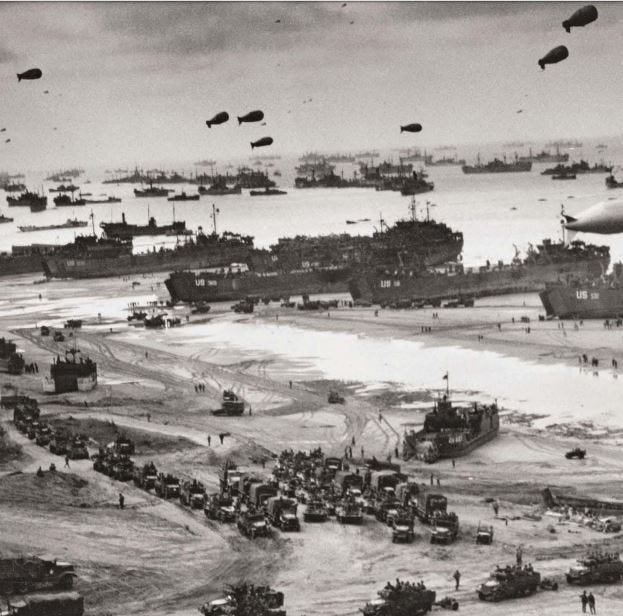
Well, in the timeline of Word War history, the date and year June 6, 1944 has distinctive place. The day, June 6, is unlike any other day of the year. This key day is also known as D-Day. On that very day, the Allied forces scrambled and launched human history’s largest offensive amphibious landing operation at the northern littoral area of the Nazi-occupied France, which is well known as ‘Normandy’.
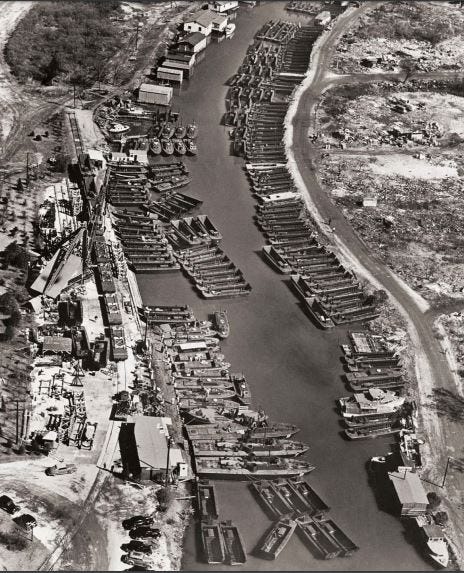
The D-Day landing at Normandy happened at such juncture during the Second World War when the Nazi-led Axis Forces were about to take over nearly whole of the Europe. The landing at Normandy outset the beginning to free north-western part of Europe from the clutch of the Nazis.
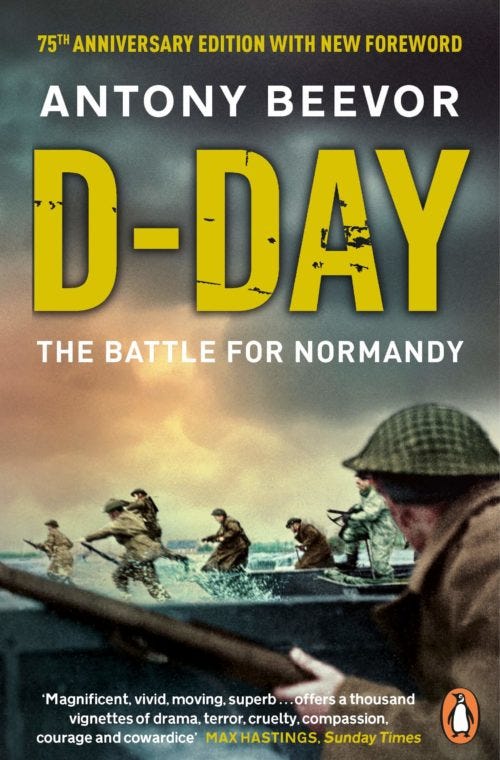
Historian Antony James Beevor in his book, D-Day: The Battle for Normandy (2009) offers touching chronicles on the D-Day invasion operation. The book is quite densely written and it covers topics from the decision behind landing to the sealing off the invasion area, airborne assault, securing beachheads, and the liberation of Paris. However, as a British military historian, Antony James Beevor’s style of narration is quite fascinating and this book sets a precedent.
To author of the book, the events are viewed as a segment of the much larger episode of a campaign. Hence, author tells the events of the D Day chronologically, from prior D-Day to August of 1944, beginning with events in Britain to the eleventh-hour decision to outset the amphibious offensive landing, to the liberation of the Nazi-Occupied Paris. As a result, readers would find that the gripping narration hops ceaselessly backward and forward between Normandy, London, Berlin and occupied Paris.
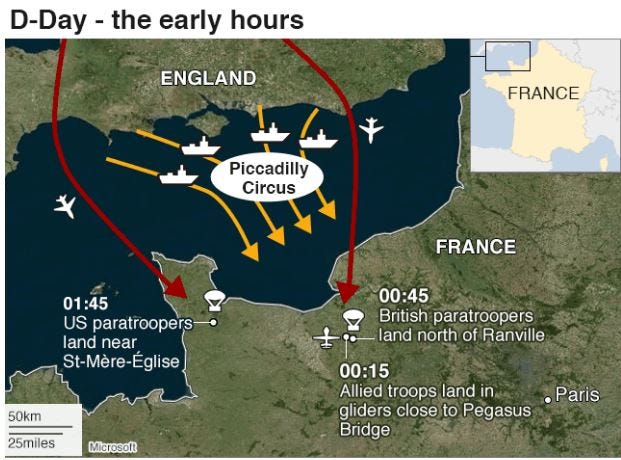
The first page of the book starts off with the maelstrom of events at the ‘Southwick House’, the erstwhile headquarter of the Naval Commander in Chief of the Invasion of Europe.
“In peacetime, Southwick could have been the setting for an Agatha Christie house party, but the Royal Navy had taken it over in 1940. Its formerly handsome grounds and the wood behind were now blighted by rows of Nissen huts, tents and cinder paths. Southwick served as the headquarters of Admiral Sir Bertram Ramsay, the naval commander-in-chief for the invasion of Europe, and also as the advanced command post of SHAEF, the Supreme Headquarters Allied Expeditionary Force. Anti-aircraft batteries on the Portsdown ridge were positioned to defend it as well as the dockyards below from the Luftwaffe.”
(D-Day: The Battle for Normandy by Antony Beevor (2009))
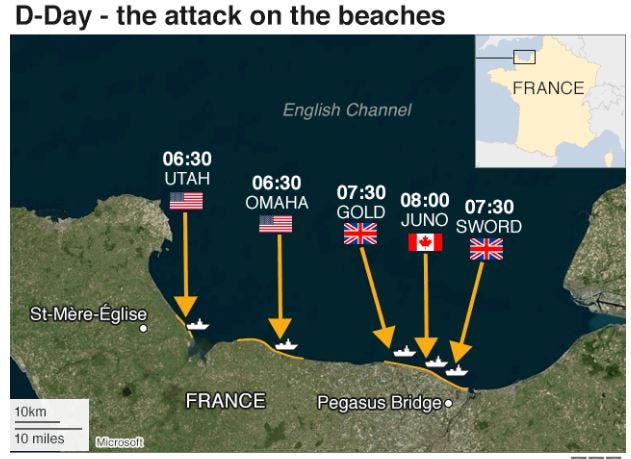
The chapters of the book chronologically enumerate, obviously with marvelous vigor and flair, that how the Allied offensive invasion plan had rolled on from ‘landing the coasts of Normandy’ to the ‘liberation of the Nazi-Occupied Paris’.
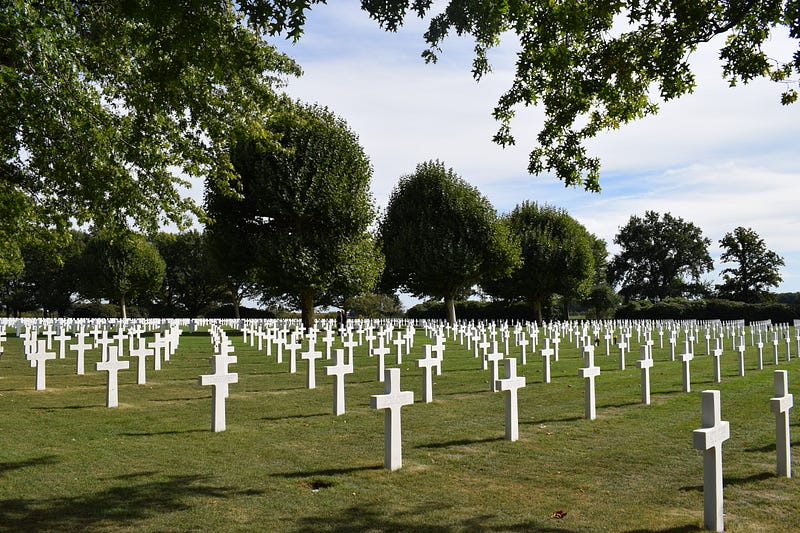
Often it happens with historical events narration that one may run through the risk of being too much one-sided or self-centered. But this book is an exception from that. The book explores into such areas that other history books on the D-Day have not yet explored deeply enough. Antony Beevor’s exhaustive research, careful analysis on various political and strategic decisions and events are garnered from memoirs and diary logs from the personnel of the both sides (i.e., the Allied and the Axis Forces). This paves unruffled thoughtful reflections and well oriented, meticulous narration of the D-Day events. Author takes the readers deep inside the whirlpool of incidents of the D-Day battle.
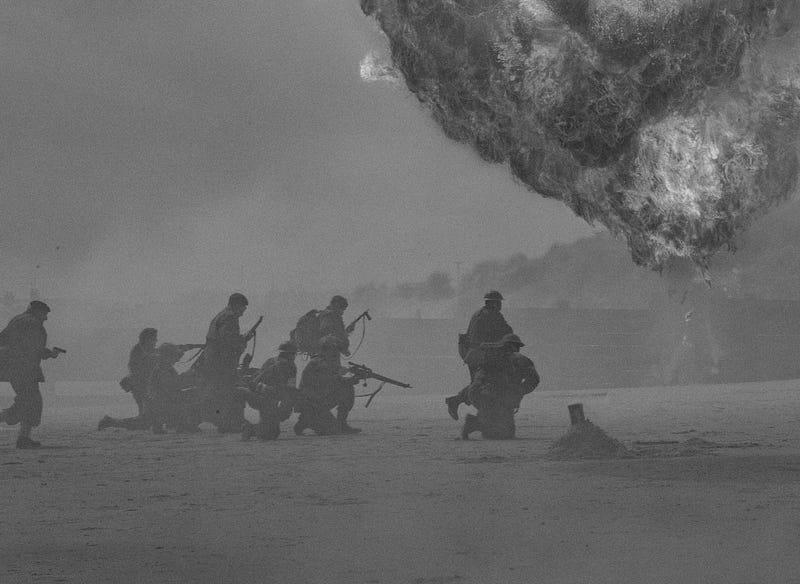
“The most serious attack reached the centre of Sainte-Mère-Eglise during the afternoon of 7 June.An artillery officer from the 4th. Division, arriving by Jeep, reported on what he saw: ‘17.00 hours went into Sainte-Mère-Eglise by Jeep from the south. Tank battle going on. Flame throwers. Saw a German soldier, a “human torch”, crawl to the center of the street from the side when a German [panzer] rolled right over him squashing him flat and extinguishing the flames at the same time. American tanks destroyed most of the German tanks, for the loss of three of their own. Fighting moved northwards. Saw a sunken road north of the town which the German tanks had used and also crushed some of their own dead. Part of 8th Infantry took this road and used it for their own defense that night. They had to pull the German bodies aside to dig their foxholes and several of them fell to pieces.’”
(Chapter 11, D-Day: The Battle for Normandy (2009)).
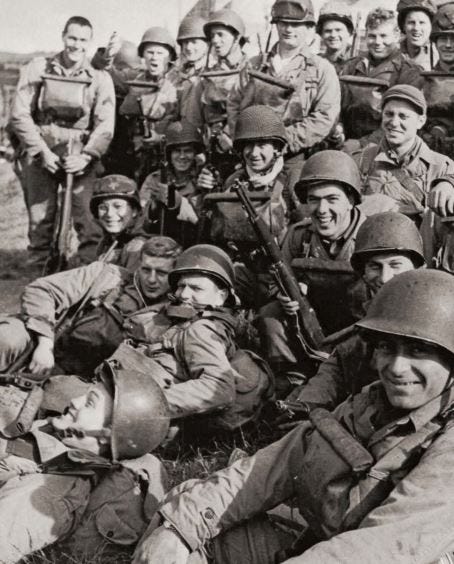
To a bookish person, a book review on the enduring legacy of the D-Day is not any simple review, rather it is the best and ideal way for a reader to remember the historic event and also to pay homage to the dauntless brave heroes. Every page of the book under review makes me comprehend that what I have been reading, is not simply any historical narrative. Author’s excerpts from diaries and soldiers’ letters truly feel me to remember the past to learn for its lessons and outcomes. The D-Day reverberates the conscience that there is form of accountability and duty towards those brave heroes of the D-Day who were dauntless to give their lives for us. We cannot simply overlook the lessons learnt from the event.
This book of Antony Beevor on the D-Day is the best of the best of its dynamic kind that has published ever in recent decades.