avatarFreda Savahl

Free AI web copilot to create summaries, insights and extended knowledge, download it at here

1618

Abstract

m mouse egg cells and replaced them by injecting nuclei taken from adult mouse cumulus cells which play a role in egg maturation.</p><p id="bece">Then he implanted these special eggs into surrogate female mice.</p><p id="6f53">After several failed attempts, Wakayama succeeded with the birth of a healthy female mouse pup! He named her Cumulina.</p><p id="c0c2">Wakayama was celebrated internationally for his achievement. Today he is a professor at the University of Yamanashi in Japan.</p><p id="a48a">After Cumulina, the scientist made 84 more cloned mice.</p><p id="f190">The literature reveals that scientists have cloned more than 20 types of animals, with mice being the most abundantly cloned animals in the world.</p><p id="fad0">In the 1990s, cloning failed when research scientists generated human organs from cloned cells to replace the failing organs in a human.</p><p id="0365">Fortunately, the early work on successful animal cloning contributed to advances in stem cell technologies that help scientists explore regenerative medicine & research pharmaceuticals.</p><p id="8b5f">An article on smithsonianmag.com/embryo by Biologist Beth Shapiro indicates that science could use DNA to resurrect extinct animal species.</p><p id="085c"><i>Well, now I say, ‘let sleeping dogs lie. I do not want to see a woolly mammoth walking around’!</i></p><h2 id="3b5b">Here we have a short YouTube video of Cumulina heading to the Smithsonian in Washington D. C. WATCH if you have time!</h2> <figure id="f8ef"> <div> <div> <img class="ratio" src="http://placehold

Options

.it/16x9"> <iframe class="" src="https://cdn.embedly.com/widgets/media.html?src=https%3A%2F%2Fwww.youtube.com%2Fembed%2FQAWc7I1QYkw%3Ffeature%3Doembed&amp;display_name=YouTube&amp;url=https%3A%2F%2Fwww.youtube.com%2Fwatch%3Fv%3DQAWc7I1QYkw&amp;image=https%3A%2F%2Fi.ytimg.com%2Fvi%2FQAWc7I1QYkw%2Fhqdefault.jpg&amp;key=a19fcc184b9711e1b4764040d3dc5c07&amp;type=text%2Fhtml&amp;schema=youtube" allowfullscreen="" frameborder="0" height="480" width="854"> </div> </div> </figure></iframe></div></div></figure><h2 id="b8f7">Thank you, readers, for your reads & responses.</h2><p id="b4db"><i>Source: <a href="https://www.smithsonianmag.com/smithsonian-institution/mouse-squeak-history-science-180980041/">https://www.smithsonianmag.com/smithsonian-institution/mouse-squeak-history-science-180980041</a></i><a href="https://www.smithsonianmag.com/smithsonian-institution/mouse-squeak-history-science-180980041/">/</a></p><p id="768b"><i>Source:<a href="https://www.hawaii.edu/news/2022/05/23/cumulina-named-national-treasure/">https://www.hawaii.edu/news/2022/05/23/cumulina-named-national-treasure/</a></i></p><p id="114f"><b>Become a Medium member for only $5 (US) a month!</b></p><p id="9140">Read every article from Freda Savahl (and thousands of other writers on Medium). Your membership fee directly supports other writers you read as well as myself. You’ll get full access to every photograph, story, and poem on Medium. It will also give you an excellent platform to publish and earn from your pieces, poetry, photos, and reports on Medium.</p></article></body>

Cumulina,

is the mouse that made scientific history!
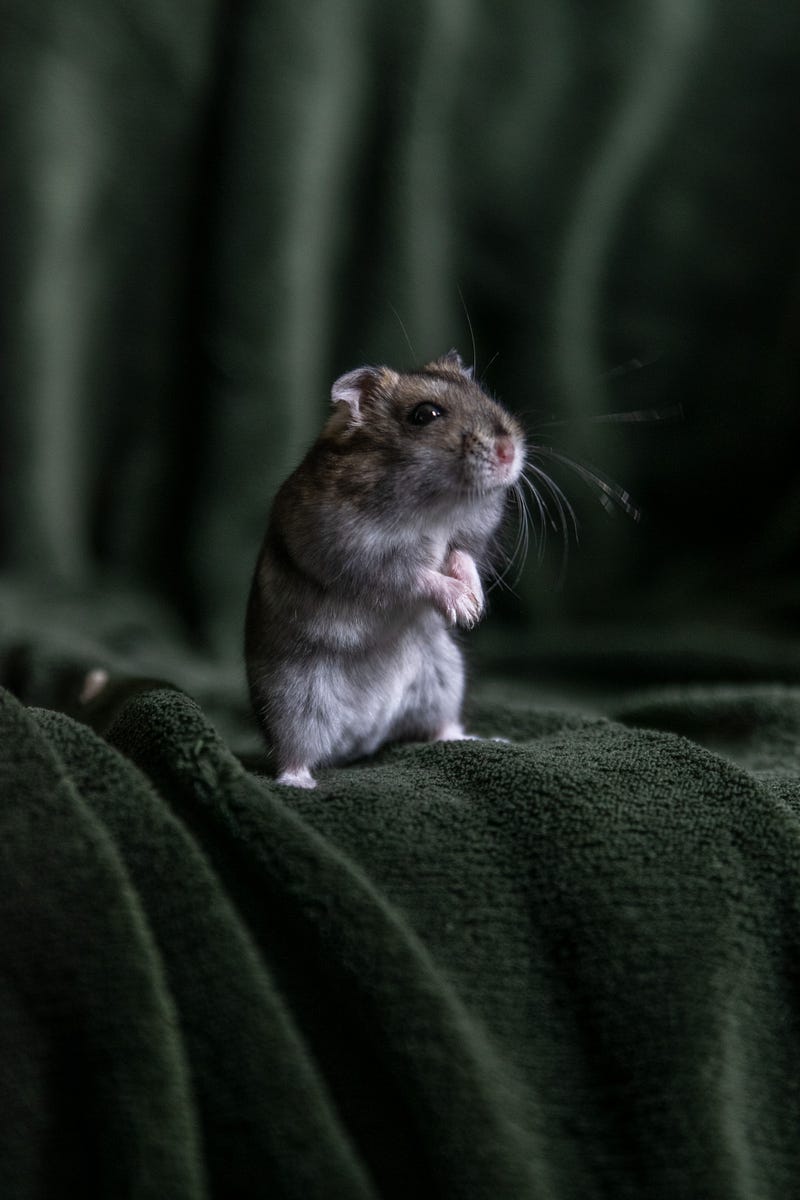
Photo by Frenjamin Benklin on Unsplash

At the Smithsonian National Museum of American History,

we see the taxidermist specimens of two mice, namely,

Cumulina,

the first successfully cloned mouse died on May 5, 2000, at the age of two years (equivalent to over 90 in human years.)

OncoMouse,

the world’s first patented genetically modified animal, one mouse that scientists used for cancer research.

We will discuss Cumulina’s story here:

Cumulina was born on October 3, 1997, at the Department of Reproductive Biology at the University of Hawaii.

Her birth captured international headlines and shocked scientists & the public, raising ethical questions about the possibility of human cloning.

Her birth occurred 15 months after Dolly the cloned sheep. For the scientists, this was a breakthrough in biomedicine.

The scientist, Teruhiko Wakayama, Yanagimachi’s researcher, worked diligently in the lab to create a mouse clone.

So how was this accomplished?

The scientist removed nuclei from mouse egg cells and replaced them by injecting nuclei taken from adult mouse cumulus cells which play a role in egg maturation.

Then he implanted these special eggs into surrogate female mice.

After several failed attempts, Wakayama succeeded with the birth of a healthy female mouse pup! He named her Cumulina.

Wakayama was celebrated internationally for his achievement. Today he is a professor at the University of Yamanashi in Japan.

After Cumulina, the scientist made 84 more cloned mice.

The literature reveals that scientists have cloned more than 20 types of animals, with mice being the most abundantly cloned animals in the world.

In the 1990s, cloning failed when research scientists generated human organs from cloned cells to replace the failing organs in a human.

Fortunately, the early work on successful animal cloning contributed to advances in stem cell technologies that help scientists explore regenerative medicine & research pharmaceuticals.

An article on smithsonianmag.com/embryo by Biologist Beth Shapiro indicates that science could use DNA to resurrect extinct animal species.

Well, now I say, ‘let sleeping dogs lie. I do not want to see a woolly mammoth walking around’!

Here we have a short YouTube video of Cumulina heading to the Smithsonian in Washington D. C. WATCH if you have time!

Thank you, readers, for your reads & responses.

Source: https://www.smithsonianmag.com/smithsonian-institution/mouse-squeak-history-science-180980041/

Source:https://www.hawaii.edu/news/2022/05/23/cumulina-named-national-treasure/

Become a Medium member for only $5 (US) a month!

Read every article from Freda Savahl (and thousands of other writers on Medium). Your membership fee directly supports other writers you read as well as myself. You’ll get full access to every photograph, story, and poem on Medium. It will also give you an excellent platform to publish and earn from your pieces, poetry, photos, and reports on Medium.

Scientific Research
Mouse
Cloning
Reproductive Science
University Of Hawaii
Recommended from ReadMedium