
Cultural Clun Valley
The Shropshire valley that inspired some of Britain’s greatest writers
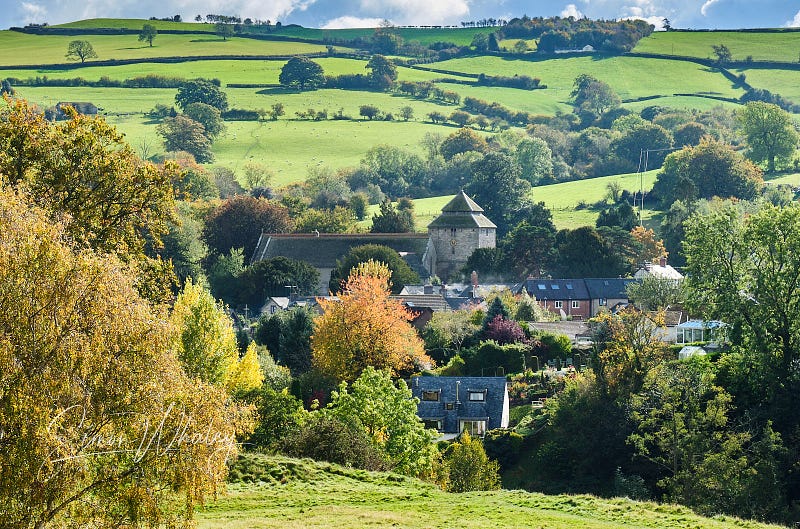
Shropshire’s Clun Valley is surprisingly quiet.
But I’m not the first to notice. In 1896, the poet A E Housman published a collection of poems titled A Shropshire Lad and in it, he wrote:
“Clunton and Clunbury,
Clungunford and Clun
Are the quietest places
Under the sun.”
Housman’s description was pretty accurate — not bad considering he wrote it while living in London before he’d even visited Shropshire!
But if Housman were to drive through the Clun Valley today, he’d feel right at home.
One road explores the valley in its entirety. The B4368 takes me westwards, from the small Shropshire market town of Craven Arms, through the valley towards Wales. Within minutes, it enters the Shropshire Hills Area of Outstanding Natural Beauty, and the village of Aston on Clun.
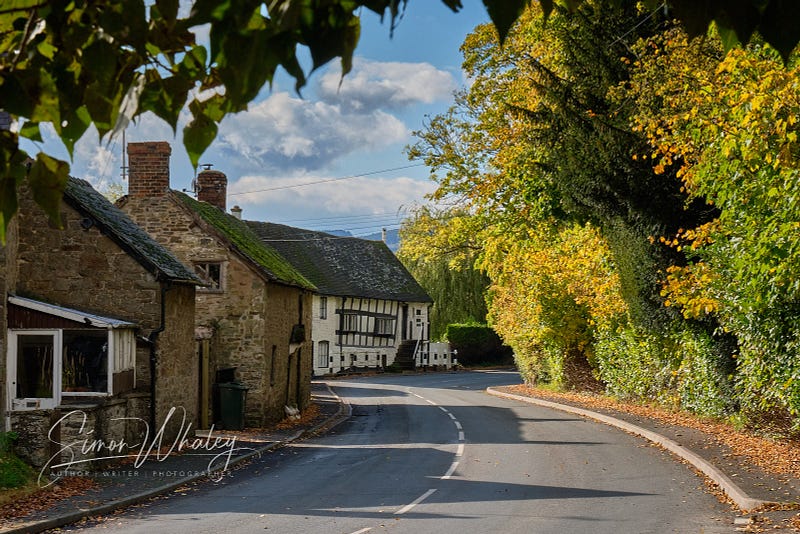
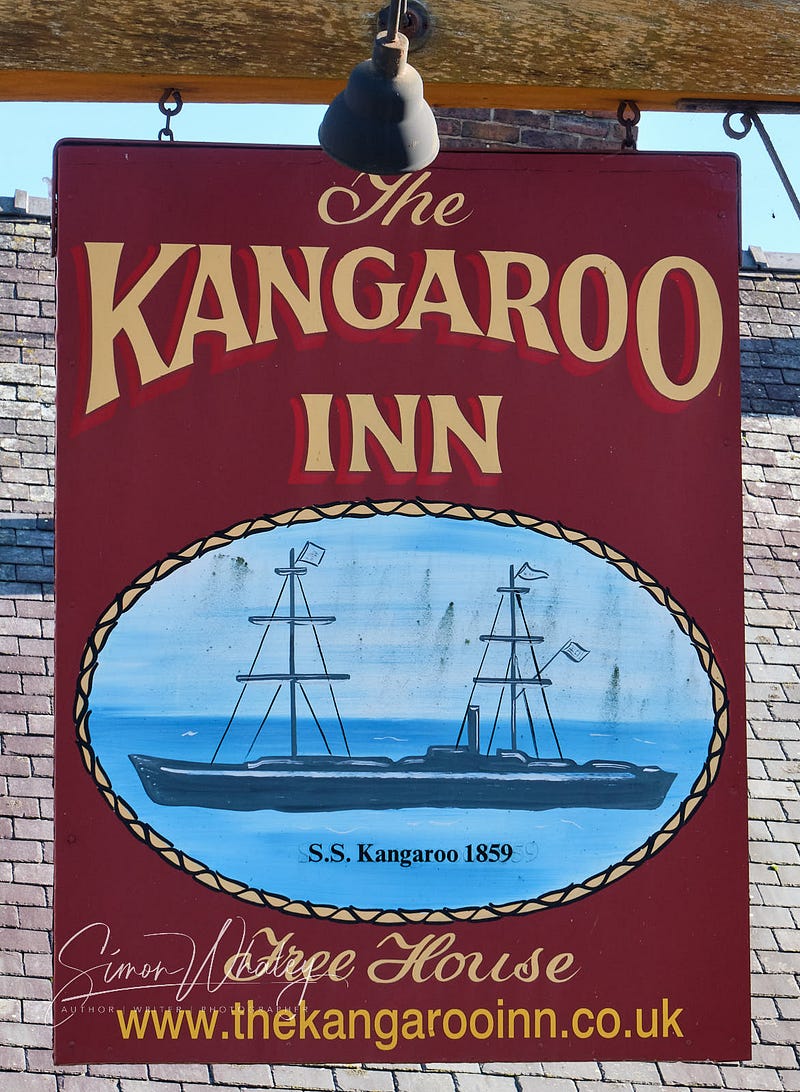
This small hamlet of about 300 people has a pub called The Kangaroo Inn. It’s not named after any strange marsupials mysteriously roaming the area, but reputedly after the SS Kangaroo, a ship that plied the Atlantic between 1856 and 1869. Why this inland pub is named after a ship remains a mystery.
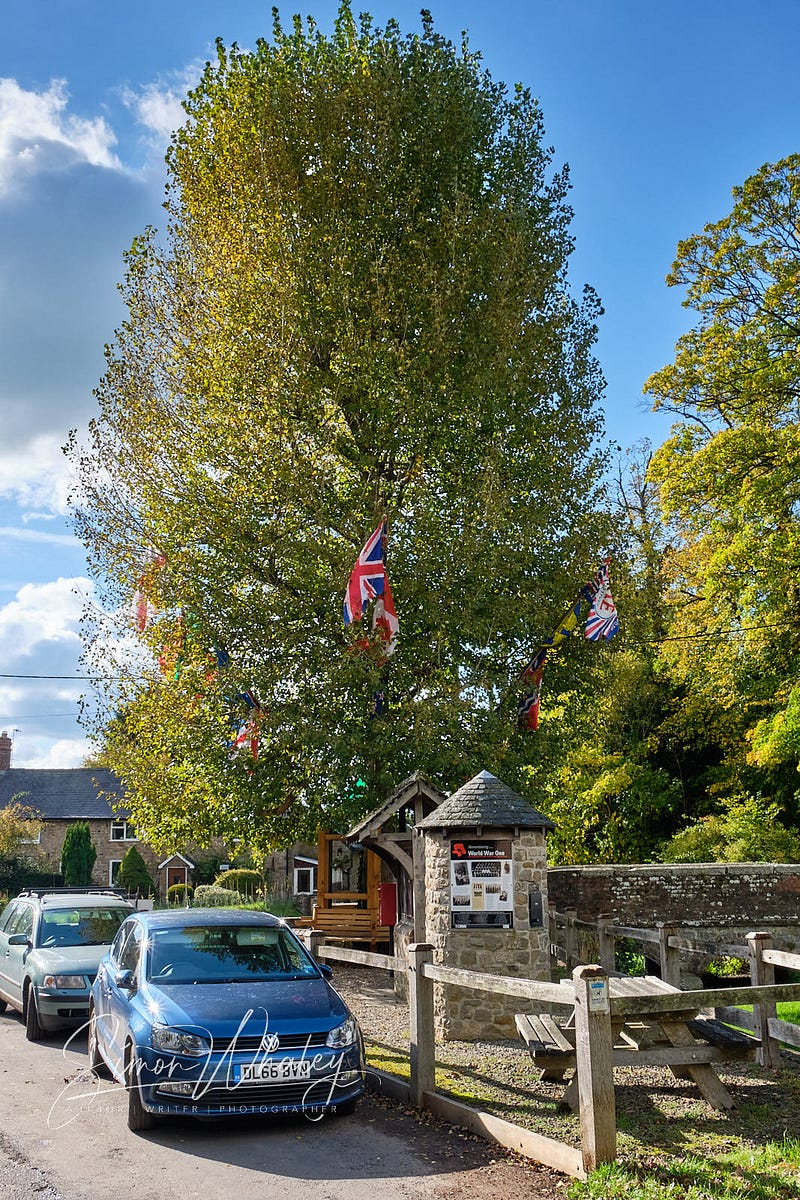
What’s not a mystery is Aston’s Arbor Tree. Standing in the centre of the village is a large poplar tree with numerous local and international flags fluttering between its branches.
Aston on Clun is one of the few villages in Britain still commemorating Arbor Day or Oak Apple Day. Tree dressing became popular in 1660 when Charles II declared 29th May a public holiday.
The holiday was later abolished in 1859, but residents here continued the tradition because it also marks the wedding anniversary of the local squire in 1786 when John Marston married his bride, Mary Carter.
There’s a carnival atmosphere, with Morris dancing, music and processions, and there’s a re-enactment of John Marston’s wedding. Had AE Housman visited on Arbor Day he might not have found it as quiet as he imagined it would be!
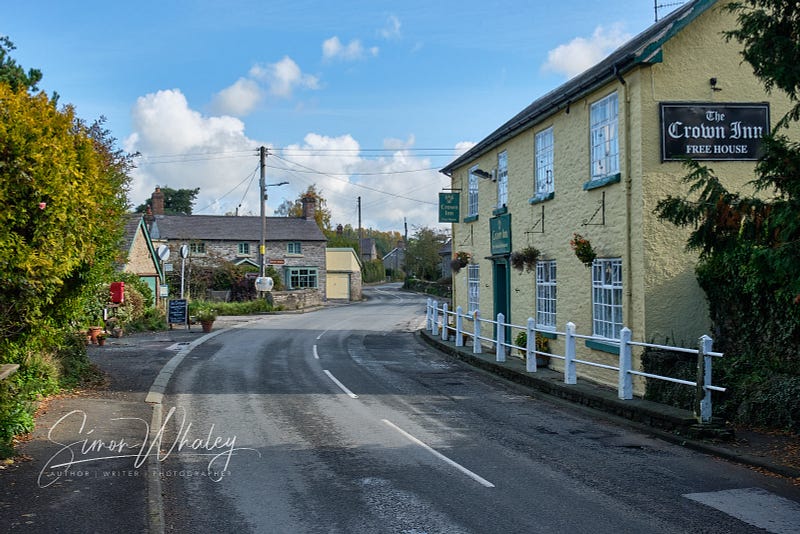
From here, the B4368 runs alongside the River Clun. Heading upstream, the road bypasses the village of Clunbury and heads towards the hamlet of Clunton, at the foot of Clunton Hill. Clunton is definitely quiet today, with hardly a soul about.
But it hasn’t always been like this. From here, I take a steep, narrow lane up Sunnyhill to a car park.
There’s more climbing, this time on foot, but I have the place to myself. Told you it was quiet round here.
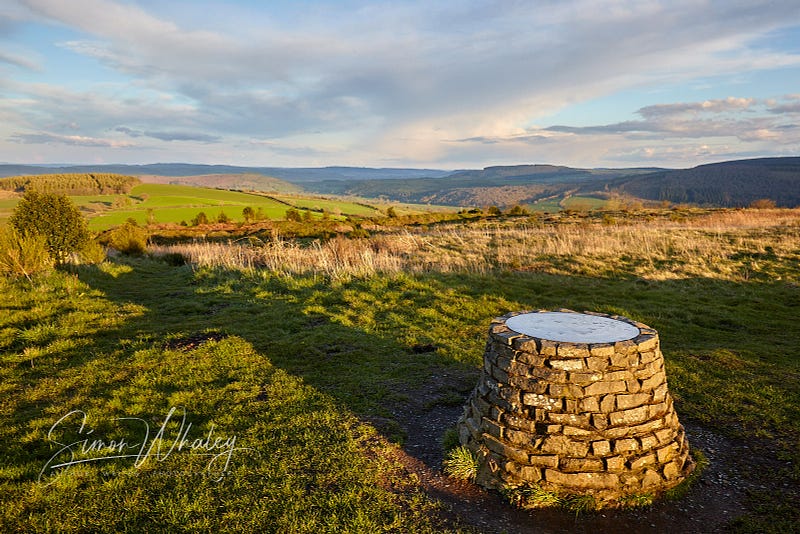
Ten minutes later, I’m on top of Bury Ditches. This is one of the best-preserved ancient hill forts in Britain. It dates back to 500BC, when it was home to a large community, substantially larger than the 250 residents of today’s Clunton.
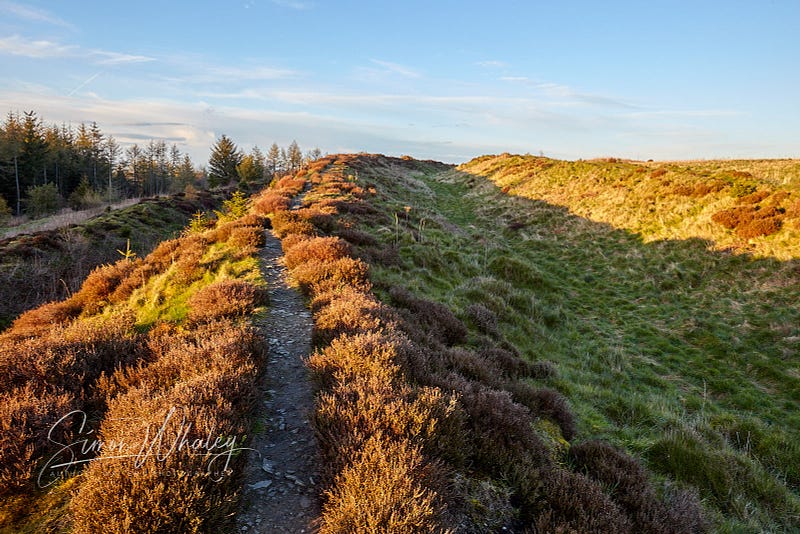
There are four huge earth ramparts to climb through to reach the toposcope on the summit. But the climb is worth it.
The views are beautiful! They stretch across towards Titterstone Clee Hill in the east, to the Long Mynd in the north, and to the rolling Welsh hills in the west. When the sun sets, many of these tree-covered rounded summits take on a bluey-tinge in the fading light.
AE Housman was captivated by this and immortalised these hills in A Shropshire Lad:
“What are those blue remembered hills,
What spires, what farms are those?”
Although these may be Housman’s blue-remembered hills, the next hill on my tour is not blue, but black. Well, that’s the name of it — Black Hill. Returning down the lane to Clunton, I cross over the B4368 onto another narrow, twisty lane to a collection of houses called Cwm.
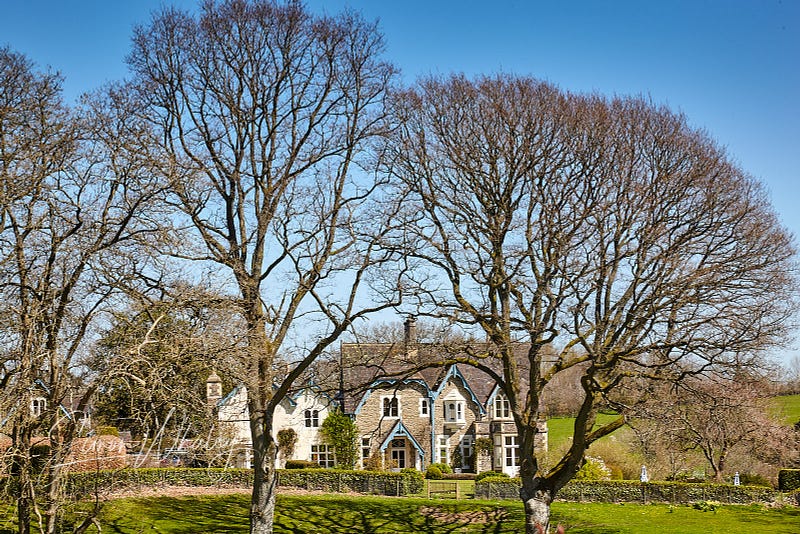
The novelist, Bruce Chatwin stayed at Cwm Hall in the 1970s and this is where he reputedly wrote the opening chapters of his famous novel On The Black Hill about twin brothers, Lewis and Benjamin Jones.
Perhaps it was the hill opposite, Black Hill, that inspired his title. A footpath heads up from the lane to its summit, but I’ll leave that for another day.
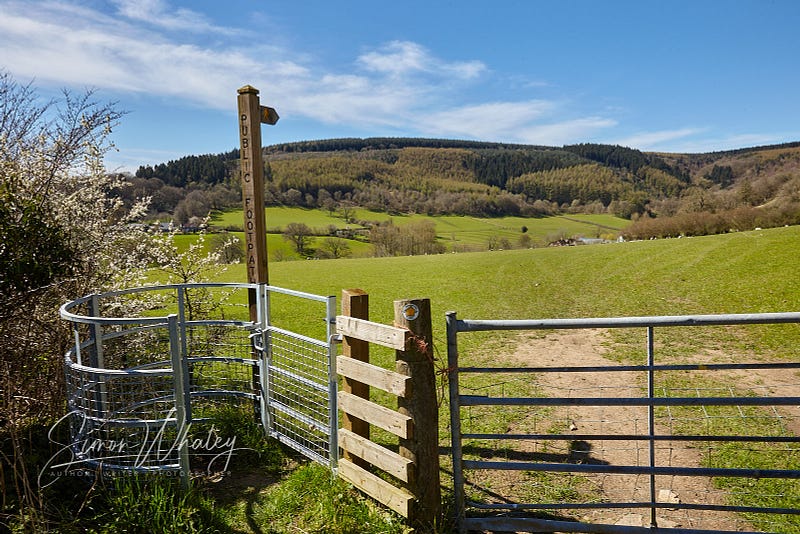
Back on the B4368, and the Clun valley narrows, as the road and the river are sandwiched between the hills of Radnor Wood and Soudley Wood.
On the lower slopes of Soudley Wood is a large property called The Hurst. This is where John Osborne, who wrote Look Back in Anger, lived until his death in 1994. He often declared he had the best view in England from here.
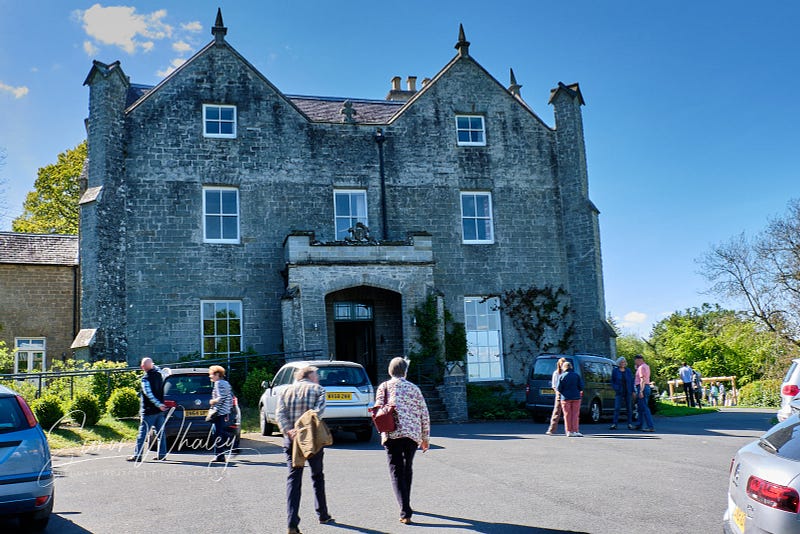
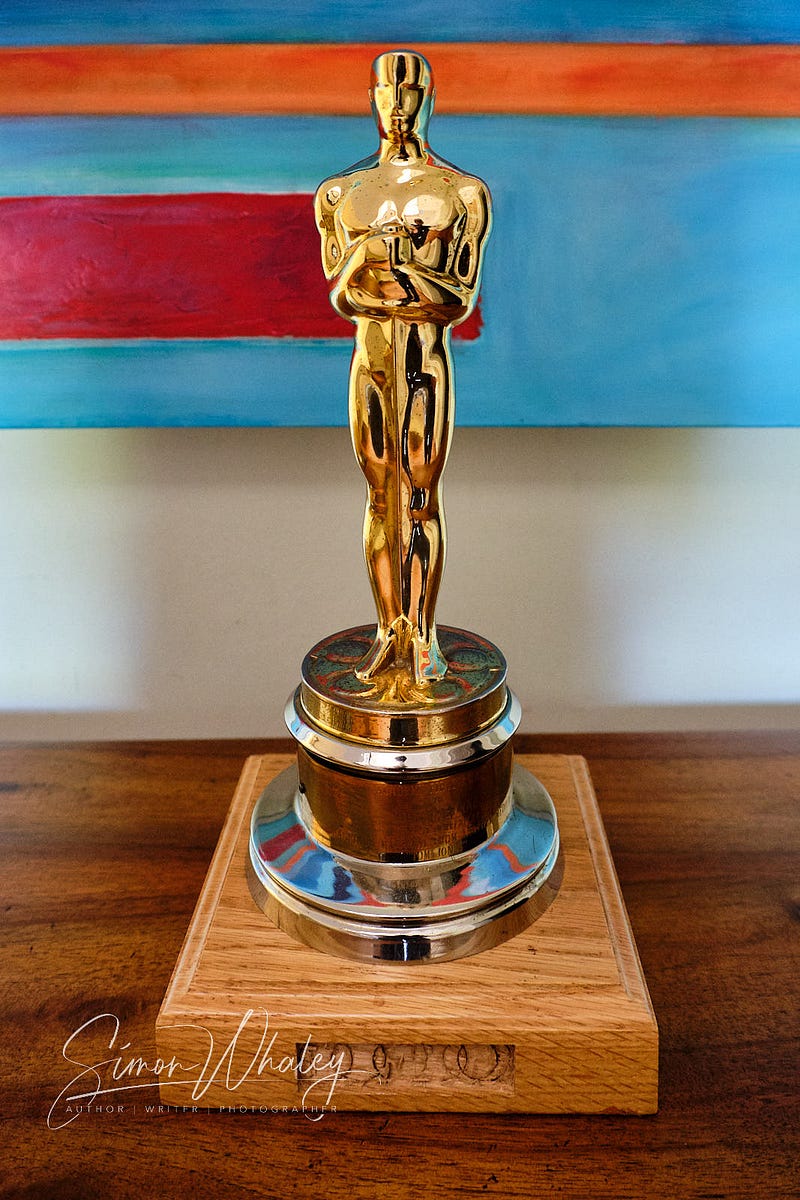
Today, The Hurst continues its literary inspiration, operating as a writers’ centre where residential writing courses are held, with some of Britain’s top writers teaching here. Occasionally, for charitable events, it throws open its doors to the public and, if you’re lucky, you may catch a glimpse of the Oscar statue Osborne won in 1963.
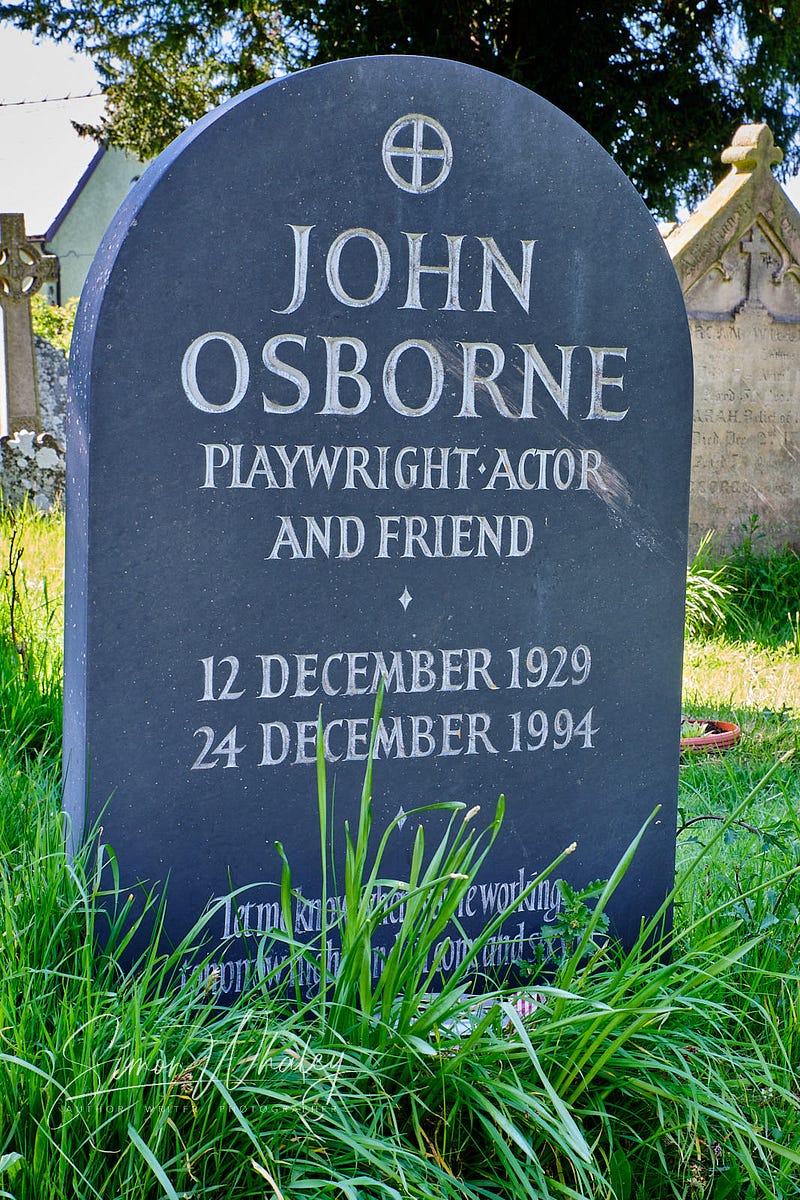
John Osborne is buried just over a mile away, in the grounds of St George’s Church in Clun.
Clun grew up in the 7th century on the banks of the River Clun. There are two crossings. One is a ford, which can be driven through when water levels are low enough. The other is an arched stone packhorse bridge built in 1450, which today carries the main road across it … albeit with one-way traffic because it’s rather narrow!
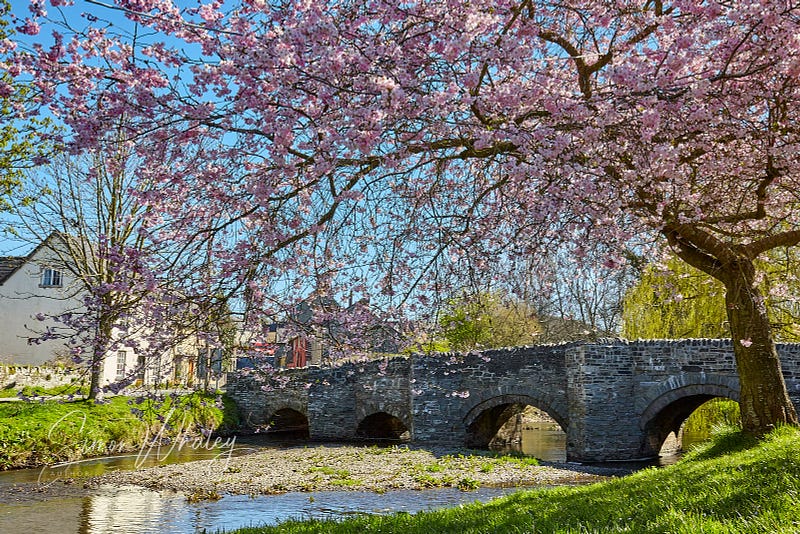
The small car park beside the bridge is the perfect place from which to explore this idyllic village, once proclaimed by the Campaign to Protect Rural England as one of the most tranquil places in Britain. I’m sure AE Housman would agree.
A small wooden footbridge crosses the river and a path climbs the steep earth embankments of Clun Castle.
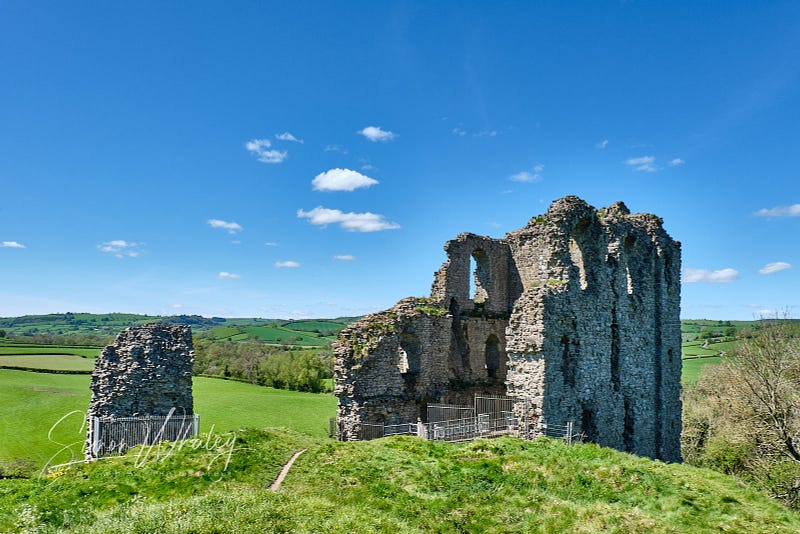
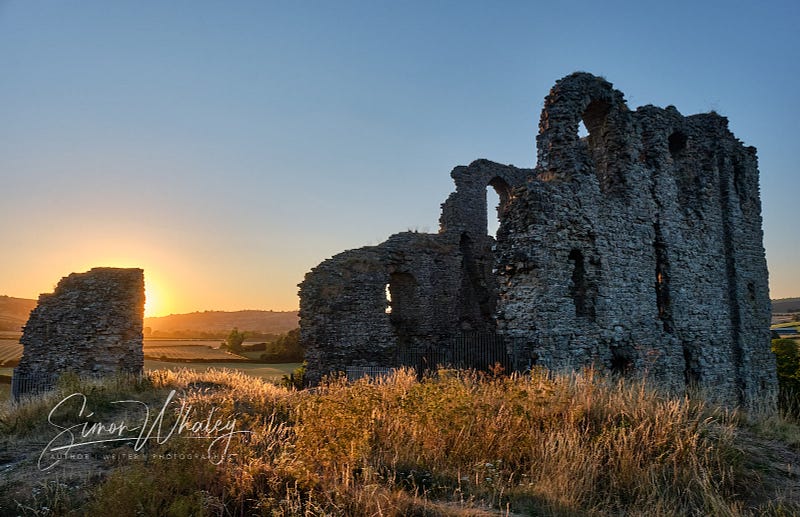
In fact, the River Clun acts like a moat, and from the rather romantic remains of the ruined 12th century stone walls, it offers a fine vantage point up the valley towards Wales. As one of several castles along the Welsh Borders, it played a key role in protecting England from Welsh attacks.
It was once owned by the Fitzalan family, who turned the castle into a hunting lodge in the 14th century. Ultimately, though, they abandoned the castle, opting for their other, more luxurious, castle at Arundel on the south coast, instead.
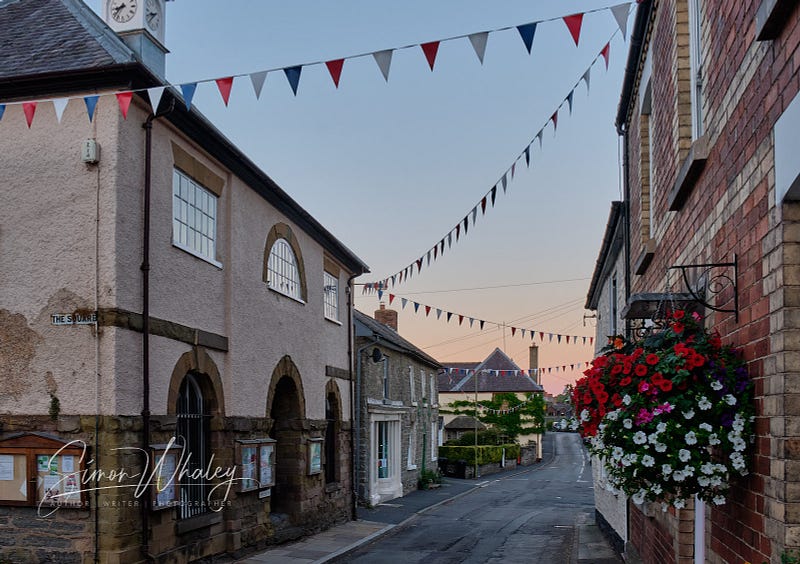
Clun is a marvellous rabbit warren of tiny lanes and quaint cottages, and it also has its own literary claim to fame. In 1910, novelist E M Forster visited the village and used it for the inspiration of his fictional town of Oniton in Howard’s End.
He’s not the only author to have been inspired here. Sir Walter Scott used Clun Castle as the setting for his 1825 novel, The Betrothed.
Hiding down Hospital Lane are Trinity Hospital Almshouses. Although the almshouses are private residencies, the grounds are open to the public and are a tranquil discovery. AE Housman would have felt at home here.
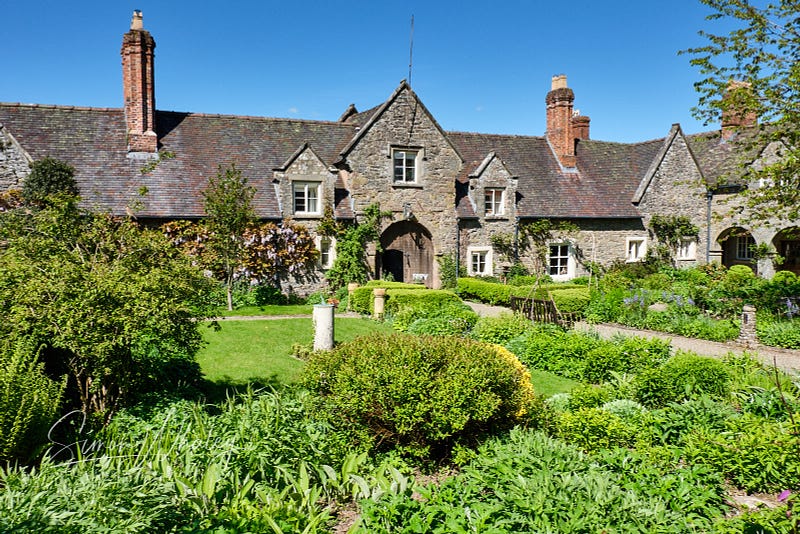
These almshouses were built in 1614 by the Earl of Northampton for twelve men of good character. Good doesn’t mean boring, though, for in the grounds are two statues to a couple of the previous residents — Joe Weale and Billy Cantie.
Joe Weale was known locally as Joe the Bear, because of a time when he fought with a dancing bear at Knighton Fair. Local schoolchildren also gave him a wide birth, for he enjoyed tripping them up with the hook of his walking stick.
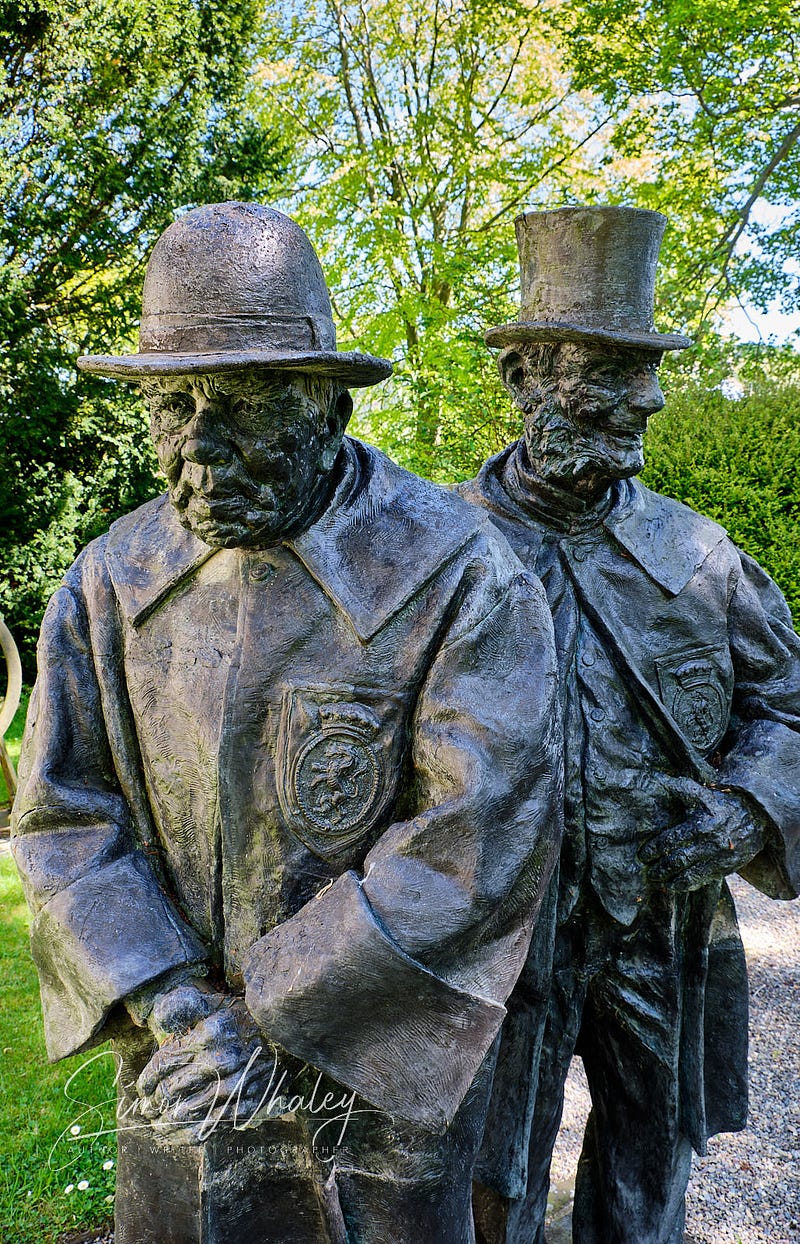
Billy Cantie was also known as a loveable rogue. He even featured on a postcard.
Three miles further up the valley, where the River Clun is barely a few feet wide, except after the harshest of downpours, is Newcastle on Clun.
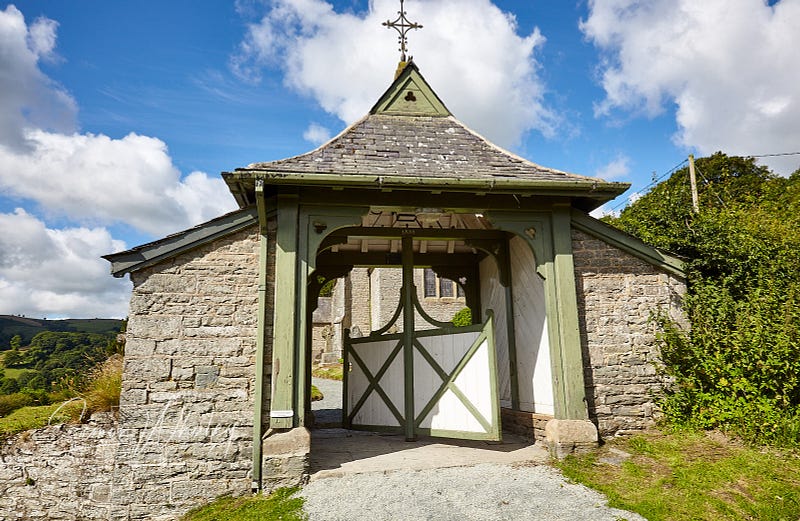
On the outskirts of this hamlet is St John’s Church, where electric lighting was installed as a memorial to the First World War. Its lychgate is also rather unusual. Instead of being hinged, it revolves on a central column.
But I’ve come to find a particular spot here in the Clun Valley. For although the Welsh border is another six miles westwards, there’s another border feature that can be found nearby.
The 8th-century earthwork, Offa’s Dyke, passes just to the east of the village, which today also forms part of the Offa’s Dyke National Trail long-distance footpath.
Stretching from Chepstow in the south, all the way along the English/Welsh border to Prestatyn in the north, the trail passes one of the Clun Valley’s other claims to fame, just outside of Newcastle.
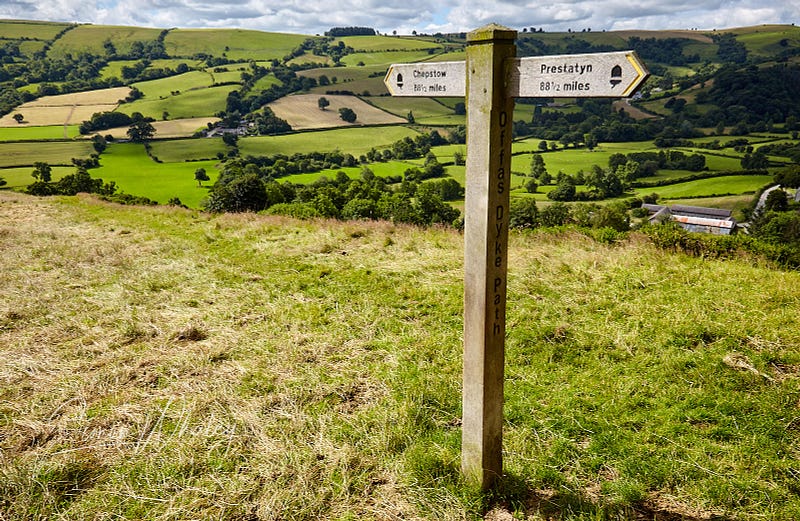
Climbing the steep slopes of Graig Hill, I reach the national trail’s halfway point. It’s at this point a waymarker proudly declares that Chepstow is 88 ½ miles south and Prestatyn 88 ½ miles north. The middle of the route is in what many might think is the middle of nowhere!
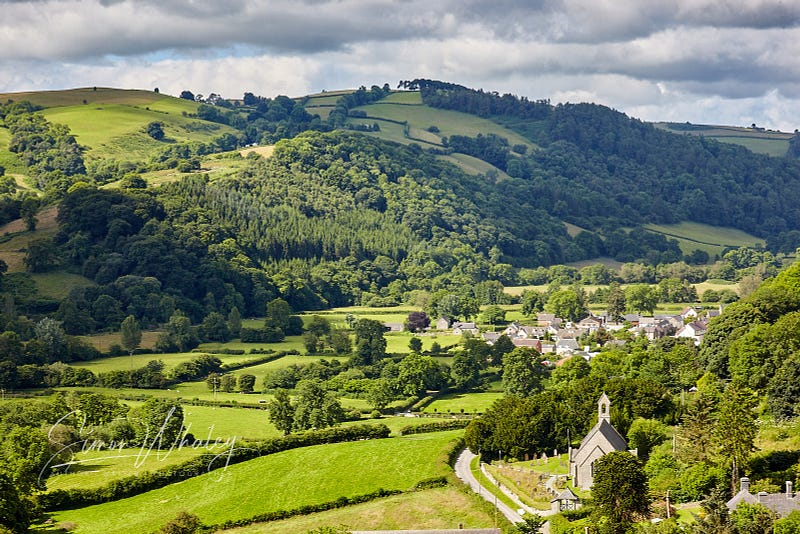
Sitting down to catch my breath, I gaze up the ever-narrowing Clun Valley. All I can hear is the distant call of a buzzard circling high in the sky above me. AE Housman was right. The Clun Valley is certainly one of the quietest under the sun. But as I’ve also discovered, you could say that all of its cultural connections make quite a bit of noise around these parts!