
The Future of Immersive Experiences
Cultural Anthropologists in the AI World
The Power of AI Ethnology in Cultural Discovery
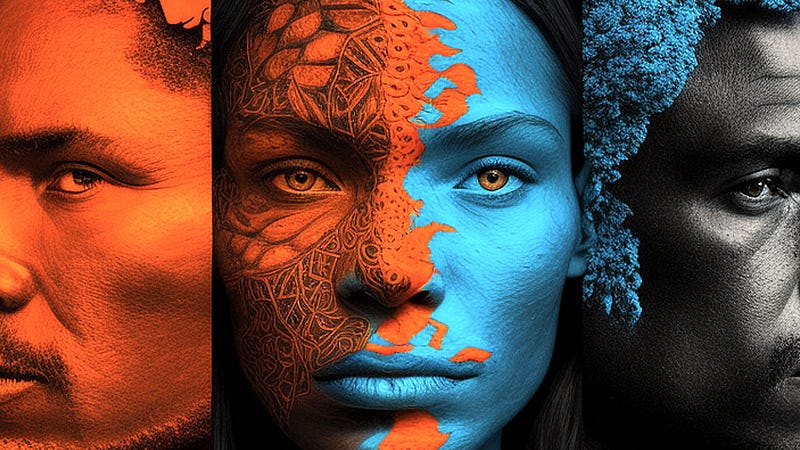
Step into the thrilling world of ethnology, where cultural anthropologists embark on a journey of discovery to compare and contrast the diverse cultures of our planet. This scientific study is like a treasure hunt for cultural gems, unearthing the unique language, beliefs, values, and customs of each civilization.
The Intersection of Culture and Technology
Picture yourself as an ethnologist, peering into the inner workings of a culture and examining how it fits into the larger puzzle of humanity. You observe how traditions evolve, how external forces shape a culture, and how different cultures intersect and influence each other.
By comparing cultures, ethnologists unravel the mysteries of cultural development, adaptation, and interaction. It’s like putting together a cultural mosaic, where each piece contributes to a greater understanding of the human experience.
So come along for the ride, and be swept away by the excitement of ethnology — where every discovery sheds light on the rich tapestry of cultures that make up our world.
🟠 Build an AI Personal Assistant
Introduction to Ethnology
AI Ethnology is the study of how Artificial Intelligence (AI) interacts with and impacts the culture of a given society. It looks at the implications of AI on cultural norms, values, and the practices of a given culture, as well as the effects of AI on existing social structures and how AI shapes the way people interact with each other. AI Ethnology is a relatively new field of study, but it is an important one, as it has the potential to help us better understand the ways in which AI can be used to shape our world.
Do people who study culture use ethnology?
Yes, indeed! Cultural anthropologists are armed with the powerful tool of ethnology, which allows them to delve deep into the heart of different cultures and uncover the unique beliefs, values, and practices that make each one special.
Ethnology examples: the study of technology, crafts, plastic and graphic arts, music, dance, oral literature, dream interpretation, religion, world view, ethics, and ethnomedicine.
Think of ethnology as a roadmap for cultural discovery. Cultural anthropologists hit the ground running, conducting fieldwork, participating in cultural activities, chatting with locals, and gathering data through interviews and other research methods.
By studying cultures through the lens of ethnology, cultural anthropologists are able to compare and contrast the intricacies of different societies, unlocking a treasure trove of knowledge about the human experience.
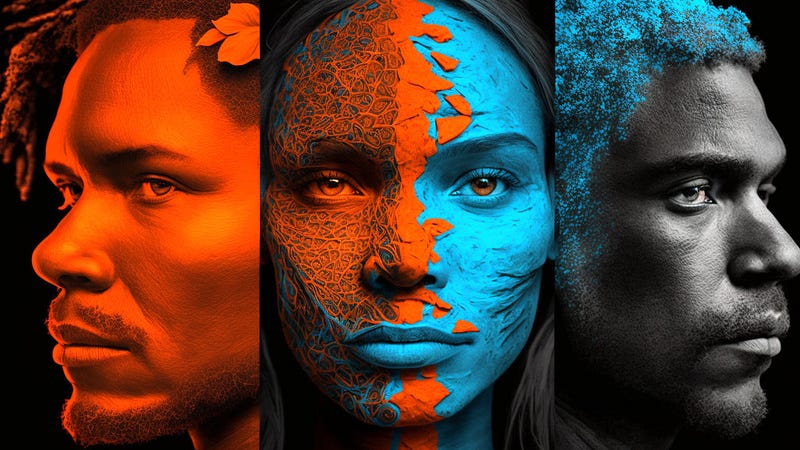
AI Cultural Anthropology is an interdisciplinary field that seeks to understand how Artificial Intelligence (AI) is impacting culture and society. It combines elements of anthropology, sociology, and technology to explore how AI is impacting different cultures and societies, and how it is influencing how people interact, communicate, and think. AI Cultural Anthropology looks at how AI is changing how people view the world, as well as how it is impacting different cultural practices and values. It also explores how AI is changing the way people interact with technology, and how it is being used in different contexts and how it is being used to shape culture and values. Finally, AI Cultural Anthropology looks at how AI is being used to shape the future of our societies, and how its potential impacts can be managed and mitigated in order to ensure a positive future.
Shaping the Future of AI for Humanity
The world of AI is a fascinating frontier for cultural anthropologists, who are eager to explore how culture shapes our relationship with technology. Imagine delving into the intricate dance between people and AI systems, studying the ways in which culture influences the design and use of cutting-edge technology.
🟠 From Camera Lucida to Morphic AI
As a cultural anthropologist in the AI world, you’d be on the forefront of discovering how AI systems are used to make decisions and how people perceive those decisions. You’d observe how AI systems are seamlessly woven into the fabric of everyday life, altering people’s views and behaviors.
And that’s just the tip of the iceberg! You’d also delve into the ways in which AI systems are shaping and influencing culture, and how they are affecting our understanding of ourselves and the world around us.
Addressing Bias in AI to Create a Fair and Equitable Future
Bias in AI serves as a reflection of society’s inequalities and power imbalances, magnifying them in the virtual world. The data used to train AI systems can be contaminated with prejudice and imbalanced power dynamics, causing AI to further these biases in its decision-making processes.
This can result in the perpetuation of existing inequalities, as well as the creation of new ones. To mitigate this, it’s critical to be aware of the possibility of bias when collecting data, crafting algorithms, and constructing AI systems. Ongoing monitoring and testing for bias should also be a crucial component of the AI development process to prevent these biases from having negative impacts on society.
Understanding the Cultural Implications of AI
In conclusion, the field of AI Ethnology and AI Cultural Anthropology offers a wealth of opportunities for cultural anthropologists to delve into the intersection of culture and technology. By exploring the ways in which AI is shaping our world, cultural anthropologists have the chance to unlock a deeper understanding of the human experience and how technology is changing the way we interact, think, and view the world.
🟠 Immersive AI art at its next level
As we continue to push the boundaries of what is possible with AI, it is crucial that we have a thorough understanding of its cultural implications. Cultural anthropologists have the unique ability to bring a human perspective to the table, helping to ensure that AI development is guided by a respect for cultural values and norms.
The future of AI is unwritten, and it is up to us to shape it in a way that benefits all of humanity. As cultural anthropologists in the AI world, we have the power to be at the forefront of this transformation, using our skills and knowledge to create a better, more inclusive future. So let’s embrace the challenge and use the power of ethnology to guide the way.


