
Cultivating Mindfulness in Relationships: Strengthening Connections Amidst Chaos

Relationships can often bear the brunt of chaos and stress. However, amidst the challenges, there exists a powerful tool that can transform the way we connect with others — mindfulness. Let’s explore the profound impact of mindfulness on relationships, be they romantic, familial, or friendships. From communication techniques to conflict resolution strategies, discover how being present in the moment can forge and sustain strong connections.
Understanding Mindfulness in Relationships
Mindfulness, at its core, is the art of being fully present and engaged in the current moment without judgment. When applied to relationships, it becomes a catalyst for fostering deeper connections. It involves actively listening, observing, and appreciating the nuances of our interactions with loved ones.
Mindfulness in relationships encompasses more than just being physically present. It involves a mental and emotional presence, allowing individuals to truly understand and respond to the needs and emotions of their partners, family members, or friends. By practicing mindfulness, couples and companions can create a shared space of understanding and empathy.
Delving into Mindful Communication
Communication forms the bedrock of any healthy relationship. Mindful communication goes beyond words; it involves a profound awareness of non-verbal cues, emotions, and the unspoken aspects of dialogue.
One key aspect of mindful communication is active listening. It requires giving undivided attention, putting aside distractions, and making a conscious effort to comprehend the other person’s perspective. By embracing empathy and validating each other’s feelings, individuals can pave the way for open and honest conversations.
I once found myself in a situation that underscored the transformative power of mindful communication in personal relationships. It was during a period of intense stress and pressure at work, and I was inadvertently bringing that tension home with me. My partner, sensing the strain in our interactions, suggested that we sit down for a heartfelt conversation.
In that moment, I realized the importance of delving into mindful communication. Instead of defensively explaining my work challenges, I decided to actively listen to my partner’s concerns and frustrations. I put away my phone, turned off the TV, and gave my undivided attention. As they shared their feelings, I made a conscious effort to absorb not just the words but the emotions underlying them.
Through active listening, I discovered aspects of their experience that I had overlooked in my stress-filled bubble. Their need for emotional support and understanding became apparent, and I realized how my distracted and preoccupied demeanor had contributed to a breakdown in communication. This revelation prompted me to embrace empathy, acknowledging the validity of their emotions and expressing my own vulnerabilities.
We started to validate each other’s feelings, creating a space for open and honest dialogue. Mindful communication became a bridge that allowed us to connect on a deeper level. By understanding each other’s perspectives and embracing empathy, we navigated through the challenges with a newfound sense of unity. It taught me that communication is not just about words but about creating an environment of trust, understanding, and shared emotional experiences.
This personal journey reinforced the idea that mindful communication is an ongoing practice, requiring dedication and awareness. It goes beyond the surface of verbal exchanges and delves into the nuances of emotions and unspoken connections. In relationships, it acts as a catalyst for building stronger bonds, fostering empathy, and creating a foundation for mutual growth and support.
Navigating Conflicts Mindfully
Conflicts are inevitable in relationships, but mindfulness provides a unique lens through which to navigate and resolve them. Rather than reacting impulsively, a mindful approach to conflict resolution encourages individuals to respond thoughtfully, fostering understanding and compromise. Mindfulness equips individuals with the ability to step back and observe their emotions and reactions during conflicts. By taking a moment to breathe and reflect, parties involved can approach the situation with a clearer perspective. This leads to more constructive discussions, where compromise becomes a collaborative effort rather than a concession.
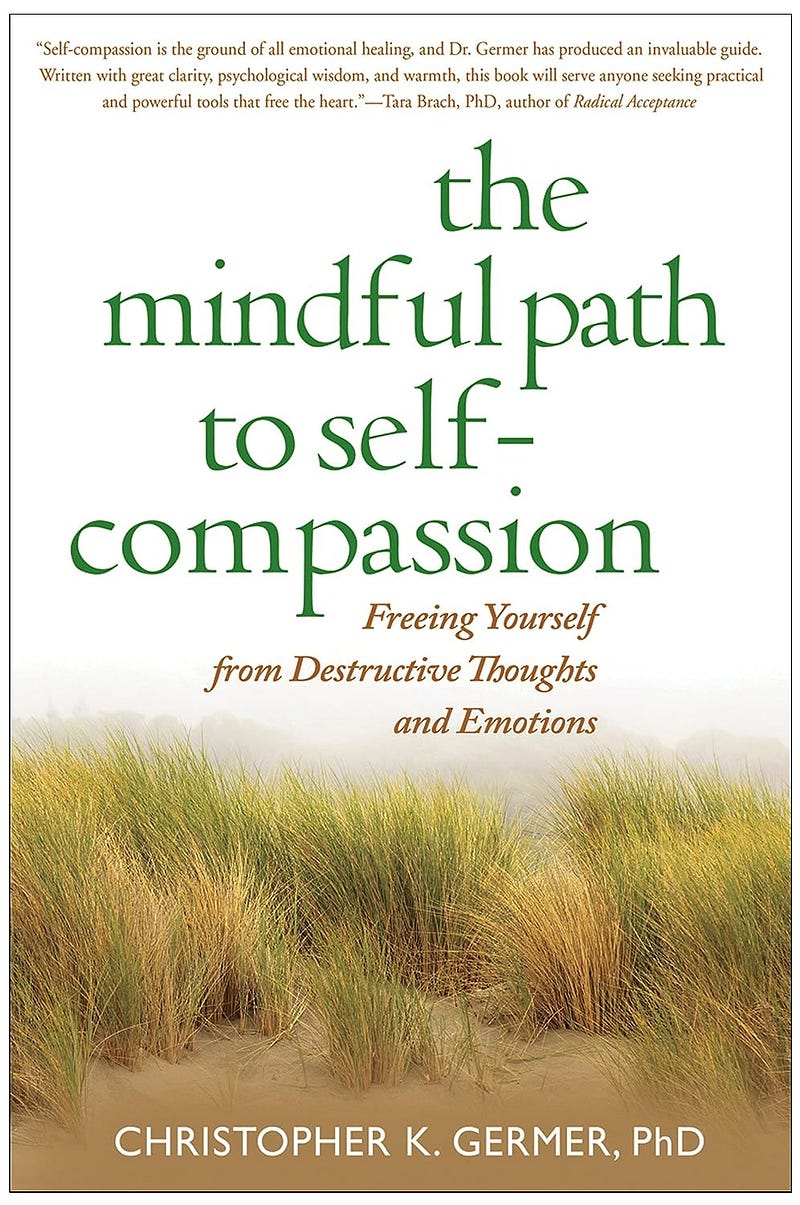
“The Mindful Path to Self-Compassion” by Christopher K. Germer delves into the practice of self-compassion, a crucial aspect of mindful conflict resolution. Germer combines mindfulness and self-compassion to provide practical insights and exercises, enabling readers to cultivate a compassionate approach to oneself and others during conflicts. Integrating these principles into the conflict resolution process enhances the overall effectiveness of navigating challenges in relationships.
Embracing Presence
Amidst the hustle and bustle of daily life, being present in the moment is a gift that enhances the quality of relationships. It involves savoring the small joys, appreciating the company of loved ones, and creating lasting memories.
Being present in the moment requires a conscious effort to let go of distractions and worries about the past or future. Whether it’s a romantic date, a family gathering, or a friendly get-together, embracing the present moment enhances the connection between individuals. It builds a reservoir of shared experiences that deepen the bonds of relationships.
In the chaotic tapestry of life, mindfulness stands as a beacon of hope for cultivating and nurturing meaningful connections. From understanding the essence of mindfulness in relationships to adopting mindful communication and conflict resolution strategies, the journey toward stronger, more resilient connections begins with being present in the moment. As we embrace mindfulness, we unlock the potential to transform chaos into a harmonious symphony of connection and understanding.