
CTE: The Case For Smarter Sparring
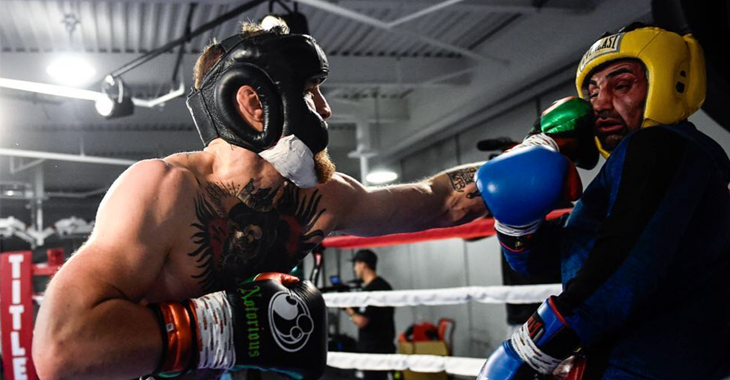
“Punch drunk.” It is a colloquial term well known in boxing, long applied to prizefighters who have taken too many shots. The symptoms are easy to spot. They slur their words and are often forgetful.
They may have trouble with their coordination and fine motor skills. At its early stages, being punch drunk may not seem like a huge deal. It could be brushed off as yet another cruel but normal affliction of old age — something to be endured. But it isn’t.
The symptoms do not get better. On the contrary, they get progressively worse over time. Perhaps most insidiously, symptoms typically appear years after the initial brain trauma(s) occurred, and by then it is far too late.
As of 2018, it can only be diagnosed post-mortem with a brain tissue analysis. There is no known cure.

Better known now by its scientific name, chronic traumatic encephalopathy (CTE) is a neurodegenerative disease caused mainly by repeated sub-concussive impact to the brain.
It is marked by a buildup of tau protein in the brain, which disrupts neural pathways, leading to the symptoms stated above.
It is no secret that the majority of the damage a fighter takes in their career isn’t received in the fight itself
Personally, as a fight fan and amateur MMA fighter, the topic of CTE is one that is very close to my heart. I have closely followed the careers of several great boxers and it is impossible not to notice a disturbing trend- they would retire only to be crippled years later by a degenerative disease with dementia-like symptoms. Several names that come to mind are Sugar Ray Robinson, Willie Pep, Joe Frazier and Joe Louis.
All these boxers were legendary champions, and they all passed away battling a host of neurological problems. They were often misdiagnosed with Dementia or Parkinson’s disease, but are now accepted to have most likely been suffering from CTE due to years of head trauma in the ring. Other noted examples who are still with us and struggling with this disease are Tommy Hearns, James Toney and Terry Norris.
Of course, it is impossible to accurately diagnose the above-named boxers with CTE due to the fact that current tests can only be performed on brains post-mortem. However, their slurred speech, poor sense of balance, poor impulse control and a host of other issues all point towards CTE as the culprit.
It is very hard to watch a fighter who gave the best years of their life to the sport they loved struggle to string a sentence together in their twilight years. And as I’ve touched on above, the symptoms do not get better and there is no known cure.
Fighters are afflicted with this disease, they get progressively worse and they die. In bad cases, they pass on with advanced dementia and are not able to remember their glory days in the ring, nor the names of their loved ones. It is terribly, terribly sad.
Sub-concussive Impact
The term “sub-concussive impact” basically means trauma to the brain that was insufficient to cause a full-on concussion. Great examples of these would be heading a soccer ball and getting tackled while playing American Football. The brain is shaken, but not with sufficient impact to cause a concussion and it’s assorted symptoms: immediate unconsciousness and memory loss.
Another great example of sub-concussive impact would be taking head shots in sparring. A regular full-contact sparring session goes as follows: protective attire such as big gloves and headgear are strapped on. The fighters pair up with each other and live sparring ensues.
The strikes thrown are supposed to be pulled, meaning you are supposed to throw them fast but pull them at the last minute before you make contact with your partner, so as to minimize the force of the blow and mitigate the damage inflicted. As you can imagine, this takes experience and finesse to pull off, as well as the cooperation of both partners.
However, there are still many gyms that practice “hard sparring”, whereby strikes are not pulled.
There would be greater levels of brain trauma during hard sparring, and it is not uncommon to have people getting knocked out cold (thereby suffering a full-on concussion). Although it sounds brutal, the idea behind this practice is to simulate a fight as closely as possible. Whether to spar hard or not (or at all) has been a controversial topic, with the recent discoveries regarding CTE reigniting the debate.
Hard Sparring
It is no secret that the majority of the damage a fighter takes in their career isn’t received in the fight itself. Very often, it is the endless grind in the gym and the dozens, if not hundreds, of sparring rounds the athlete will undergo before the fight itself that is to blame.
Hence, it is only sensible to make training and sparring as safe as possible. However, some trainers and fighters believe that not being able to spar puts them at a disadvantage.
Hard sparring is an idea deeply ingrained in some gyms of the Boxing and MMA community.
In fact, several teams are well-known for their hard sparring sessions: Chute Box, Kronk Gym and the Miletich Fighting System are some of the old gyms famous for their legendary gym wars.
Making Adjustments
As new research on the damage that such sparring can cause are coming to the fore, many trainers and athletes are beginning to adjust their training methods.
“We used to train where we would bang and spar all the time, and if you had what we call a boxer’s headache, which is just a concussion, you’d just work through it….. Now we spar hard once a week if that, and even ‘hard’ isn’t like we used to do where you were basically trying to kill each other. People are a lot more aware,” Greg Jackson, head coach at Jackson-Wink, said in an interview with Jonathan Snowden.
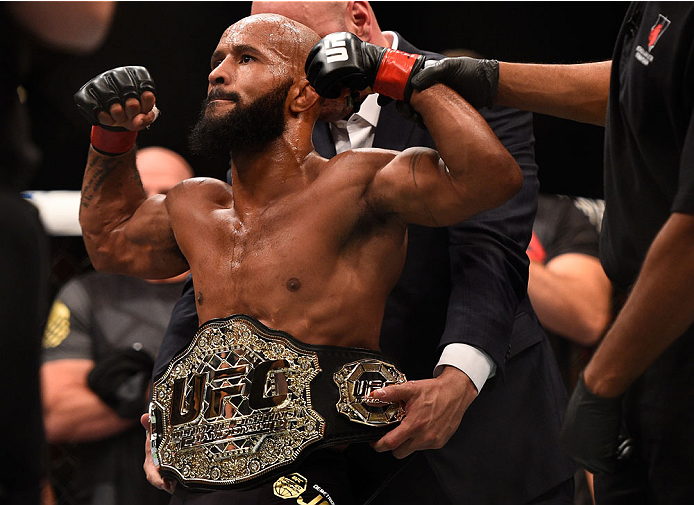
The quote above by Greg Jackson sums up how trainers are beginning to adjust their training methodology. A great spokesperson against hard sparring is the first and only UFC Flyweight champion Demetrious “Mighty Mouse” Johnson, who states that he rarely spars hard and never to the head.
If champions like DJ are able to ascend to the highest levels of the sport without subjecting their body to unnecessary damage, it is hard to argue that hard sparring is an absolute necessity to create a great fighter.
Fighting is a dangerous enough sport. If it is possible to limit the damage a fighter does inside the gym so that they can minimize the chances of them pulling out of schedules and retire with their brains intact.
It’s a win-win situation for both the fighter and the fans.
This article originally appeared on ROUGH! Magazine, and on my website
Thanks for reading :)


