
Crypto’s Biggest Challenge is Its Best Feature
Crypto is not currency, it’s collateral.
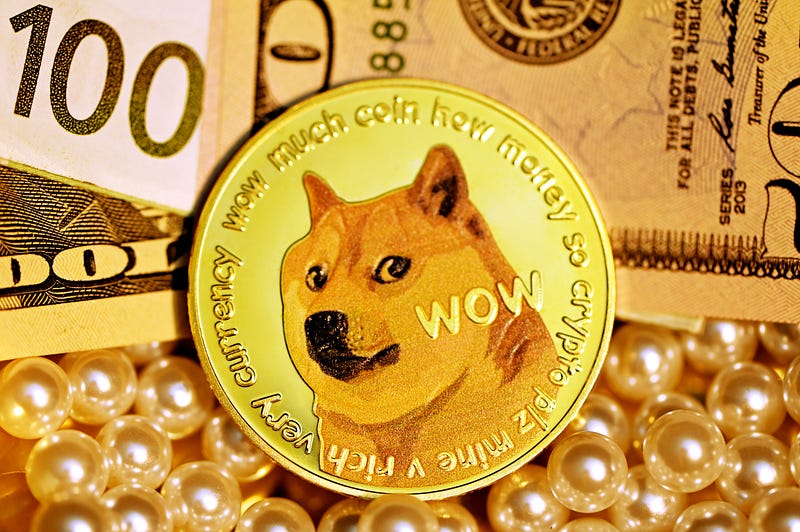
What is Crypto’s biggest challenge? It’s not the name, although “Crypto” needs to go. I suggested calling it smart money in my article, Branding Blockchain, but there is a bigger problem for crypto. Most of the currencies in circulation, if not all, are inflationary. We want a stable value for our dollar. We don’t want the value to decrease because losing value is losing real money. Here is the part that will surprise you. We don’t want it to increase either.
Why do you not want your dollar rising in value?
Because they are the medium of all our transactions. We must constantly give them away. Buying groceries, paying bills, travel expenses, spending on consumer goods, repaying debt, and every other transaction you take part in each day takes dollars.
What if you knew the dollar in your pocket was going to increase in value by 25% tomorrow? You would not want to give it to anyone, you would wisely choose to hold on to your dollars because it is going to appreciate in value.
Here is an example stretched out over a month's time. Say you have $4,000 in monthly expenses to pay. If your money is going to appreciate 25%, your $4,000 will now be $5,000. Who in their right mind would let go of their dollars?
This scenario exposes crypto’s biggest problem. Crypto is an appreciating asset, or everyone who buys them expects them to appreciate. Stablecoins have been introduced, they are pegged to the value of different currencies, like the dollar. This helps, but you still could lose value by trading an appreciating asset, like crypto, for a stablecoin.
As a side note, traders do exchange crypto for stablecoins, but only because they want to preserve their gains from the crypto they were holding. Traders who swap crypto for stablecoins may be expecting a possible drop in the crypto market or the particular one they were holding.
Calling coins or tokens a cryptocurrency causes confusion in the long run because they will not be used like a traditional currency by those who hold them. People buy them as an investment or to take part in the governance mechanism of the blockchain or protocol. They are treated more like stocks by users.
I think this is the best use for crypto coins and tokens.
Not as a currency, but as a collateralized asset.
Spend in dollars, save in crypto. This is my motto for now, but it’s not investment advice for you. I would not neglect assets like real estate or stocks to go all in on crypto. Most of what I’ve heard about investment funds is they plan to take their portfolio in the 5% to 10% range on crypto.
The most exciting thing about crypto to me is not even the potential for price appreciation, it’s the utility in the DeFi space coming from the collateralization of the coin or token. I plan to post an article about this soon, stay tuned.


