
CRYPTOCURRENCY
Cryptocurrency for Newbies
Four simple ideas to begin our understanding
Author's note: I am definitely a cryptocurrency newbie, which is why it was fun for me to interview my son, read various articles, and then write this piece. It is all in our grasp with just a little effort. Unless it's one's preference, we shouldn't be left out in the cold.
Let's say, hypothetically speaking, that you have a 27-year-old son who is fervently studying cryptocurrencies of which you know absolutely nothing. Since decades of living have told you that communication is important, you want to engage in conversation. You wonder, though, "Where do I even start?" Here is some basic knowledge that comes in four parts to get you started — "started" being the operative word.
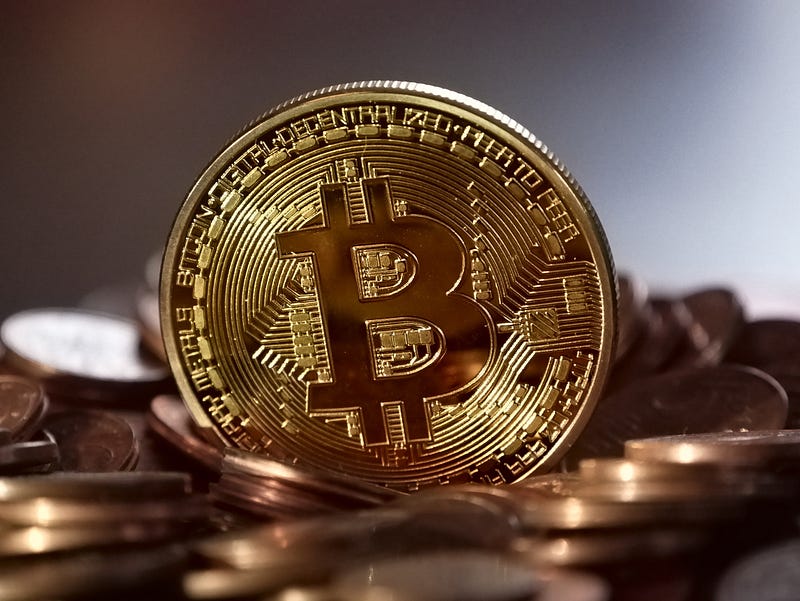
Number one: Bitcoin is the best-known cryptocurrency, but it's more like the Ford Model T. The Model T put the world on wheels in much the same way that bitcoin has created cryptocurrency investors and inspired other cryptocurrencies. Today there are over 15,000 cryptocurrencies totaling over 2.2 trillion dollars.
Said another way, bitcoin is the first chapter of a very long novel.
Number two: Blockchain often gets confused with bitcoin but is the mystifying technology that enables cryptocurrencies to be secure. Hence the word "encrypted" usually precedes "blockchain." It is said that encryption makes it difficult, if not impossible, to hack the system.
Going deeper, think of blockchain in accounting terms as a decentralized public ledger of transactions that enables fund transfers, transaction settlements, and the like. What makes it unique is that it lacks a central clearing authority, like a bank, but instead relies on a network of validators. This explains why banks, who have historically been the central clearing authority, feel threatened. If you want to sound in the know, you might say to your son,
“I can envision the ripple effects cryptocurrency will have on ‘fintech.’”
Not having spelled out financial technology will earn you "cool" points.
Number three: NFT is one of the hottest trending acronyms today. NFT stands for "non-fungible token" and is basically a way of attesting that your digital asset is authentic. "Fungible" assets are like dollar bills — all worth the same. "Non-fungible" applies to digital assets like artwork or music that are unique. In this case, NFT authenticates ownership via a "token."
NFTs are important because they are being used to sell a huge range of collectibles. For a creator of digital collectibles, NFTs protect them as their digital assets may be sold and resold. Artists often continue to earn a percentage of sales via their art and using a "smart contract" (another buzz word to impress your son), NFTs can track disposition to ensure payment.
Think of NFTs as a one-of-a-kind digital asset whose proof of ownership cannot be duplicated.
While artwork can be copied, owners want to know that they have the original, which is what NFTs certify. There is no doubt that NFTs will have a profound impact on artists and the buyers of collectibles because of authentication and tracking.
Number 4: "Frictionless payment" is often touted as a key benefit of cryptocurrency. Say goodbye to weeklong wire transfers, 3-day settlements, and 7% transaction fees. Technology now exists that can settle payments in seconds for fractions of a penny.
Who benefits? The consumer. Who loses? Institutions where float and fees yield profit.
Is "frictionless" a dream by cryptocurrency hucksters or something real? It's evolving towards "real." Consider this. The blue-chip consulting firm McKinsey and Company published a piece in November 2020 titled "The Future of Payments is Frictionless — Now More Than Ever." They cited verifiability and transparency associated with blockchain and cryptocurrency as being key enablers.
The question that still needs to be answered is how financial institutions will manage frictionless disruption and redefine themselves? If they lose their dominant position as payment facilitators, how will they continue to thrive?
Redefining their organizations will likely take time, but here is at least one small indication that change is happening. In 2020, I queried Fidelity to see if they offered any cryptocurrency funds and was quickly told, "no." In December of 2021, Fidelity announced a bitcoin ETF and mutual fund. It is only a baby step but very likely an indicator of more to come by leading institutions.
Back to the conversation with our millennials, I like ending spirited discussions with a question. I wouldn't challenge the validity of cryptocurrency — it's here for good — but I do wonder what the regulatory response will be as agencies aim to protect investors from risk and volatility. How will their actions shape this market's future?
There are significant consequences no matter how the world of cryptocurrency unfolds, but a good first step might be to get knowledgeable and lean on a crypto-maven in your life.


