
Crush Writer’s Block Permanently: Discover the Game-Changing Strategies
Writing, a dance of ideas and words, often faces the formidable foe of writer’s block. Whether you’re a novice or a seasoned pro, understanding psychology’s tools to overcome this hurdle can be a game-changer. In this article, we explore proven psychological hacks that can reignite creativity and navigate the labyrinth of writer’s block.

- Harnessing Positivity: Fueling Creativity with Emotions Positive emotions like curiosity and excitement can fuel creative thinking. Research by Fredrickson et al. (2003) indicates that positive emotions broaden cognitive processes, leading to innovative insights. Try recalling a joyful memory before writing or listening to uplifting music to tap into this wellspring of positivity
- Taming the Blank Page: Pomodoro Technique’s Power Facing a blank page can be daunting, but the Pomodoro Technique is a proven ally. A study by Ullrich et al. (2020) highlights its effectiveness. Set a timer for 25 minutes of focused writing, followed by a 5-minute break. This structured approach improves concentration and reduces writer’s block’s grip.
- Immersive Storytelling: Engaging the Reader’s Mind Crafting immersive narratives captivates readers. Psychology’s concept of “narrative transportation” shows how readers get lost in stories (Green & Brock, 2000). Using sensory details and personal experiences can weave a compelling tapestry, transporting readers into your world.
- Personal Connection: Building Trust through Authenticity Writing in the first person forges a personal bond with readers. Sharing your journey fosters authenticity and trust. Drawing from personal experience, I’ve found that vulnerability resonates. Genuine connections are nurtured when readers see the writer’s human side.
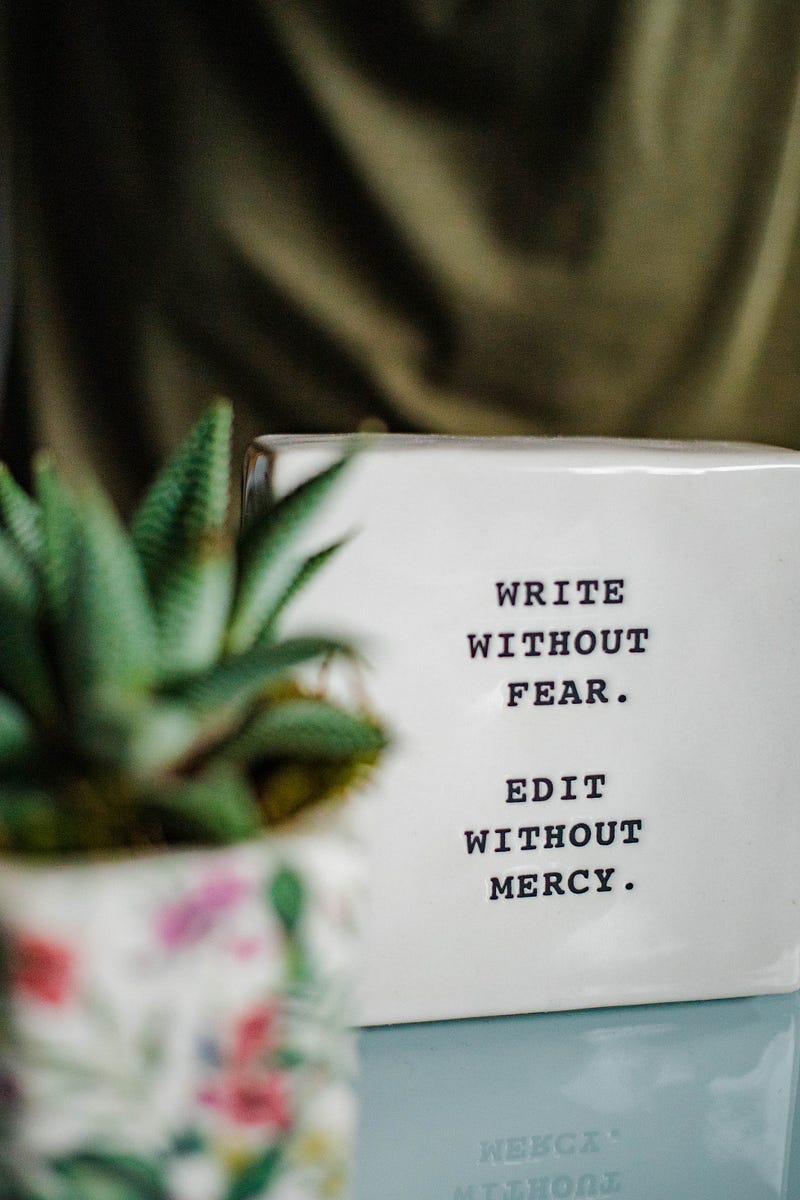
Writer’s block can be a challenging adversary, but psychology equips us with potent tools. Positivity amplifies creativity, the Pomodoro Technique combats the blank page, immersive storytelling captivates minds, and personal authenticity fosters connections. As you venture forth, remember these psychology-backed hacks to defeat writer’s block and let out your creative flow.
References:
- Fredrickson, B. L., & Joiner, T. (2002). Positive emotions trigger upward spirals toward emotional well-being. Psychological Science, 13(2), 172–175.
- Ullrich, J., & Wagener, M. (2020). How to Overcome Procrastination: Effects of the Pomodoro Technique on Writing Performance. Frontiers in Psychology, 11, 1457.
- Green, M. C., & Brock, T. C. (2000). The role of transportation in the persuasiveness of public narratives. Journal of Personality and Social Psychology, 79(5), 701–721.