
Cruelty-Free Is Not Enough
Cruelty-free does not mean vegan. Stop paying for companies to mutilate and kill innocent animals for makeup.
It wasn’t until I had already started eating a plant-based diet that I was even introduced to the idea of vegan cosmetics and makeup products. I had always thought that “vegan” and “cruelty-free” were interchangeable, which isn’t true.
I am — slowly but surely! — transitioning all of my makeup and personal care products over to being both vegan and cruelty-free. It has been a long process since I was always one to hoard tubes of face masks, fancy exfoliators, and bottles of foundation to serve me through different seasons and different skin tones.
To throw out old products would be wasteful, and the damage has already been done, so I’m focused on using what I have and replacing those products with items that are actually kind to animals. If you want to do the same, here’s what I have learned.
What Does Cruelty-Free Mean?
When you see that cute little jumping bunny on your favorite product, you can be sure that it is certified cruelty-free. This means that none of the ingredients or the final product have been tested on animals for any reason.
This includes testing harsh chemicals at the beginning of the process, the trial and error of safety testing, to final product skin patch tests. Choosing cruelty-free products means you are actively advocating for products that don’t burn off bunny skin.
The PETA-approved cruelty-free symbol is a bunny because rabbits are the animals that endure a huge portion of animal testing.
Other animals that are currently used for animal testing or animal experimentation in the cosmetic industry in the United States:
- monkeys
- rats
- dogs
- cats
Those precious creatures often experience testing so toxic that they develop severe skin rashes and burns, blindness, and often fatal damage that leads to euthanization.
Most of the time, cosmetic animal testing is inconclusive, and other types of testing are just as if not more effective and safe. Thankfully, there is a multitude of high-quality, modestly priced vegan and cruelty-free cosmetics on the market.
What Does it Mean when a Product is Vegan?
As mentioned before, the words vegan and cruelty-free are not interchangeable. One doesn’t guarantee the other.
In order for a product to be certified vegan, it cannot contain “meat, fish, fowl, animal by-products, eggs or egg products, milk or milk products, honey or honey bee products, insects or products from insects such as silk or dyes, or sugar filtered with bone char.” —Vegan Action (vegan.org)
What Vegan Means: When a product is vegan, it means that none of the ingredients used to make that product came from an animal, or are a byproduct of an animal. Often, people don’t realize the origin of sneaky ingredients like gelatin, a protein filled with skin, tendons, and ligaments, or glycerin, which can be sourced from animals or vegetables.
When sourced from animals, it can come from the animal’s blood or tissue. There are plenty of other hidden ingredients in our soaps, cleaning detergents, and makeup products that are nearly impossible to determine are non-vegan. Aside from independently Googling every single item on the ingredient list to learn where it's sourced from, it’s much simpler to look for the vegan certified and cruelty-free label on the product.
When we don’t choose a product that is vegan, we are supporting animal cruelty and giving into supply and demand for these non-vegan companies to create more products, killing and torturing more animals — if that isn’t cruelty, what is?
Don’t know where to begin? Here are three of my favorite go-to brands for some products you may not even think about when you’re looking for vegan products. I’m not being paid to recommend these brands, they are my real recommendations based on products I’ve used and liked:
Animal-Friendly Nail Polish
Long-lasting, vibrant color. Certified halal, vegan, breathable, ethical, and sustainable. Their colors literally never chip and give me that salon look without breaking the bank. Something really unique about this brand is that they have the option to purchase “Mission Packages.” This means that 20% of the proceeds from each box either goes to supporting BLM movement or Yemen Crisis Relief.
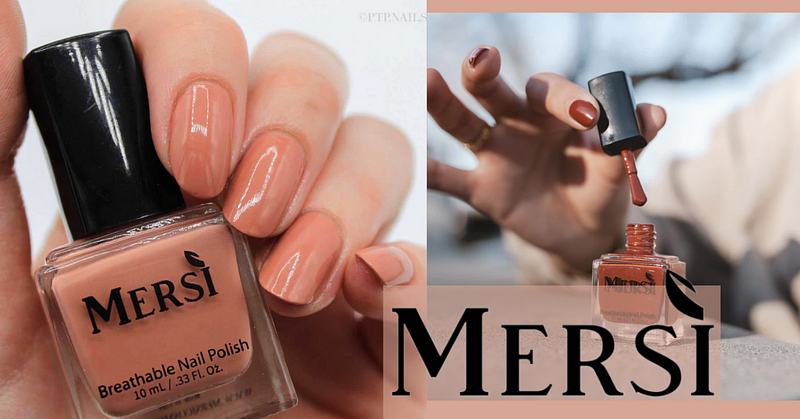
What is it that makes nail polish not vegan? Ingredients like guanine, tallow, gelatin, milk, lanolin, honey, beeswax, royal jelly, and carmine are all derived from our animal friends. The process of deriving these ingredients can often kill or torture the animals in the process. I have no idea why any company would opt to use these ingredients when there are vegan alternatives out there that work just as well.
Animal-Friendly Face Wash
I started using African black soap as a face wash recently and it topped all of the previous products I tried. And I have tried a lot. As veganism slowly transitions into a more mainstream ideology, the upcharge for products with the word vegan in them seems to be coming down at price. I tried Curology and it was nice but incredibly expensive.
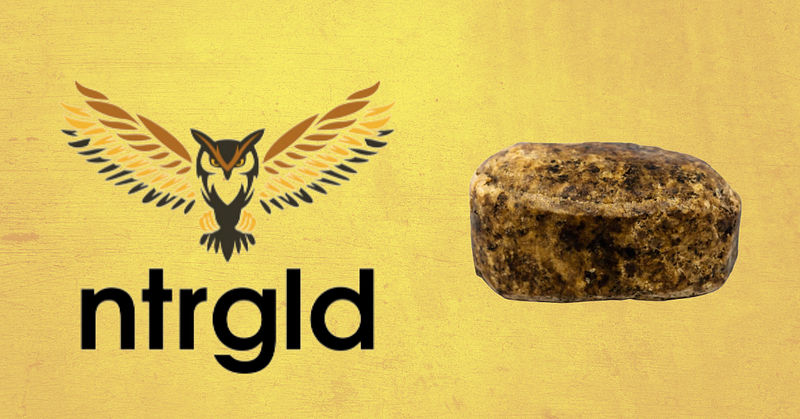
Then I found African black soap. I have been using it ever since and have not had a single breakout. I fell in love with the price ($6 and it lasts for months), the simple formula, and the fact that no animals would ever be harmed in the process. After I wash my face, it feels clean and has a natural glow.
Animal-Friendly Razors
I know what you’re thinking… How could a razor blade not be vegan? In addition to many razor companies testing on animals for their other products, some razors actually have animal products on them: Gillette and other razor blades with fancy, smooth-gliding lubricant gel strips which can be composed of lanolin and/or glycerin.
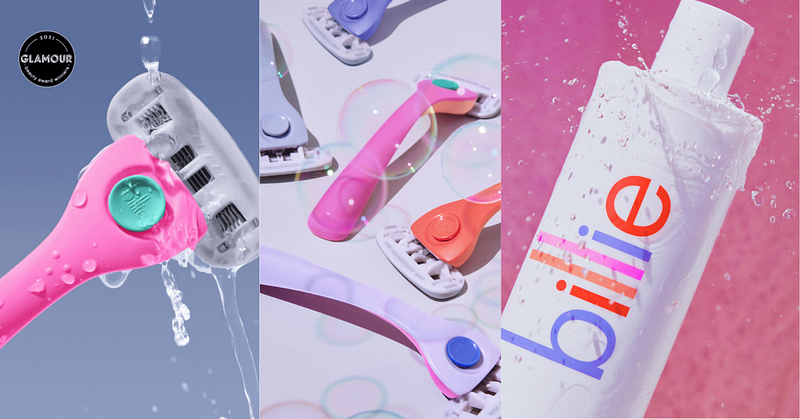
Lanolin comes from the wool industry and animal-derived glycerin was mentioned above. I recently started using Billie razors after seeing their brand advertised on Instagram a handful of times.
They are vegan, cruelty-free, and are smooth as (vegan) butter. My legs have never felt better!
Tap into positivity at Live Life Now, my new blog✨If you liked this piece and wish to support me, you can buy me a kombucha here. : )