avatarM Aslam Waheed

Free AI web copilot to create summaries, insights and extended knowledge, download it at here

1507

Abstract

sh.com/@nci?utm_source=medium&utm_medium=referral">National Cancer Institute</a> on <a href="https://unsplash.com?utm_source=medium&amp;utm_medium=referral">Unsplash</a></figcaption></figure><p id="21ea">Going forward, experts aim to test the method’s safety through further embryo and animal research before pursuing human trials. However, this proof of concept illustrates CRISPR’s immense promise for tackling even dominant genetic conditions.</p><h2 id="07f0">How Does It Change Choices for Potential Parents?</h2><p id="bfb0">Previously, parents had limited options when both were carriers for harmful recessive diseases like cystic fibrosis or sickle cell anemia. By screening embryos, they could selectively implant only those not affected by the condition.</p><figure id="c9c4"><img src="https://cdn-images-1.readmedium.com/v2/resize:fit:800/0*G0RRrLhF1nGNkJ_v"><figcaption>Photo by <a href="https://unsplash.com/@sofatutor?utm_source=medium&amp;utm_medium=referral">sofatutor</a> on <a href="https://unsplash.com?utm_source=medium&amp;utm_medium=referral">Unsplash</a></figcaption></figure><p id="9097">However, each child faced a 25% risk of inheriting both bad copies and developing the disorder. The only other choice was to avoid having biological children altogether if the condition was severe enough.</p><p id="ddc5">CRISPR flips this script by permitting doctors to cut out these mutations before implantation. The ease and precision of editing allow them to eliminate the aberrant gene

Options

sequence while keeping the rest of the embryo’s genome intact. Parents could then move forward knowing their child would not be saddled with the lifelong burdens and health impacts of a genetic illness.</p><h1 id="afb9">Sum Up:</h1><p id="d0d2">With further refinement of the technique, we are not far off from having the tools to prevent countless genetic ailments. However, researchers emphasize that while clinical use looks promising, there is more work ahead in studying efficacy and safety before human trials. Still, the power of genome editing is undeniable.</p><figure id="f328"><img src="https://cdn-images-1.readmedium.com/v2/resize:fit:800/0*Yyn5bHcX9XXbHOHQ"><figcaption>Photo by <a href="https://unsplash.com/@talhahassan116?utm_source=medium&amp;utm_medium=referral">Talha Hassan</a> on <a href="https://unsplash.com?utm_source=medium&amp;utm_medium=referral">Unsplash</a></figcaption></figure><p id="a88c">For parents facing heartbreaking genetic odds, CRISPR offers hope that they may be able to decisively correct what nature made faulty.</p><p id="1991" type="7">“Follow me on LinkedIn, facebook, Youtube, Twitter, and Instagram.”</p><p id="be60">I hope you’ll find this story <b><i>“Interesting and Surprising”</i></b>. <a href="https://medium.com/@aslamwaheed/subscribe"><b>Subscribe</b></a><b> </b>to my newsletter for such interesting and lovely poems and stories.</p><p id="0433"><b><i>You may also like:</i></b></p><p id="e67b"><b><i>Happy Learning. </i></b>😊😇</p></article></body>

Scientific Discoveries

CRISPR Opens Door to Correcting Harmful Genes

For parents facing heartbreaking genetic odds, CRISPR offers hope that they may be able to decisively correct what nature made faulty.

Photo by Sangharsh Lohakare on Unsplash

Advancements in the gene editing technology CRISPR have led to new possibilities for altering problematic genes in embryos. Now, instead of only being able to screen embryos for genetic diseases, doctors can use CRISPR to directly correct certain harmful mutations before implantation.

This new capability provides hope to parents who both carry recessive genes for serious genetic disorders.

Impact of this Discovery

In a recent breakthrough, researchers successfully used the CRISPR tool to eliminate a mutation that causes blindness. The team targeted retinal cells created from a patient’s stem cells, demonstrating that this approach may be possible to rescue vision.
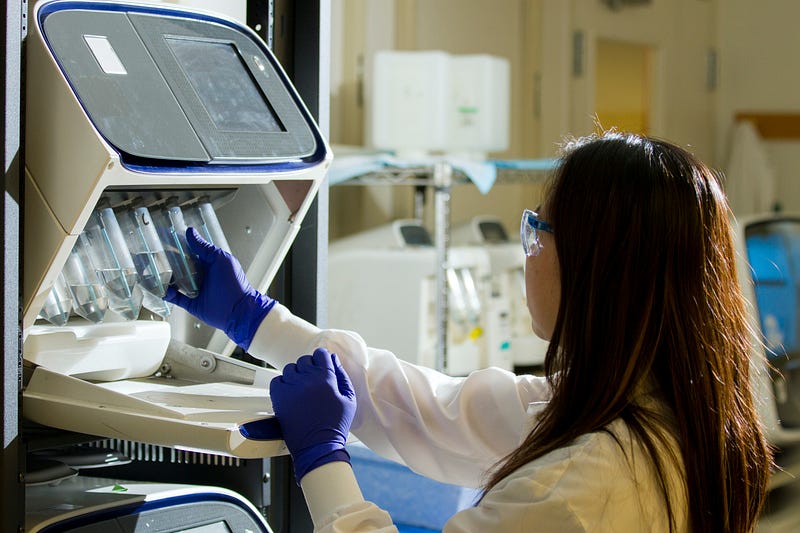
Photo by National Cancer Institute on Unsplash

Going forward, experts aim to test the method’s safety through further embryo and animal research before pursuing human trials. However, this proof of concept illustrates CRISPR’s immense promise for tackling even dominant genetic conditions.

How Does It Change Choices for Potential Parents?

Previously, parents had limited options when both were carriers for harmful recessive diseases like cystic fibrosis or sickle cell anemia. By screening embryos, they could selectively implant only those not affected by the condition.

Photo by sofatutor on Unsplash

However, each child faced a 25% risk of inheriting both bad copies and developing the disorder. The only other choice was to avoid having biological children altogether if the condition was severe enough.

CRISPR flips this script by permitting doctors to cut out these mutations before implantation. The ease and precision of editing allow them to eliminate the aberrant gene sequence while keeping the rest of the embryo’s genome intact. Parents could then move forward knowing their child would not be saddled with the lifelong burdens and health impacts of a genetic illness.

Sum Up:

With further refinement of the technique, we are not far off from having the tools to prevent countless genetic ailments. However, researchers emphasize that while clinical use looks promising, there is more work ahead in studying efficacy and safety before human trials. Still, the power of genome editing is undeniable.

Photo by Talha Hassan on Unsplash

For parents facing heartbreaking genetic odds, CRISPR offers hope that they may be able to decisively correct what nature made faulty.

“Follow me on LinkedIn, facebook, Youtube, Twitter, and Instagram.”

I hope you’ll find this story “Interesting and Surprising”. Subscribe to my newsletter for such interesting and lovely poems and stories.

You may also like:

Happy Learning. 😊😇

Science
CRISPR
Medical
Dna
Learning
Recommended from ReadMedium