
Credit Card Debt is so Last Generation
Here is how a college student is doing everything she can to not be in credit card debt like everyone else
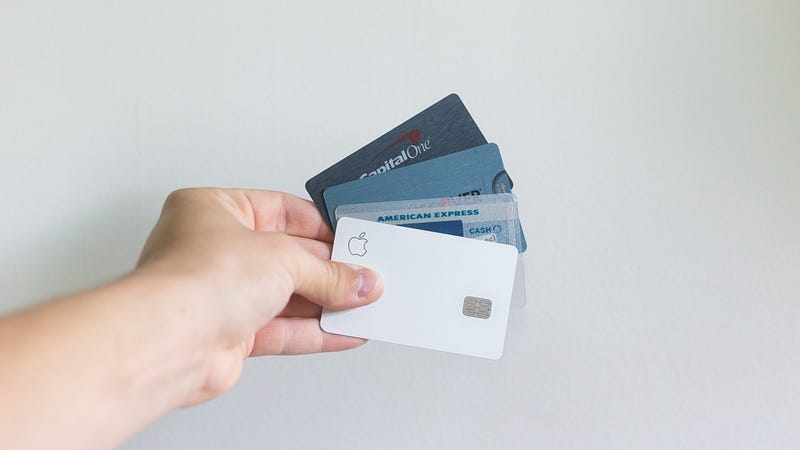
I was 18 years old, seven months ago, receiving my first credit card in the mail. As a fresh adult, I can tell some of you read that first sentence and immediately began to panic for me. Does this poor girl understand what interest is? She does realize that she has to pay it back, right? Oh, look, another helpless and uneducated teen getting used to credit card debt, what a shame.
But what if I told all you concerned readers that this 19-year-old has it all under control after seven months and another birthday? With a 738-credit score and debt-free, I think this clueless college student is doing reasonably well. However, no American is just born with the tricky knowledge of credit and how they try to take advantage of you. So here is how I went from a nonexistent credit score to a good, almost great score.
Ditch the debit cards; they become a hassle
It took me a while to get the hang of balancing using both my debit card and credit card. That is until I tossed my debit card in the back of my wallet and placed my Discover Student card in the first slot. By only using your credit card, you can easily track your spending for the month. If you have several purchases that add up to $190 on your credit card, you may think that’s all you’ve spent for the month since you are able to track it on your credit app.
However, when it comes to paying the bill, your checking account could be another $200 less than what you expected. This is because you are splitting your costs on both cards without realizing you went over your monthly budget and now have to dip into your savings. This could have been avoided if you had put everything on your credit card. By doing so, just by clicking onto your credit app, you can see how much money you have been spending throughout the month and if you need to cut back or not.
Automatic payments can do more harm than good
After a couple of months of using automatic payments, I figured it was too much stress and switched to manual payments. You may be thinking that this is backward thinking, but it has saved me more than once. By having my bill be manual, I can go into my checking account to see if I have enough to pay the bill or if I need to dapple into my savings. This is also an excellent time to reflect on your spending for the month. Is this bill higher than your typical month? Is the reasoning behind the number justified, or did you slip off the deep end and splurge here and there that eventually added up?
Paying manually also lets me make sure that I spend in full every time and not just the minimum. I’d much prefer to keep my debt to a complete zero on my card so I can stay above the crazy interest. I’ve found that Discover will often show you to pay the minimum and not in total, which is, of course, what they want. By spending every month manually, I am able to reflect on my monthly budget and make sure that I am paying in full and not just the minimum.
Reap the benefits
Understanding your credit card is one thing, but understanding the benefits and working for them is entirely different. For example, the Discover Student card gave me a $500 monthly limit. While this is, of course, very important to know, you should also know what you can earn back from your credit card. With my first year with Discover, they will be taking my rewards and then doubling them.
As of now, through my rewards and cash back, I have earned $70 in the first seven months of my card ownership. But when this June comes, I will not be getting $70; I’ll be getting $140 since they will double my rewards for the first year. With this number still having the potential to grow until June, I have the chance of earning up to a $500 check in the mail just for using their card.
This is why it’s important to know what you could benefit from your card. Mine is a simple reward base, but you could earn free plane tickets, trips, and cashback with other cards.
And there you go. By understanding and changing small habits with your cards, you can stay out of debt for those beginners like me. Or you could be enjoying a nice trip to a tropical place because you knew how to use your card to reap the benefits. Learning about credit cards can be scary for someone my age because of their stigma. But a little bit of education and reassurance can go a long way in building your credit.