
Creative Workspaces: How Art Can Boost Employee Engagement and Productivity
The positive effects of art on employee mindset and performance
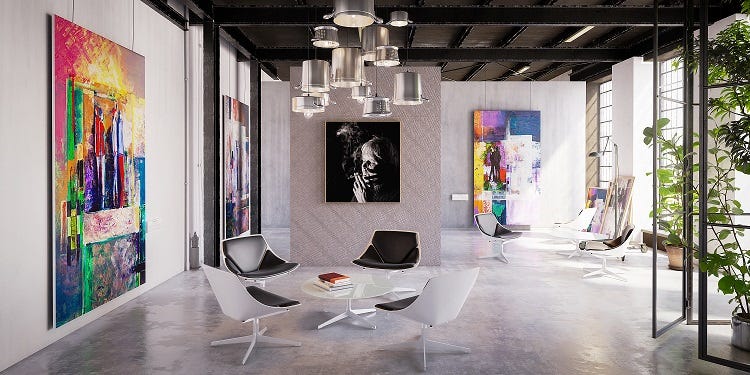
Art may not be the first solution that comes to mind when considering ways to enhance workplace productivity. But various studies have demonstrated the positive impact of art on employee engagement and performance. Consequently, numerous businesses have begun to incorporate art into their work environments, recognizing the creative energy that art can bring to improve the overall atmosphere and employee experience.
The Benefits of Art in the Workplace
One significant advantage of bringing art into the workplace is its potential to promote relaxation. Studies have shown that simply looking at art can lead to decreased cortisol levels — the hormone associated with stress. And this can help employees experience a greater sense of calm and improve their concentration levels, leading to increased engagement and productivity.
But the benefits of art go beyond stress reduction. Bringing art into the office environment can also help improve morale and foster creativity. When employees are working in a space enhanced with inspiring works of art, they’re more likely to feel motivated and engaged in their work. Even at a more basic level, art can create a more inviting and attractive environment for employees by enhancing the overall aesthetics of a workplace.
Finally, art can also be used to communicate a company’s values and purpose. For example, a company could commission an artwork made from recycled materials in its lobby to remind employees — and visitors — of its commitment to sustainability and the environment.
Different Types of Art for the Workplace
When choosing art for your workplace, there are various options available. While paintings, sculptures, and murals are the most typical choices, you can select any art that aligns with your workplace culture and values. Just remember to choose art that’s relatable and conveys the message you want to communicate.
For paintings, consider themes like nature, abstract art, or visuals that celebrate local scenery. Sculptures can be placed in common areas or on desks, adding a 3D effect to your environment. And murals have the potential to make a big visual impact, covering entire walls or rooms and conveying specific messages or themes that reflect your core values.
To create a sense of community and shared values among your employees, you should consider their preferences and tastes when choosing art. Including local art can also foster a sense of pride and connection to your surrounding community. Ultimately, selecting art that reflects your values will create a visually appealing and engaging workspace for employees.
How to Incorporate Art into Your Workplace
Here are some things to consider before adding art to your workplace:
- Think about the values and goals of your organization before you select any art pieces. Does the art resonate with your workplace culture?
- Consider working with local artists or galleries — they can help source unique pieces that reflect your company’s personality and values. You’ll also be supporting the local arts community.
- Consider the different types of art available, such as paintings, sculptures, and murals. Each type can bring something different to your workplace environment.
- Use lighting to highlight individual pieces, and don’t be afraid to experiment by placing art in various, unique locations within your workspace.
- Involve your employees in the selection and display of art. This will create a sense of community and ownership.
- It’s a good idea to rotate art pieces periodically to keep the working environment fresh and engaging.
- Consider the size and scale of artwork before purchasing to ensure you have the space and appropriate locations for installation. Large works of art can make a statement in a lobby or common area, while smaller pieces can be used to add interest to individual workspaces.
- Mix and match different types of art to add interest to spaces. For example, you could combine paintings with sculptures, or mix modern and traditional pieces.
- When selecting art, bear in mind the colors of your workspaces. Colors that complement the environment can create a harmonious atmosphere, whereas contrasting colors can add depth and interest to spaces.
Real-World Examples of Successful Art Integrations
Here are some well-known businesses that have successfully incorporated art into their workspaces:
- Google: The tech giant is known for its innovative approach to office design, with workrooms filled with a variety of playful and colorful artworks — including large sculptures and murals — all helping to build a creative atmosphere that encourages collaboration and innovation.
- Nike: Nike frequently collaborates with artists and designers and has various artworks at its headquarters in Beaverton, Oregon, including large sculptures and murals, as well as smaller pieces that complement the architecture of the buildings. The art reflects Nike’s brand values and inspires not only employees but also visitors.
- The Cosmopolitan of Las Vegas: The luxury resort, hotel, and casino displays art by established and up-and-coming artists throughout public areas, guest rooms, and even in the parking garage, creating a sophisticated atmosphere and attracting a high-end clientele.
Each of the examples above shows how bringing art into workspaces can support a brand’s image, advance its long-term goals, and enhance the employee and customer experience.
Art and Business: A Winning Combination
Introducing art into your workplace can offer multiple benefits. As well as boosting motivation, lowering stress levels, and supporting the mental health of your team, it can project your business’s identity and values to clients and customers, inspiring others to want to work with you.
While larger organizations have the luxury of generous budgets, smaller companies on a tight budget can still acquire artwork by collaborating with local artists, choosing affordable prints, or gradually purchasing pieces over time. With a little bit of planning, any organization can steadily introduce more art to the business to create a more inspiring environment.
Art and business can be a great combination. By adding art to the workplace, you can create a more dynamic and productive environment that benefits employees, customers, and the business itself.