
Creative Exhaustion
Why writers need to know what is it, how to spot it, and how to recover from it.
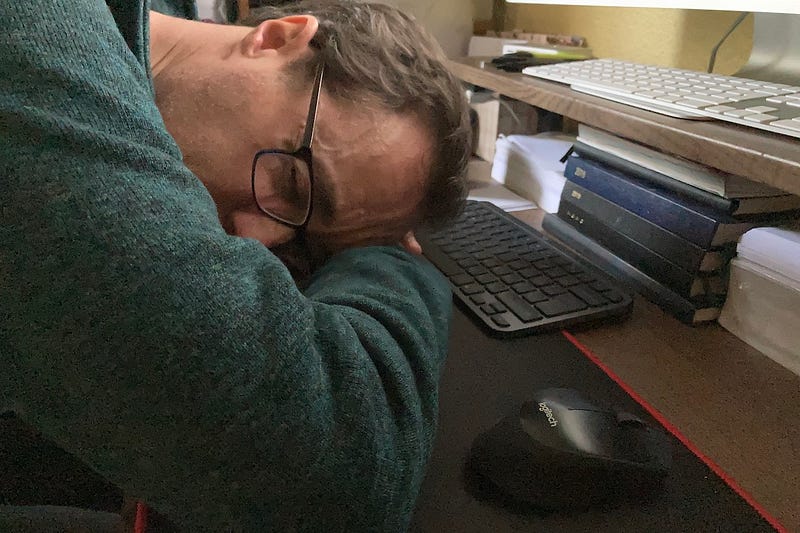
As writers, we can work from anywhere. Whether that be a desk, a park bench, slouched on the sofa, or walking and dictating into our phones, we have no excuse not to write.
And what about all those times when we settle down to sleep with a plot problem, and wake up the next morning with a solution? We’re so lucky, we can practically work 24/7.
Or can we? 🤔
Our writing business is all based upon creativity. It doesn’t matter whether we write novels, articles, poetry, short stories or stage plays — without the ability to come up with new ideas, capture them, and then write them in an engaging and entertaining way, we have no business.
But in the same way that corporate business gives employees annual leave to recover and refresh themselves, we as writers need to do the same.
In fact, taking a day off from our writing could help our creativity in the long run.
Gemma Amor is a horror fiction author, podcaster and voice actor. Angry Robot Books published her novel, Full Immersion, in September 2022. However, the novel nearly didn’t get written.
When I interviewed for another article I was writing, she told me how she experienced creative burnout during 2020, and missed several deadlines.
‘It usually takes me a while to recognise that I am burned out,’ she said, ‘because my schedule tends to be so busy I drop straight off one project, novel, or deadline and run smack bang into the next. I get very little breathing room in general, between writing and juggling being a parent and other things, so burnout always creeps up on me unseen, until I suddenly find myself unable to write.’
Burnout or blocked?
Writer’s block arises when we’re stuck with a plot problem, can’t think of the best opening line, and have fallen out of our usual writing rhythm.
Creative exhaustion prevents our brain from thinking. As Gemma explained, it’s not that you don’t want to write, it’s that you can’t.
‘I can always, always put words down, even terrible ones, except when I’m burned out,’ she said. ‘Then, not a single word. It’s torture. My brain is willing, but unable. This often goes hand-in-hand with a healthy dose of imposter syndrome, intense fatigue, anxiety and depression.’
I recently had an opportunity to interview Jason Hamilton, who is the Content Manager for the Kindlepreneur.com website. He’s also a psychology fantasy author who loves mythology and history, which he explores through his MythBank.com website.
He shared his recent creative burnout experiences with me.
‘It became rather evident I was in burnout when I was no longer looking forward to writing,’ he reveals. ‘I would sit at my computer, my hands would hover over the keyboard, and I would feel like I was having a mild panic attack. I just didn’t want to be there.’
As writers, we pressurise ourselves to perform. Those with day jobs and family commitments have limited writing time. The pressure to use that precious limited resource efficiently can be overwhelming. Similarly, full-time writers feel pressurised by the need to generate an income, through successful writing projects, and by meeting various deadlines.
Jason told me how this pressure further exacerbated his burnout.
‘I felt depression, despair, and a general lack of interest in doing what I previously loved to do. This came after I released the first two books in a series I was writing and it completely failed. It made nowhere near the money I was hoping for, so writing the remaining books was extremely difficult. I was so focused on creating best-selling products that when I knew they weren’t selling, I completely collapsed inward.’
Other signs of burnout include constant exhaustion, poor sleep, an inability to remember things, and poor physical health. Using stimulants (alcohol, caffeine, or drugs) just to get some writing done is a significant warning sign.
Recovery
Thankfully, we can recover from creative exhaustion. Gemma shared her top tips with me.
‘I force myself to rest, but I often switch to a pastime that helps me relax whilst still allowing me to feel like I can create things,’ she said.
‘I paint a lot, sew, take photos, sing, record lines for a podcast, whatever. . . something that gets me away from the computer where possible.’
She also physically takes herself away from her writing desk and consumes creative content in different formats.
‘I walk a great deal and listen to an awful lot of music. I try to indulge in movie marathons and audiobooks. I also use the time to reconnect with friends, get plenty of fresh air, sleep, and all the sensible things a person should do when overwhelmed. It takes time, but it does eventually work. Self-care is an extremely dunked upon but valid tool in your career tool box.’
When I asked Jason about taking a complete break, he agreed completely, but he also explained how he found it helpful to use this time to question his creative motivation.
‘The biggest step, the most important, and perhaps the hardest one to swallow,’ he said to me, ‘is to take a break. I also re-examined my reasons for wanting to be a novelist. Was it for money, or was it to improve as a writer? Fame or skill? I began to focus on the process rather than the destination, with the knowledge that every time I write, I am learning and improving as a writer. Lastly, I began slowly building up my writing muscles again. I started off with tiny habits that I slowly built on from there.’
Healing time
The recovery time will depend upon the severity of your burnout and the current situation.
‘During the pandemic,’ Gemma explained, ‘I was burned out for nearly two years, and I still feel like I’m just climbing out of all that. I regularly burn out several times a year, if not more, and how long recovery takes is down to the circumstances. Obligations, parenting duties, deadlines…it’s impossible to put a time limit on recovery in the context of our messy everyday lives.’
But Gemma now accepts that if she looks after herself, burnout is only a temporary situation. ‘It always came back, though, the spark. Always. Sometimes in fits and starts, others in a slow trickle.’
Jason’s recovery was longer, and he told me he wished he’d thought more intentionally about his recovery.
‘It took at least a year, and could have possibly taken less had I been more intentional about it. Creativity, I believe, doesn’t come spontaneously. It comes through consistent practice in whatever art you are pursuing, as well as engaging in worthwhile endeavours that fill the creative well, i.e. other forms of art/music, meditation, taking care of yourself physically, etc. Had I been more intentional about doing these things, I might have recovered earlier.’
Prevention practice
Prevention is better than cure, as Gemma reminded me. ‘It really doesn’t pay to run yourself into the ground if you can avoid it: recovery takes twice as long as taking measures to avoid it in the first place.’
She also explained how appreciative she is of her friends’ support.
‘Being surrounded with creative friends who often point out when I’m burning out is a big help. I can’t understate the importance of community in this gig. I have a group of friends who all tell each other to go to bed when they see us messing around on Twitter at ungodly hours. It sounds silly, but it helps.’
When I asked Jason for his prevention tips, he told me to consider my physical health.
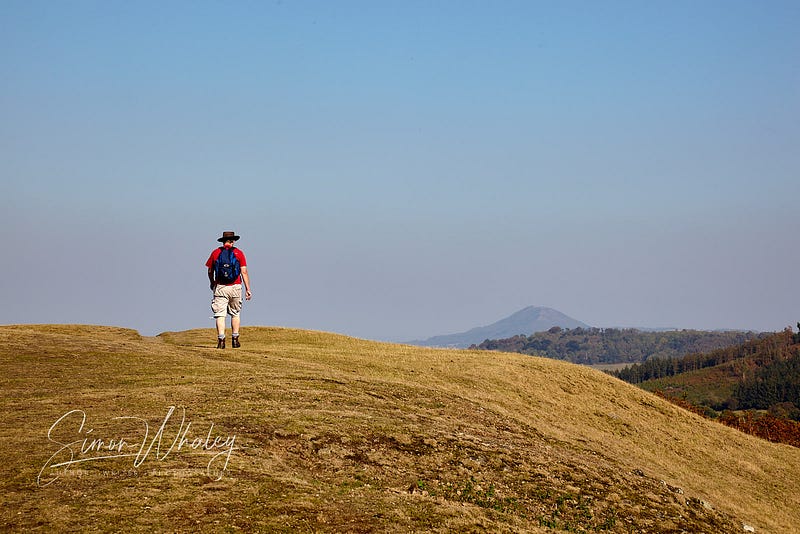
‘I had no idea how much sugar and processed foods had on my ability to focus and feel creatively fulfilled, but it really is a huge influence. Improving my diet has been the number one thing I have changed about my life that has led to burnout recovery. Exercise is great too, though not if you overdo it, and so is meditation.’
He’s also reappraised his daily motivations.
‘I try to focus more on creating daily habits rather than focusing on financial goals, or even project goals,’ he says. ‘If I can write steadily, those things will come eventually.’
Limit aware
Art is created, not produced.
We’re not robots, yet there are elements of this industry that require us to be robotic at times. Those writing for publication are subject to deadlines. Reader expectations put pressure on us. When’s the next book out? You wrote two last year. Will there be two more this year?
But, as Gemma pointed out, we need to get to know ourselves and, therefore, what our limits are.
‘I have extremely strict boundaries about what types of project I’ll take on, how many, and with whom,’ she explained.
‘How I like to communicate, how I like to spend my time, and routine really helps as well. And I moan a lot to friends. That helps too. Some of us know what it’s like to climb up the mountain, and having a climbing buddy is a definite advantage.’
Jason suggested we use the time to reappraise what we want from our writing, too.
‘Ask yourself if you’re in it for the money, or if you’re in it to tell the stories from your heart, or to improve as a writer.’
So, if you feel the muse isn’t with you today, perhaps it’s time to take a step back and give yourself a day off. In the long run, our writing business, and our bodies, will benefit from it.
Takeaway: Creative Exhaustion Recovery Plan
A good recovery plan could include running away from life’s pressures and giving ourselves time to breathe.
We need to refill that creative well, and a different environment can help us achieve that. So, instead of chaining yourself to a desk to write, consider a writing retreat.
But it’s not always possible to run away, so I asked each of my interviewees what their one piece of advice would be to other writers looking to avoid creative exhaustion. Here’s what they told me:
Gemma said, ‘It’s okay to stop. Stop trying, if the trying is making you feel terrible. I understand deadlines are a thing. I also know that it’s not always possible to just put down the pen and walk away. But in general, our brains can only produce so many thoughts, ideas, scenes, and words.’
Jason took the opportunity to remind me of the need to look after my physical body. ‘Make sure your health is in order. Lack of sleep and poor diet (seriously, sugar is a drug) are the number one enemies of a high-functioning creative mind. Focus on the journey, not the destination.’
We all need to look after ourselves. After all, our creativity depends on it.


