Freewriting Friday: Sunflowers sprouting through dirt
Creating Better Dirt — in Gardens and Ukraine
What can we do?
I was inspired by the inspirational quote included in this week’s Freewriting Friday prompt:
“Sunflowers end up facing the sun, but they go through a lot of dirt to find their way there.” ― J.R. Rim
We’re looking forward to creating a beautiful garden in our new home. And the most important thing for a garden is good soil. That got me thinking about what gardeners do to improve the soil, and what we, as an international community, can do to improve the “soil” of the Ukrainian situation, to help their “sunflowers” (a.k.a. the Ukrainian people) thrive.
Composting
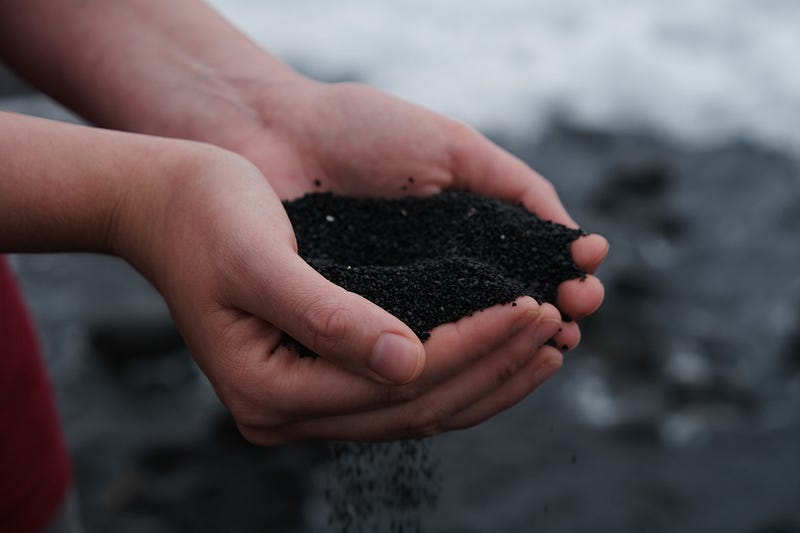
Composting, for those of you unfamiliar with this gardening blessing, is a way of converting unwanted plant matter (leftover kitchen scraps or lawn cuttings) into a rich black powder full of nutrients. There are many ways to accomplish it, but there are a few common elements, however, you do it.
1️⃣ Large piles of unwanted plant matter
Composting starts with scraps. You can fill a 3' square cube with yard waste, or a small counter-top trash container with kitchen scraps. Some systems start by laying a ground-work of sheets of old cardboard and newspaper — unwanted products of trees, then piling the fresh scraps and yard waste on top.
When it comes to the Ukraine, what is unwanted, that can be repurposed? We’ve seen leftover bottles and rags becoming Molotov Cocktails used as weapons. And, while normally civilians are the ones soldiers are protecting, many Ukrainian civilians are repurposing themselves as soldiers. Even retired professional soldiers from other countries are volunteering to join the Ukrainian army. Is there anything else that people or countries have an abundance of that could be useful for the people of the Ukraine?
2️⃣ Heat
Without heat, a compost pile is just a pile of trash. It will sit there, slowly decaying, but never becoming compost. In the field next to my house growing up, there were piles of grass clippings that someone had dumped there. It took about five years for them to slowly sink down to the ground. With heat, however, a compost pile comes alive.
The heat here is the invasion itself. Without that motivating factor, Ukraine would have kept on keeping on the way it had been. There was no need for compost because their sunflowers were growing just fine.
3️⃣ Moisture and Air
If you put fresh lawn clippings in a sealed trash can, you can create a spontaneous fire. That’s because the heat of decaying plant matter can quickly consume that plant matter, or light up nearby flammable objects. To manage a compost pile, you need to disperse the heat using moisture and air. Too much moisture and air, and the plant matter does not compost. Too little, and it can catch fire, or kill off the organisms inside it. Many composters have a tumbling function to help with this, or you can turn the compost yourself with a garden fork.
The rest of the world provides the moisture and air for the conflict in Ukraine. European nations are taking in refugees. Nations, organizations, and individuals are sending money and supplies. All of this helps keep the heat going, without it becoming a flashpoint.
4️⃣ Bacteria, fungi, and earthworms
The final thing that is required for a compost pile to work is the right kind of agent to eat the organic matter. A “dead” compost pile will not break down, because there is nothing there to eat the plant matter. It also has to be a type of bacteria, fungi, or earthworm that is capable of breaking down the type of plant matter included. For example, my nature-loving friends back in Colorado would get incensed over hikers who tossed banana peels into the woods. Those would stay there for years, never decaying, because the high-altitude Rocky Mountains could not support the bacteria that ate bananas.
I think the bacteria-analog in this case is the news and social media. This is what is “digesting” the situation into something that average people can consume and understand.
Mycelium Networks
If you saw the movie Avatar, with the glowing roots of energy connecting all of the trees, you understand the concept of mycelium networks.
Mycelium is a type of fungus that creates long strings and dense, crisscrossing networks underground. If all the mycelium in a 1-inch-square inch of soil was stretched out, it would run for 8 miles. These networks are able to pass nutrients along their lengths, giving and receiving from roots they encounter on the way.
Benefits of mycelium
According to the website Insteading, mycelium produces the following benefits:
- Makes plants more drought resistant
- Reduces soil erosion
- Protects against pathogens and encourages beneficial bacteria
- Removes toxins and pollutants from the soil
- Increases micronutrients
In other words, the mycelium helps plants to thrive, by giving them more of what’s good for them, and by protecting them from things that are bad for them.
I know in my own garden, we used a mycelium treatment to help diseased plants recover. The HOA for our development cut away all the diseased parts of neighborhood bushes, and one of our bushes looked like little more than a stump. The following year, the HOA had to pull and replant many dead bushes, but ours was thriving and lusher than ever.
We treated all of the decorative trees planted on our property, and 8 years later (after one treatment), our front tree was half-again as tall and three times as full as our neighbor’s tree. They’d been virtually identical before the treatment.
A long-term solution
The key to the mycelium’s power lies in its network. It is able to break down toxins and pollutants, as well as organic wastes of many types, and convert them into nutrients. Rather than “scorching” the soil from an overabundance of nutrient in one location, it can spread the nutrient over a large area.
So what networks can be developed to help Ukraine? How can we help them to get rid of physical, emotional, and mental damage from the war (“toxins and pollutants”)? How can that be spread out to reduce the negative impact and increase the positive impact?
This isn’t as easy to identify as the corollaries to composting. But I think it’s more important, in the long run. Adding compost to a garden is a short-term solution for that season’s plants. Adding mycelium to a garden is a long-term solution for years to come.
The compost analog will help the Ukrainians get through the war. The mycelium analog will help them to thrive afterward, as well as help protect from future invasions.
Different elements of networks
Part of this network needs to be at the country level. Treaties and agreements between Ukraine and other nations that allow transmission of needed items across borders, and increase the country’s defense.
But much of it needs to be at the human level.
I’m a big believer in the importance of energetics. What we give our attention to is what we empower. So the single most important thing we can do to support Ukraine over the long term is to remember it.
Don’t let this war be forgotten as soon as the news media moves on to the next disaster. Don’t decide that you have had enough of bad news and tragedy, and refuse to listen to any more news on Ukraine. There’s plenty of inspiring, life-affirming news coming out if you look for it.
If your area has taken in refugees, don’t think that your task stops with giving them a place to live and something to eat. There is a wound here, even if they received no physical damage. Help them to process their feelings and emotions, so that they can thrive in the future.
Finally, for all the energy workers out there, do what you can to support Ukrainians on an energetic level. There may be nothing you can do for the nation as a whole. But individual people may be open to receiving energetic healing. Help them.
Thank you, Ellie Jacobson, for this spark.
Barb Dalton 🇺🇦 has an interesting article on the impact of the war on people and pets:
And Anastasia Frugaard’s article reminds us that there are victims on both sides: