
Creating an Eco-Friendly Garage: Sustainable Practices and Products for Your Garage
A Guide to Transforming Your Garage into an Environmentally Responsible Space

In an era where climate change and environmental sustainability are at the forefront of global discussions, making environmentally conscious choices has never been more crucial.
Our everyday actions, no matter how small they might seem, can collectively have a significant impact on the well-being of our planet.
While many people are already making efforts to reduce waste, conserve energy, and embrace sustainable practices in various aspects of their lives, there is one area that often gets overlooked — the garage.
Imagine your garage as more than just a storage space or a shelter for your car. Think of it as a potential hub of sustainability; a space where eco-friendly practices can thrive.
Creating an eco-friendly garage is an innovative and practical way to contribute to environmental sustainability.
By adopting sustainable practices and products in your garage, you can decrease energy consumption, reduce waste, and minimise your carbon footprint.
In this guide, we will walk through various steps and options to transform your garage into an eco-friendly sanctuary.
We will look at energy-saving products that can reduce your electricity bills, eco-friendly building materials that are kinder to the environment, sustainable storage solutions that promote recycling and repurposing, green transportation alternatives that encourage a healthier lifestyle, and smart technology integrations that can automate and monitor your garage’s energy consumption.
By the end of this article, you’ll be equipped with the knowledge and resources needed to make your garage a shining example of environmental stewardship.
Understanding the Environmental Impact of a Garage
When most people think of environmental pollution or resource wastage, garages seldom come to mind. However, traditional garages can contribute significantly to environmental issues.
For instance, old and inefficient lighting fixtures often found in garages consume excessive amounts of energy.
According to the U.S. Department of Energy, standard incandescent bulbs used in many garages use 75% more energy than LED alternatives.
An improperly insulated garage door can also significantly affect the energy efficiency of your home, resulting in higher heating and cooling costs. For attached garages, this could raise annual energy costs by 10–20%.
The materials used in garage construction, such as certain types of insulation or paints, may also not be sustainable and can release harmful chemicals.
A study by the EPA shows that paints and finishes in garages can release VOCs (Volatile Organic Compounds) that contribute to pollution and can even affect indoor air quality.
Cluttered garages can often also become a source of waste, as unused items are eventually thrown out.
Transitioning your garage into an eco-friendly space comes with a plethora of benefits, not just for the environment, but also for yourself:
- Energy Efficiency and Cost Savings: By incorporating energy-efficient lighting and proper insulation, you can drastically reduce energy consumption, resulting in lower utility bills.
- Healthier Living Space: Using materials with low or no VOCs and keeping your garage well-organised can improve air quality and create a healthier space for you and your family.
- Reduced Carbon Footprint: Opting for sustainable building materials and waste-reducing storage solutions helps in reducing your carbon footprint, thus contributing positively to the environment.
- Contribution to Environmental Conservation: By actively making choices that are environmentally responsible, you are contributing to wider conservation efforts that protect natural resources and combat climate change.
- Enhanced Property Value: Eco-friendly garages are increasingly in demand. By making your garage sustainable, you’re not only contributing to the environment but possibly enhancing the value of your property.
By understanding the impact traditional garages can have on the environment, we can make informed decisions on how to turn them into spaces that are beneficial for both us and the planet.
Energy Efficiency

Garages, often perceived as mere storage spaces or parking spots for vehicles, can surprisingly be significant contributors to a household’s energy consumption.
Between lighting, garage door openers, and temperature fluctuations due to poor insulation, the energy usage can quickly add up.
Managing this energy consumption effectively is a key aspect of transforming your garage into an eco-friendly space.
LED Lighting
One of the easiest and most effective upgrades you can make in your garage is switching to LED lighting.
LEDs use a fraction of the energy compared to traditional incandescent or halogen bulbs and have a much longer lifespan.
They also provide better illumination, which is particularly beneficial in a space like a garage where good lighting is essential for safety and functionality.
Energy-efficient garage door openers
Modern garage door openers are not only more efficient in their energy consumption, but many models also come with smart features. Look for a garage door opener with a good energy rating.
Some units even operate on standby mode, which consumes less power when the opener is not in use.
Additionally, consider models with battery backup systems that are solar-compatible.
Insulated garage doors
The garage door is one of the largest openings in a home, and as such, it plays a significant role in energy efficiency.
An insulated garage door helps in maintaining a consistent temperature inside the garage, which is particularly beneficial if the garage is attached to the house.
This not only helps in reducing energy consumption but also in maintaining the longevity of items stored in the garage.
The importance of regular maintenance to ensure energy efficiency
Keeping your garage energy-efficient is not a one-time task; it requires regular maintenance.
Ensure that seals on the garage door are intact to prevent drafts, clean and check the lighting fixtures regularly, and keep the garage door opener in good working order.
Regular maintenance not only helps in keeping the energy consumption in check but also extends the lifespan of various components.
Potential savings and environmental benefits of energy efficiency
By implementing energy-efficient measures in your garage, you can see substantial savings in your energy bills.
For example, switching to LED lighting can save up to 80% of the energy used by incandescent bulbs. Insulated garage doors can cut down heating and cooling costs by maintaining a more stable temperature.
Moreover, reducing energy consumption means less reliance on non-renewable energy sources, which in turn contributes to the reduction of greenhouse gas emissions. This is an essential step towards combating climate change and promoting a more sustainable environment.
Focusing on energy efficiency in your garage is a win-win — it’s beneficial for both your wallet and the planet.
Eco-Friendly Building Materials

Building materials plays an important role in determining the sustainability of any structure, including garages.
Traditional building materials are often resource-intensive and can have a detrimental effect on the environment.
Some conventional materials also release harmful substances over time, which can be detrimental to both the environment and human health.
By opting for eco-friendly building materials, we can create more sustainable spaces that are in harmony with nature and contribute to a greener future.
Recycled or Reclaimed Wood
Wood is a common material used in garages for framing, shelves, and workbenches. Instead of using new wood, consider using recycled or reclaimed wood.
Not only does this reduce the demand for freshly-cut lumber, which helps in forest conservation, but it also gives a unique and rustic appeal to your garage.
Sustainable Insulation Materials (e.g. cellulose, wool)
Insulation is vital for energy efficiency, especially in garages. Sustainable insulation materials like cellulose (made from recycled paper) or wool are excellent alternatives to traditional fiberglass insulation.
These materials are not only effective in regulating temperature but are also produced in more environmentally friendly ways.
Low VOC Paint
Volatile Organic Compounds (VOCs) are chemicals found in traditional paints that can be harmful to indoor air quality and the environment.
Opt for low VOC or VOC-free paints when painting your garage. These paints are better for your health and reduce the emission of harmful substances into the atmosphere.
Considerations for choosing eco-friendly building materials
When selecting eco-friendly building materials, consider the following aspects:
- Sustainability: Research the origins of the materials and how they are produced. Opt for materials that are renewable or made from recycled content.
- Energy Efficiency: Choose materials that contribute to energy conservation, such as effective insulation materials.
- Health and Safety: Look for materials that do not emit harmful substances and contribute to a healthier indoor environment.
- Durability: Eco-friendly doesn’t always mean durable. Ensure that the materials you choose are long-lasting to reduce the need for frequent replacements.
Using eco-friendly building materials reduces your carbon footprint in several ways:
- Conservation of Resources: By using recycled or reclaimed materials, you are reducing the demand for new resources, which in turn reduces the energy and emissions associated with extracting and processing raw materials.
- Reduction in Energy Consumption: Sustainable insulation materials can significantly reduce the energy required for heating and cooling, leading to lower greenhouse gas emissions.
- Minimised Pollution: Using low VOC paints and other non-toxic materials reduces the emission of harmful substances, contributing to cleaner air and a healthier environment.
Sustainable Storage Solutions
For many households, the garage serves as a multi-purpose space that goes beyond parking vehicles. It often becomes a storage area for tools, seasonal items, sports equipment, and more.
However, traditional storage solutions can be resource-intensive and contribute to clutter, which may lead to unnecessary waste.
By adopting sustainable storage solutions, you can maximise the functionality of your garage while minimising its environmental impact.
Tips for creating sustainable storage include:
Using second-hand shelving and cabinets
Instead of buying brand new shelves and cabinets, consider purchasing second-hand ones or repurposing old furniture.
Not only is this often more cost-effective, but it also reduces the demand for new materials and the energy consumed in production.
Check local listings, thrift stores, or ask family and friends if they have any shelving or cabinets they no longer need.
Recycling and repurposing items for storage
Get creative with the items you already have! Old jars can be used to store nails and screws, while an old pegboard can be mounted on the wall to organise tools.
By repurposing items you already own, you are minimising waste and creating a storage solution that is both functional and environmentally responsible.
Implementing a waste reduction system (recycling bins, etc)
As garages often become a collection point for items that are no longer needed, it’s important to have an effective waste reduction system in place.
Set up clearly labeled recycling bins for different materials such as paper, plastic, and glass.
Also, consider having a designated space for items that can be donated or sold. This not only keeps your garage organised but encourages responsible disposal practices.
Sustainable storage solutions in your garage can help in creating an organised and functional space that is aligned with your environmental values.
By making mindful choices in storage, we can reduce waste, conserve resources, and create a more sustainable living environment.
Green Transportation Alternatives
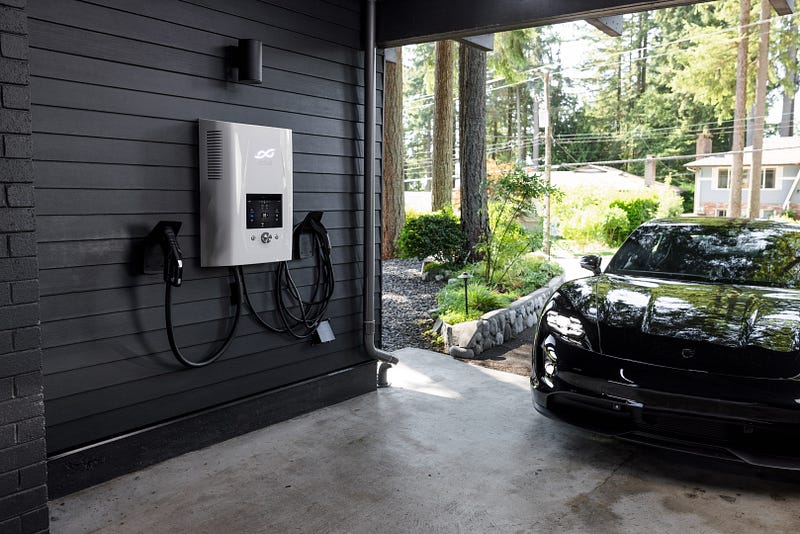
Traditionally, garages have been primarily used to house vehicles, acting as a protective shelter and a hub for automotive maintenance.
However, as society moves towards greener alternatives in transportation, the role of the garage can evolve to accommodate and support these sustainable options.
By modifying our garages to facilitate green transportation, we are making a conscious effort to reduce our carbon footprint and contribute to environmental sustainability.
Installing Electric Vehicle Charging Stations
As electric vehicles (EVs) continue to rise in popularity due to their reduced emissions and environmental impact, having a home charging station becomes increasingly valuable.
By installing an EV charging station in your garage, you are not only making it more convenient to own and use an electric vehicle but also encouraging the adoption of cleaner transportation alternatives within your household.
Creating Space for Bicycle Storage and Maintenance
Cycling is an eco-friendly mode of transportation that is not only good for the environment but also for your health. Dedicate a space in your garage for bicycle storage and maintenance.
Install hooks or racks for efficient storage, and keep tools and accessories handy for regular maintenance. This encourages cycling as a viable transportation option and promotes a healthier, more sustainable lifestyle.
Benefits of green transportation to the environment and personal health
Opting for green transportation alternatives and adapting your garage to support them has far-reaching benefits:
- Reduced Carbon Emissions: Electric vehicles and bicycles emit significantly fewer greenhouse gases compared to traditional gasoline-powered cars, helping combat climate change.
- Improved Air Quality: With reduced emissions, the air quality improves, leading to a healthier environment for everyone.
- Cost Savings: Electric vehicles are often more cost-efficient in terms of fuel consumption, and cycling incurs almost no costs.
- Health Benefits: Cycling is a form of exercise that improves cardiovascular health, increases fitness levels, and reduces stress.
- Conservation of Natural Resources: Using green transportation helps in reducing the demand for fossil fuels, leading to conservation of these non-renewable resources.
Adapting your garage to facilitate green transportation options is an impactful way to contribute to environmental sustainability and personal well-being.
It reflects a commitment to making choices that are not only beneficial for you but also for the planet.
Smart Technology Integration
In the age of the Internet of Things (IoT), smart technologies have permeated various aspects of our lives, including our homes and garages.
These technologies not only add convenience but can also play a pivotal role in enhancing the eco-friendliness of our garages.
By integrating smart technologies, we can monitor and control different elements within the garage to ensure that they are aligned with sustainable living goals.
Smart Thermostats
One of the key smart technologies that can be integrated into your garage is a smart thermostat. Particularly if your garage is attached to your home or if you use it as a workspace, regulating the temperature efficiently is important.
Smart thermostats allow you to control the temperature remotely and can learn your patterns to optimise energy usage. Some models even provide insights on energy consumption, helping you make informed decisions.
Energy Monitoring Systems
Energy monitoring systems are invaluable tools for a sustainable garage. These systems track the energy consumption of your garage in real-time, allowing you to identify which appliances or systems are using the most energy.
By having this information at your fingertips, you can make adjustments to reduce energy consumption. Some systems also allow you to set alerts for unusual energy usage, which can be helpful in identifying issues early on.
How integrating smart technology can contribute to a more sustainable lifestyle
Integrating smart technology into your garage contributes to a more sustainable lifestyle in several ways:
- Optimised Energy Usage: Smart technologies like thermostats and energy monitors allow for the optimization of energy consumption, ensuring that resources are used efficiently.
- Informed Decision Making: By providing real-time data on energy consumption, smart technologies enable you to make informed decisions regarding your usage patterns and habits.
- Convenience and Control: The ability to control various elements of your garage remotely adds convenience and ensures that you can make adjustments even when you are not physically present, reducing wastage.
- Cost Savings: Efficient energy usage can lead to significant savings on utility bills, which not only benefits your wallet but also reduces the environmental impact.
Smart technology integration is a forward-looking approach to making your garage an eco-friendly space. It offers control, convenience, and crucial data that can inform your sustainability efforts and contribute to a greener lifestyle.
The garage, often overlooked, has the potential to make a significant impact on both the environment and our quality of life.
Through mindful choices in energy consumption, building materials, storage solutions, transportation alternatives, and smart technology integration, we can transform this utilitarian space into an emblem of environmental responsibility.
The importance of an eco-friendly garage stems from its potential to reduce our carbon footprint, optimise resource usage, and contribute to a healthier living environment.
It is a reflection of our commitment to not only bettering our own lives but also protecting the planet for future generations.
However, this transformation doesn’t have to be monumental overnight. Taking small, incremental steps towards sustainability can make the process more manageable and still have a positive impact.
Whether it’s replacing your lights with LEDs, setting up a recycling bin, or simply being more mindful of energy consumption, every action counts.