CREATIVITY | LIFESTYLE |FORMAL WEAR
Create Beautiful Bead Embellished Garments Designed and Made Well
Bead embroidery can be one of the most expressive methods
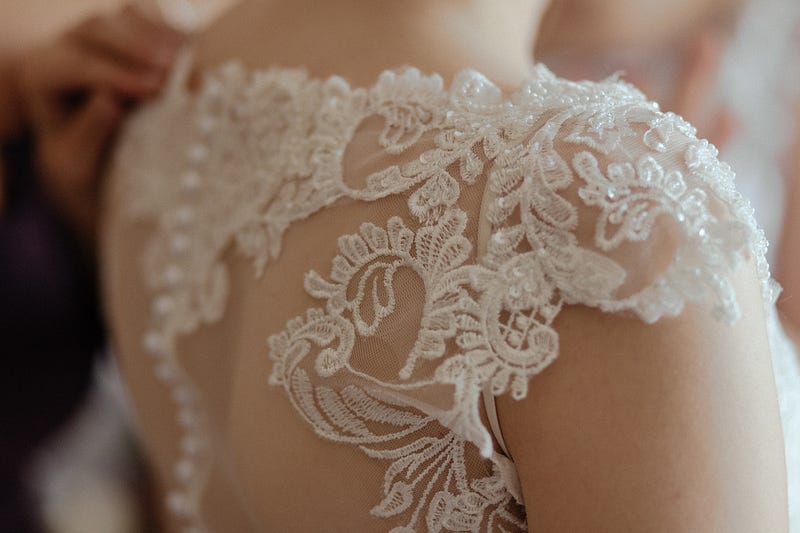
Patternmaking Featuring Bead Embellishment
When designing a garment that you want to do any bead embroidery or embellishment, you start with the design basics — shape, detail, and how the garment is worn. Bead embellishment can be done on garments from jean jackets to very upscale wedding gowns. There is no limit on bead design. The limitations come more in bead placement, so the overall look is creative and beautiful.
There is no limit on bead design
Bead embroidery can be one of the most expressive, most satisfying methods of beadwork you will do.
You can use any fabric that you can get a needle through. Bead embroidery has been around for generations and is valued highly in the haute couture fashion world. Beads on fabrics look great not only on dresses, gowns, and in fashion but also add that something extra on bags, hats, shoes, and belts.
How to do Bead embellishment on garments
Basic Beading requires only a needle, thread, and beads. There are just two stitches to learn: a stop stitch and a running stitch.
Materials:
1. Beads: You can sew most beads to fabric. You can use seed beads because they are small and sit nicely on fabric. There are many choices to select your beads from, so be creative. Here are a few options: Delicas, Czech seed beads, Japanese seed beads, larger beads.
2. Beading Needle: These are longer and thinner than regular needles to go through small beads like seed beads. However, they are weaker than most needles, so they can bend and break more easily.
3. Beading thread: You can buy special beading thread (nylon) coated and primarily protect the thread from fraying, knotting, and tangling. I prefer regular sewing thread in the same color the entire project, so it does not distract from the design.
4. Fabric you want to bead.
Things to remember about beading fabric:
· Stitches should be secure but not pulled overly tight or left too loose. Maintain an even tension.
· Placing the project in an embroidery hoop helps you keep the tension (how tight you pull the stitches) more, even preventing puckering or wavy work.
· Mark placement of design with a chalk pencil or a water-soluble marker.
· Take a backstitch every one or two inches to secure. When you do this, if anything happens to break a bead or the thread, only a few stitches between the back stitches will come out, rather than the entire line of beads.
Begin with the pattern making of the garment design. Put the bead embellishment into the process and create beautiful bead embellished garments designed and made well. You have a successful finished garment that you or your customer will want to wear and enjoy having as part of a unique wearable wardrobe.