
“Crafting a Greener Future.”
Sustainable Practices in the Fashion Industry.
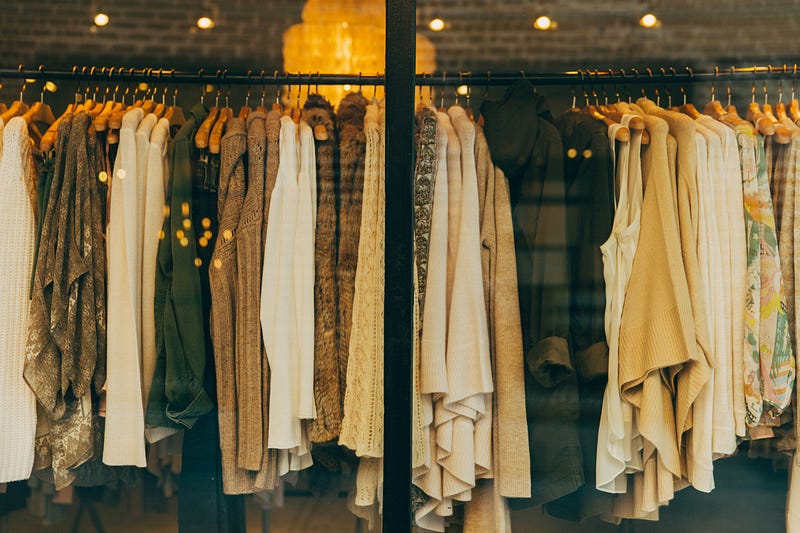
The fashion industry, which has always been associated with style and creativity, is coming to value sustainability as a fundamental value. Fashion manufacturers and customers are reconsidering conventional methods and adopting sustainable alternatives due to an increasing consciousness of the environmental and social consequences of their actions. A new age of responsible fashion is being heralded by a shift towards eco-friendly techniques in design, manufacturing, and consumption.
Sustainable fashion is fundamentally about reducing the negative effects on the environment and fostering social responsibility along the whole supply chain. This means reassessing each phase of the fashion lifecycle, including the procurement of raw materials, production methods, and disposal at the end of life. Fashion brands that prioritize sustainability are tackling problems like deforestation, water pollution, and unfair labor practices in addition to lessening their carbon footprint.
The source of materials is one of the biggest problems facing the fashion industry. The manufacture of conventional textiles mostly depends on materials that are high in resources, such as cotton, which needs a lot of land, water, and pesticides. In response, eco-friendly clothing companies are looking into substitute materials and fibers that have a lower environmental impact. Hemp, bamboo, organic cotton, and recycled fibers derived from post-consumer waste are examples of this.
Moreover, ethical sourcing methods that give top priority to respect for workers’ rights, safe working conditions, and fair compensation are included in sustainable fashion. Fashion businesses may guarantee the ethical and transparent production of their products by collaborating with suppliers and manufacturers who follow labor norms and certifications.
Eco-friendly manufacturing techniques are essential for minimizing the environmental impact of fashion production, in addition to sustainable sourcing. This entails using fewer chemicals throughout the production process, cutting waste, and using energy-efficient technology. To reduce water use and pollution, for instance, novel dyeing processes, including waterless dyeing and natural colors, are being used.
Moreover, sustainable fashion encompasses distribution, shipping, and packaging in addition to the production phase. Fashion producers are increasingly embracing recyclable and biodegradable packaging materials in an attempt to reduce waste and carbon emissions. More work is being done to optimize supply chain logistics and look at alternate forms of transportation, such as local manufacturing and carbon-neutral shipping, in an effort to lessen the environmental effect of the fashion distribution industry.
Demand and consumer knowledge are key factors that propel the fashion industry’s adoption of sustainable methods. Consumers are increasingly looking for sustainable and ethically made fashion options as they become more aware of the effects their purchases have on the environment and society. Fashion firms are prioritizing sustainability and transparency in their operations as a result of the shift in customer behavior, which will ultimately result in more responsibility and good transformation within the sector.
To summarize, everyone involved in the fashion industry — designers, buyers, and legislators — must collaborate to build a more ecologically responsible future. The fashion industry may reduce its environmental impact and promote social responsibility by using sustainable practices at all stages of the supply chain, from sourcing to manufacture to consumption. Sustainability has the potential to influence a more fair and environmentally conscious future for fashion as it becomes an increasingly major aspect of the industry.