
Crafting a Captivating Website Palette that Casts a Spell
Choosing the Perfect Color Palette
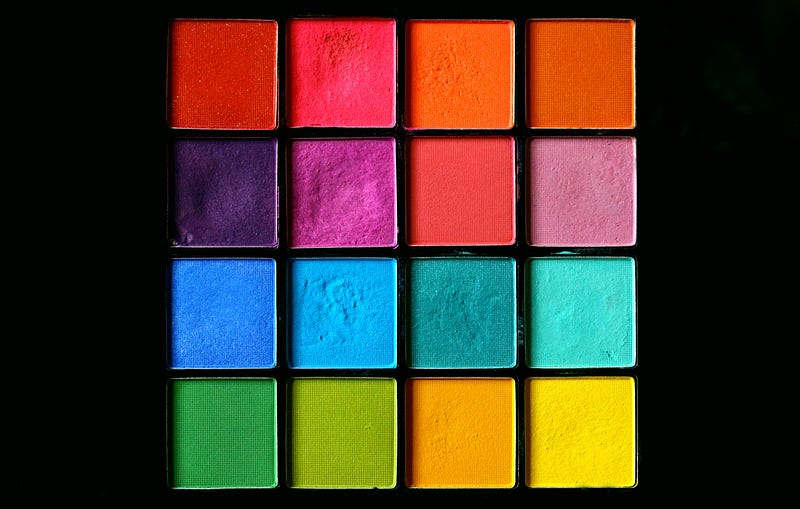
Color is more than simply a visual component in web design; it’s a potent enchantment that has the ability to influence user perception, arouse feelings, and direct the user experience. Selecting the appropriate color scheme for your website is like using a magic wand to turn a blank digital canvas into a captivating and immersive environment. With the help of this advice, you will be able to create a website palette that not only attracts visitors but also makes a lasting impression on them.
Cracking the Code of the Color Wheel
The color wheel, a mysterious diagram that determines the interactions between colors, is at the center of any entrancing color scheme. Primary colors serve as the basis from which secondary and tertiary hues branch out. Analogous hues, which are next on the color wheel, provide a harmonious combination, whereas complementary colors, which are placed opposite one another, produce striking contrasts. Equidistant hues combined to produce triadic combinations create balance. Explore the magic of the color wheel to create a palette that complements your brand identity.
Psychology of Colors
Use color psychology to add meaning and emotion to your website. One may argue that red, the color of passion and urgency, is ideal for a call-to-action button. Because cool blues inspire peace, they are perfect for creating a calm online atmosphere. Every hue has a symbolic meaning that affects how users perceive and behave. Think about cultural connotations as well. For instance, in certain Eastern cultures, white is connected with sorrow, yet in Western societies it represents purity.
Data-Driven Palette Selection
Make your color decisions based on the numbers. A/B testing various color variations can provide information about the preferences and actions of users. Examine heatmaps to see where users are concentrating their attention. Making decisions based on data guarantees that your color scheme improves user engagement and conversions in addition to being aesthetically pleasing. There are countless case studies of websites that saw major gains just by adjusting their color schemes in response to user data.
Accessibility Alchemy
The secret to developing a website that is accessible to everyone is accessibility alchemy. To guarantee readability for persons with visual impairments, take color contrast ratios into consideration. To ensure that your color selections don’t unintentionally exclude any audience, make use of resources like the Web Content Accessibility Guidelines (WCAG). A color scheme that celebrates diversity increases the impact and audience of your website while still upholding ethical design standards.
Magic of Branding
Your color scheme works like a powerful charm to help people recognize your brand. A unified brand identity is cultivated through consistency on your website and other brand assets. Consider the calming blue of Facebook or the famous red of Coca-Cola; these colors have come to represent the companies. Bring personality to your color scheme. For example, a tech business may choose to utilize sleek black and blue hues, whereas a brand with a natural theme would choose earthy green and brown tones.
As you set out to become an expert in web design, keep in mind that your color scheme tells a story that is integrated into the digital fabric of your business rather than just being an aesthetic choice. You can create a spell that not only draws visitors in but also improves user experience, encourages accessibility, and strengthens the presence of your business by grasping the art and science of color selection. Unleash the power of the ideal color scheme, and see how your website transforms into an enthralling space that visitors are drawn to explore and love.
If you enjoyed my article, I would greatly appreciate your support in my creative work. The easiest way to do so is by simply buying me a coffee. Thank you very much for your support.