
CPU, GPU, TPU, DPU, QPU: What They Are and Why You Should Care

In the world of computing, there are many different types of processors, each with its own strengths and weaknesses. Some processors are better suited for certain tasks than others. In this blog post, we will discuss five different types of processors: CPU, GPU, TPU, DPU, and QPU.
CPU (Central Processing Unit):
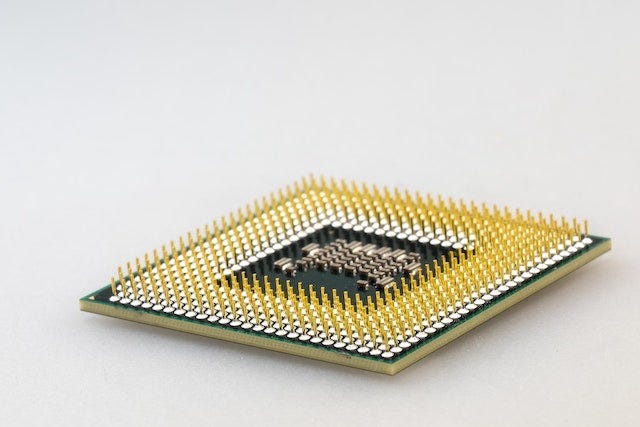
The CPU is like the brain of your computer. It handles all the essential tasks that make your computer work, such as running programs, managing files, and performing basic calculations. Think of it as the manager of a company, making sure everything runs smoothly.
GPU (Graphics Processing Unit):
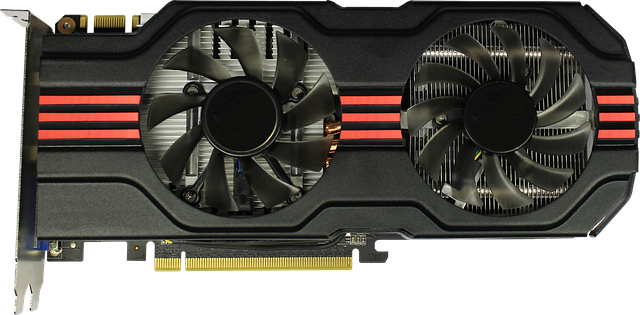
A GPU is the artist of your computer. It’s designed to handle tasks related to graphics and visual processing. When you play video games, watch videos, or edit photos and videos, the GPU does most of the heavy lifting to make those visuals look good. It’s like having a specialized artist to create beautiful images and animations.
TPU (Tensor Processing Unit):
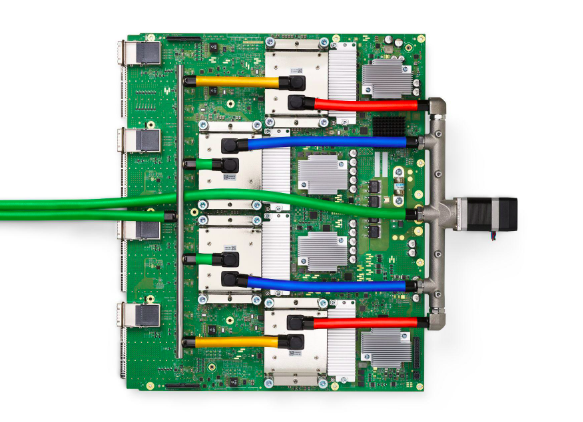
TPUs are like the math wizards of the computer world. They are specialized for tasks involving artificial intelligence, particularly deep learning and neural networks. When you use AI for things like voice recognition, image analysis, or self-driving cars, TPUs help with the complex calculations. They are particularly well-suited for training and deploying large neural networks. Think of them as super-fast mathematicians dedicated to solving AI problems.
DPU (Data Processing Unit):

DPUs are like efficient data managers. They’re designed to handle data-related tasks, such as data compression, encryption, and network processing. DPUs help make data transfer and storage more secure and efficient, making sure your data gets to where it needs to go without errors.
QPU (Quantum Processing Unit):

QPUs are the future of computing. They work with quantum bits (qubits) instead of regular bits (0s and 1s). Quantum computers have the potential to solve complex problems much faster than traditional computers. Think of QPUs as computers from the future, capable of solving problems that are practically impossible for today’s computers.
Conclusion
In summary, CPUs manage overall tasks, GPUs handle graphics and visuals, TPUs are specialized for AI, DPUs manage data efficiently and best suited for data processing, and QPUs are quantum computers with incredible problem-solving potential. Each of these units plays a specific role in making your computer and other technologies work effectively.
Useful Links
Nvidia Blog on QPU, DPU Intel Blog on GPU: How GPU Works by Google


