avatarTourism Geographic Editor

Free AI web copilot to create summaries, insights and extended knowledge, download it at here

5582

Abstract

alcoholics, for reasons yet obscure, have lost the power of choice in drink. Our so-called will power becomes practically nonexistent. We are unable, at certain times, to bring into our consciousness with sufficient force the memory of the suffering and humiliation of even a week or a month ago. We are without defense against the first drink.</p></blockquote><blockquote id="b97c"><p>~ The Big Book, page 24.</p></blockquote><p id="2733">I mumbled something about doing more therapy sessions to stay in touch with my baseline feelings, but my new sponsor was having none of it.</p><p id="e1c9">‘This isn’t an emotional issue!’ he said, cutting in. ‘This is a memory issue that no amount of therapy you chose to throw money at will solve.’</p><p id="1800">He even suggested that the mental blank spot could be similar to a form of amnesia or dementia that science hasn’t picked up on yet.</p><p id="4ad6">‘But why hasn’t science picked up on it?’ I asked, holding the phone tightly.</p><p id="26fb">‘Probably because this blank spot only happens at certain times. Most of the time, it lays dormant.’ he replied before warning,</p><p id="337a">‘And unfortunately, this dormancy feature gives us an illusion of power. We think we’ve got sobriety now because our memory and willpower function normally again. Until, the condition randomly comes back online, and we relapse, leaving us totally baffled as to why it happened.’</p><p id="a3e9">My new sponsor sighed deeply.</p><p id="f455">‘It’s heartbreaking,’ he said softly. ‘Especially if you’ve relapsed after being multiple years clean. But it is sadly needed to show you that you are genuinely powerless, regardless of how much you desire and want to be sober.’</p><p id="969d">My head was spinning. Every sentence felt like the jolt of an electric cattle prod.</p><p id="8e0a">Later that day, I looked back at my recent relapses. I found no real conscious memory of consequences before any of them.</p><p id="352f">It appeared relapse was happening to me, not by me.</p><blockquote id="8aba"><p>As soon as I regained my ability to think, I went carefully over that evening in Washington. Not only had I been off guard, I had made no fight whatever against the first drink. This time I had not thought of the consequences at all. I had commenced to drink as carelessly as though the cocktails were ginger ale. I now remembered what my alcoholic friends had told me, how they prophesied that if I had an alcoholic mind, the time and place would come — I would drink again. They had said that though I did raise a defense, it would one day give way before some trivial reason for having a drink. Well, just that did happen and more, for what I had learned of alcoholism did not occur to me at all. I knew from that moment that I had an alcoholic mind. I saw that will power and self-knowledge would not help in those strange mental blank spots. I had never been able to understand people who said that a problem had them hopelessly defeated. I knew then. It was a crushing blow.</p></blockquote><blockquote id="93f7"><p>~ The Big Book, page 41.</p></blockquote><figure id="7922"><img src="https://cdn-images-1.readmedium.com/v2/resize:fit:800/0*n4r4HuNFWSnCD_WU"><figcaption>Photo by <a href="https://unsplash.com/@alicealinari?utm_source=medium&amp;utm_medium=referral">Alice Alinari</a> on <a href="https://unsplash.com?utm_source=medium&amp;utm_medium=referral">Unsplash</a></figcaption></figure><h2 id="287c">A Belief That It Will All Be Alright.</h2><p id="baea">Sadly, the ‘blank spot’ wasn’t all that was happening.</p><p id="7c3e">My new sponsor later explained that something else was happening in my mind, a kind of twisting of my thinking that I couldn’t see either.</p><p id="02a0">This is the other main feature of the relapse condition.</p><p id="da70">The Big Book explains it as follows:</p><blockquote id="f067"><p>But there was always the curious mental phenomenon that parallel with our sound reasoning, there inevitably ran some insanely trivial excuse for taking the first drink. Our sound reasoning failed to hold us in check. The insane idea won out.</p></blockquote><blockquote id="4ad8"><p>~ The Big Book, page 37.</p></blockquote><p id="da58">Anytime the ‘good idea’ of relapsing suddenly popped into my head, part of me would start to minimise the lunacy of this thought.</p><p id="e2c7">I would begin to rationalise this catastrophic idea with excuses and reasons why it would be, in fact, okay to relapse despite being in recovery.</p><p id="432a">No matter how insignificant and non-sensical those reasons were, they quickly became plausible and seemingly rational.</p><p id="6997">At the same time, the urge to want to relapse would start to surge.</p><p id="cdc4">A fear of missing out would relentlessly come crashing in like waves rolling in and out of my consciousness.</p><p id="b225">Thoughts and narratives of why it would be okay this time would dominate my thinking.</p><p id="fe2d">Finally, a tidal wave of justification would smother me into deep unconsciousness.</p><p id="c65b">Convinced of my rationale, I would carry out my plan, only to revert back to type and do everything I said I wouldn’t do, and again, find myself powerless to stop once I started.</p><p id="34a2">This twisted thinking was nothing more than a lie, but I believed the lie and didn’t see the flaw in the logic in light of my track record with partying.</p><p id="888a">To any average person, this kind of thinking and decision-making would be termed irrational, unsound, or even insa

Options

ne.</p><p id="d880">The Big Book calls this thinking an <i>‘obsession to beat the game’</i>.</p><p id="9087">Whether it’s a vague idea that this time it would be different, that I would do it differently and party like a gentleman.</p><p id="b075">Or the well-loved excuse that this will be my last relapse. After this final time, I’ll be done for good. I’ll get on with my life.</p><p id="be67">But, it never was different and that last time never did happen.</p><p id="149d">My new sponsor would remind me often,</p><p id="a62b" type="7">‘You aren’t changing your mind when you’ve decided to give in and party; your mind has been changed for you.’</p><h2 id="4c19">It Centers In Our Minds</h2><p id="f0e7">Of course, there is a body element for the addict.</p><p id="86b6">Naturally, as a consequence of the constant extreme usage of powerfully addictive substances and processes that are designed by their very nature to make you want more and more, addicts have developed a sky-high tolerance.</p><p id="2d70">But there’s this annihilation approach to our acting out and using once we start, which the Big Book describes as the <i>‘phenomenon of craving’</i>.</p><p id="01c2">In the Doctor’s opinion in the Big Book, Dr. Silkworth calls the phenomenon of craving an ‘allergy’, but my new sponsor wasn’t too keen on that idea.</p><p id="10af" type="7">‘If it’s an allergy, then why doesn’t the phenomenon of craving happen every time?’</p><p id="ae75">Regardless of whether it is an allergy, the body part becomes irrelevant, as most people with a severe peanut allergy don’t tend to keep repeating the total lost cause of trying to have another peanut to see if they will react differently.</p><p id="2e48">They don’t touch or go anywhere near peanuts because they remember how terrible it was last time.</p><p id="436a">Once or twice is enough.</p><p id="3796">Not so with the real addict because of the first two features of the disease; they will not only be back gorging on peanuts, but they will eventually take up residence in a peanut factory.</p><blockquote id="e3f6"><p>There is a complete failure of the kind of defence that keeps one from putting his hand on a hot stove. The alcoholic may say to himself in the most casual way, “It won’t burn me this time, so here’s how!” Or perhaps he doesn’t think at all.</p></blockquote><blockquote id="d5e6"><p>~ The Big Book, page 24.</p></blockquote><p id="5cb9">That’s why the Big Book says the real problem ‘centers in our mind’, not our bodies.</p><p id="22d4">‘What will happen now,’ my new sponsor forewarned, ‘as the relapses get worse, the time between them will get shorter and shorter.’</p><p id="6f0b">This condition is progressive.</p><p id="e8f1">Therefore, the blanking and twisting will naturally grow in scope and reach until you can no longer differentiate the true from the false.</p><h2 id="869b">Turning To Something Else</h2><p id="922a">If you believe in the disease concept of addiction, that this is a disease, a fatal illness precisely like any other life-threatening condition, then you have it for life.</p><p id="a2d8">There is <b>nothing </b>you can do to change that.</p><p id="d5f6">If you constantly can’t remember why or how you relapsed despite your honest desire not to.</p><p id="9aaf">Or if you continually relapse, believing some trivial reason or silly excuse to relapse while dismissing the genuine consequences, then you are a real addict.</p><p id="a47a">You have this relapse condition.</p><p id="840d">You <b>crossed a threshold </b>where, at certain times, your inability to use reasoning and rational thinking won’t even register for you.</p><p id="d8c6">The tragic truth is that once that threshold has been crossed, you have <b>no choice</b> but to relapse.</p><p id="0564">A compromised part of your brain will always fire the thought of using or acting out. That will never change. It’s wired like that for life.</p><p id="5fb0">There is no cure.</p><p id="fcca">Even this information won’t save you, as at certain times, you won’t be able to recall any of it when it matters.</p><p id="7fc5">So, let go of trying to change that.</p><p id="59f9">Let go of any old ideas around fighting it and instead get out of the way and <b>trust in something else</b>.</p><p id="b722">After all, that’s all you’ve got.</p><p id="5065">There’s nothing you or anyone else can do to stop this relapse condition.</p><p id="d1dd">But there’s everything you can do about everything else.</p><p id="5e51">There’s everything you can do about building a <b>spiritual dimension</b> to your life, by giving back, helping others, living in genuine faith and trusting in something greater than you.</p><p id="3096">There’s everything you can do to improve your awareness and intuition, raise your consciousness and develop another part of your brain.</p><p id="7598">And let this part of your brain grow bigger and stronger than that addictive part so that it can embrace and look after that compromised part.</p><p id="d2e3">Just like a bigger and wiser older sibling can care for and comfort a much younger upset sibling by giving that stressed child a big hug.</p><p id="da93">There’s everything you can do about deciding to take on a new attitude, direction, and way of life that will keep this condition dormant one day at a time.</p><p id="e415">If this article speaks to you, please follow, share and subscribe to me for more.</p><p id="fc50">Click <a href="https://twitter.com/TheDarrenJames">here</a> to follow me on <a href="https://twitter.com/TheDarrenJames">X</a>.</p></article></body>

Academic Perspectives on Tourism from ‘The Conversation’

COVID-19 Wasn’t Just a Disaster for Humanity — New Research Shows Nature Suffered Greatly Too

The pandemic’s environmental impacts show us the importance of ecotourism.
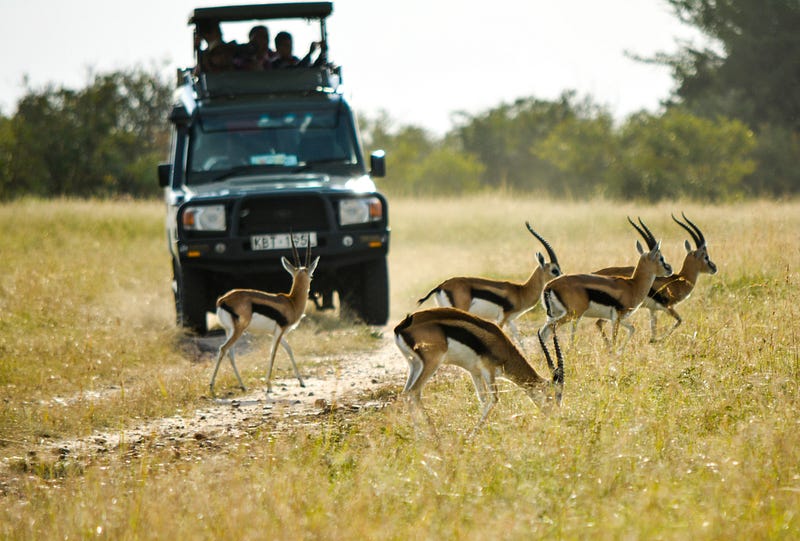
Photo by Sneha Cecil on Unsplash

By Marc Hockings

IT’S one year since COVID-19 was declared a global pandemic. While the human and economic toll have been enormous, new findings show the fallout from the virus also seriously damaged nature.

Conservation is often funded by tourism dollars — particularly in developing nations. In many cases, the dramatic tourism downturn brought on by the pandemic meant funds for conservation were cut. Anti-poaching operations and endangered species programs were among those affected.

This dwindling of conservation efforts during COVID is sadly ironic. The destruction of nature is directly linked to zoonotic diseases, and avoiding habitat loss is a cost-effective way to prevent pandemics.

The research papers reveal the inextricable links between the health of humans and the health of the planet. Together, they make one thing abundantly clear: we must learn the hard lessons of COVID-19 to ensure the calamity is not repeated.

A Disaster for Conservation

THE findings are contained in a special issue of PARKS, the peer-reviewed journal of the International Union for the Conservation of Nature, co-edited with Brent Mitchell and Adrian Phillips.
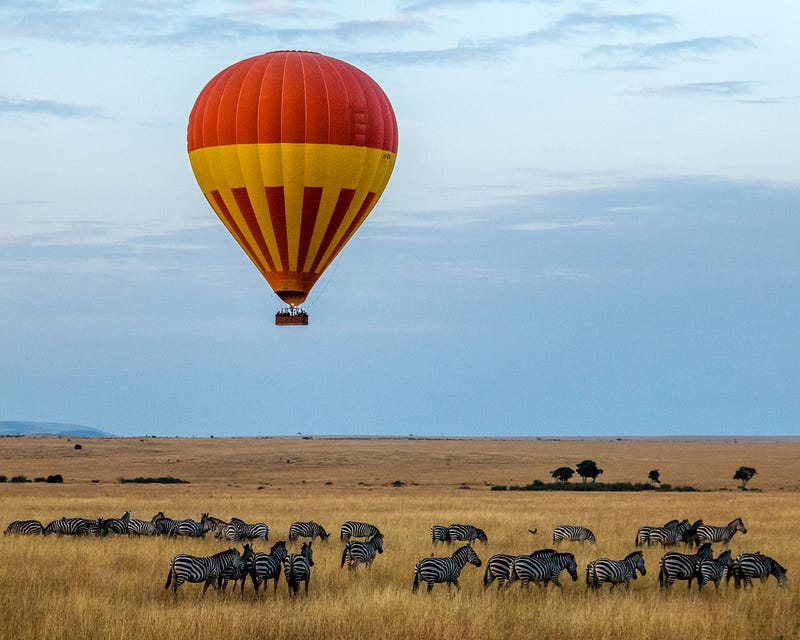
Photo by sutirta budiman on Unsplash

Researchers found between January and May 2020, 45% of global tourism destinations totally or partially closed their borders to tourists. This caused the loss of 174 million direct tourism jobs around the world, and cost the sector US$4.7 trillion.

Over-dependence on tourism to fund conservation is fraught with peril. For example in Namibia, initial estimates suggested communal wildlife conservancies could lose US$10 million in direct tourism revenues. This threatened funding for 700 game guards and 300 conservancy management employees.

It also threatened the viability of 61 joint venture tourism lodges employing 1,400 community members. This forced families to rely more heavily on natural resource extraction to survive.

Emergency funds were raised to cover critical shortfalls. However in April 2020, rhinos were poached in a communal conservancy in Namibia — the first such event in two years. Researchers believe this may have been linked to the pandemic fallout.

See also:

More than 70% of African countries reported reduced monitoring of the illegal wildlife trade as a result of the pandemic. More than half reported impacts on the protection of endangered species, conservation education and outreach, regular field patrols and anti-poaching operations.

Rangers have also been hard hit. A global survey of nearly 1,000 rangers found more than one in four had their salaries reduced or delayed due to COVID-related budget cuts. A third of all rangers in Central and South America, Africa and Caribbean countries reported being laid off. Some 90% said vital work with local communities had reduced or ceased.

In more bad news, governments of at least 22 countries used the pandemic as a reason to weaken environmental protections for protected and conserved areas, or cut their budgets.

Many of the changes allowed large-scale infrastructure (such as roads, airports, pipelines, hydropower plants and housing) and extractive activities (such as coal, oil and gas development and industrial fishing). Brazil, India and, until recently, the United States have emerged as hotspots of COVID-era rollbacks.

Humans and Animals Pushed Closer

SARS-COV-2 is very similar to other viruses in bats, and may have been passed to humans via another animal species. The pandemic shows the potentially devastating outcomes when animals and humans are forced into closer contact in shrinking habitats — for example, as a result of forest destruction.
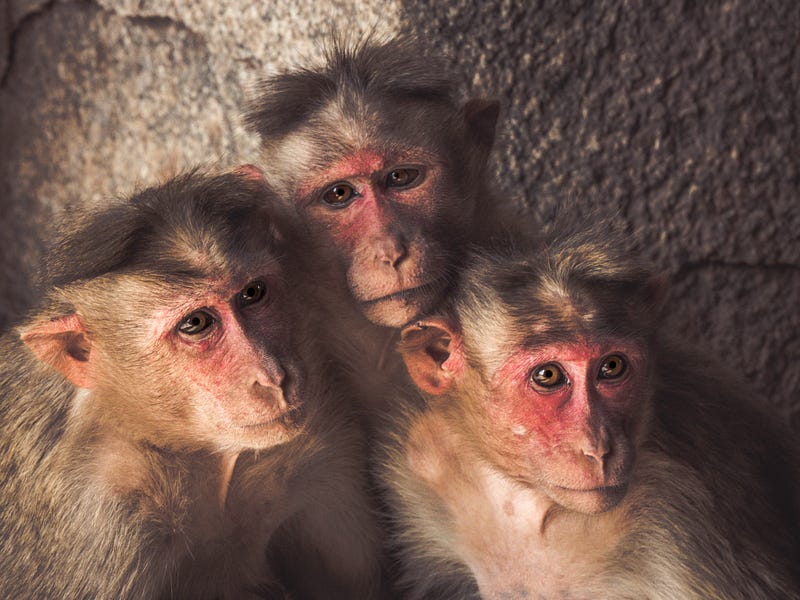
Photo by Inès d'Anselme on Unsplash

As one paper found, during the last century an average of two new viruses spilled from animals to humans each year. These include Ebola and SARS.

Clearly, investment is needed to preserve the world’s protected and conserved areas, ensuring they act as a buffer against new pandemics. One study puts the required spending at US$67 billion each year — and notes only about one-third of this is currently being spent.

While it’s undoubtedly a large sum, the International Monetary Fund estimated late last year the pandemic would cause US$28 trillion in lost economic output in 2020.

Like many zoonotic epidemics, it appears COVID-19 was caused by the trade in wildlife and wild meat consumption. But diseases caused by uncontrolled land-use change — often for agriculture and livestock production — are just as dangerous.

The greatest risk, according to one group of researchers, is in forested tropical regions where land use is changing and a rich variety of mammal species are present.

2021: A Crucial Year

AS the special issue’s co-editors argue, if COVID-19 is not enough to make humanity wake up to the “suicidal consequences” of misguided development, then how will future calamities be avoided?
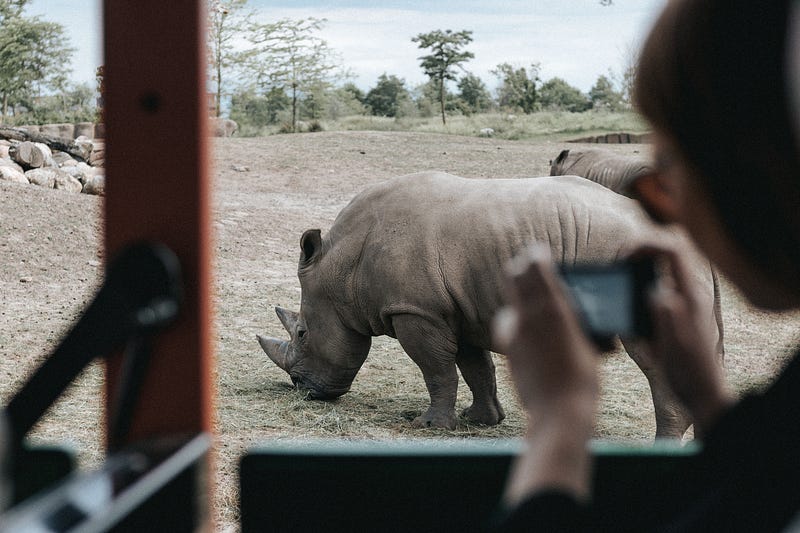
Photo by Danny Wage on Unsplash

The cost of effectively maintaining protected and conserved natural areas is a small fraction of the cost of dealing with the pandemic and getting economies moving again. Imagine, for a moment, if the effort put into the development of vaccines were applied in the same measure to addressing the root causes of zoonotic pandemics.

In 2021, a series of international meetings will be held to decide how to stabilise our climate, save biodiversity, secure human health and revive the global economy. Through these events should run a golden thread: learn the lessons of COVID-19 by protecting nature and restoring damaged ecosystems.

About the Author

Marc Hockings, Emeritus Professor of Environmental Management, The University of Queensland

Disclosure statement

Marc Hockings has received funding from the Australian Research Council, several Australian Governments and international conservation organisations. He is affiliated with IUCN, The International Union for Conservation of Nature and is Managing Editor of PARKS: The International Journal of Protected Areas and Conservation

Originally published at https://theconversation.com on March 11, 2021.

See Research Articles on “Wildlife” and “Nature” published in ‘Tourism Geographies’.

Follow Tourism Geographic to see our latest articles

Tourism Geographic is sponsored by Tourism Geographies:

Covid-19
Sustainability
Wildlife
Conversations
Travel
Recommended from ReadMedium