
COVID-19! Unlearning Is Hard, Yet Necessary
“Every new beginning starts from another beginning’s end!”
Because of Covid-19, everything changed, and this has also brought about newness
Ironically, I welcomed to write a small contribution under “unlearning” during a global pandemic, a point in history whereby we all are undergoing drastic changes. Out of respect for readers, I support my writing through academic resources. Considering the time we are in, I think it is wise to track the beginning of global novelty, which changed life as we know it.
Shawna Williams wrote an article called A Brief History of Human Coronaviruses on June 02, 2020, as an online publication for The Scientist, Exploring Life Inspiring Innovation. In it, the author pointed out some well-known facts, such as
- “January 09, 2020: Chinese state media reported that a group of researchers led by Xu Jianguo identified the pathogen after a mysterious pneumonia outbreak in Wuhan” said Williams. The rest of the world was going about life as we knew it. However, the residents of Wuhan already started the life we are all in. Since I live far away from China, I did not seriously consider the development of Wuhan. I did not see that it could be my transformation.
- China did not swiftly react to the disease. To show “authorities were slow to respond to first reports of a mystery illness circulating at a wet market in Wuhan in late 2019, allowing millions of the city’s residents to move around the country in the days leading up to Chinese New Year, a traditional high-travel period, in January 2020,”
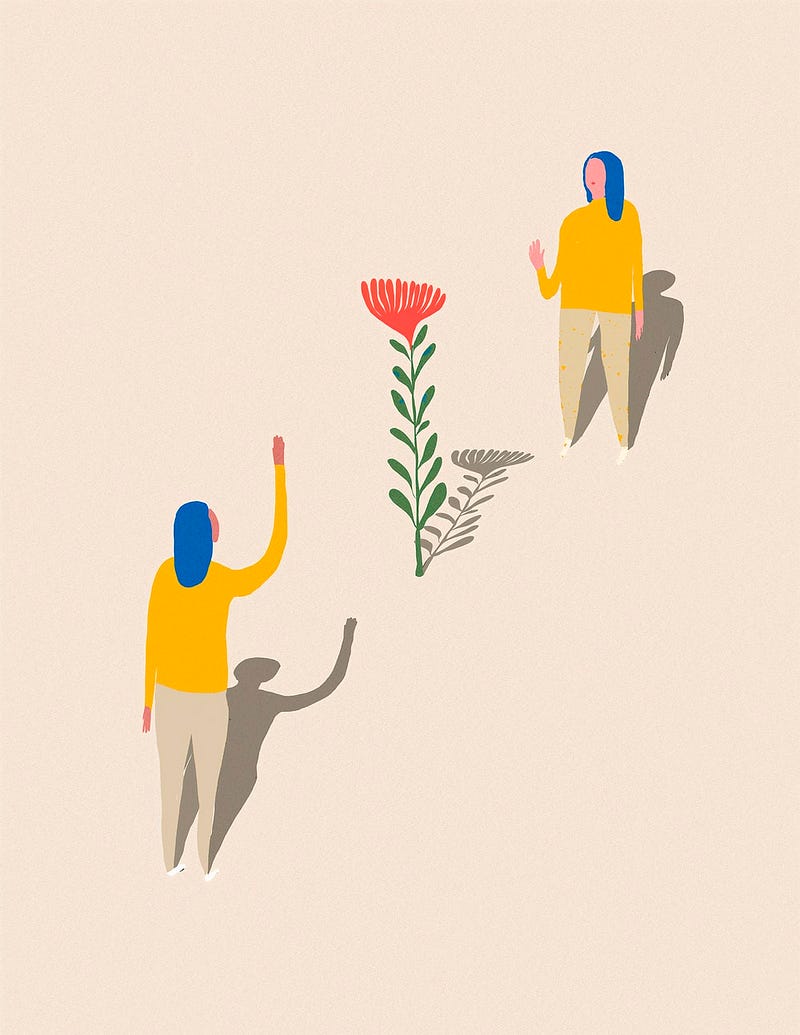
Both you and I now appreciate that the new norms do not conform to socialization because doing so will spread the virus.
3. No wonder “the interim report by an independent panel appointed by the World Health Organization (WHO) criticized China’s initial response, saying that “public health measures could have been applied more forcefully,” (Ibid). As the first place to go through the global illness, China’s reactions were understandable. Research had not revealed adequate scientific knowledge about this virus.
4. Although, “by January 23, two days before the Chinese New Year celebrations, Wuhan was silent. As about 11 million people were strictly quarantine, wearing masks, and stay away from society,” (Ibid). Probably, based on ongoing research and decisions of international health experts, China led the way for the world into the isolated life we all know.
Let us focus on Corona and understand the global changes that are now reshaping our existence.
- The World Health Organization (WHO) said that “coronavirus disease (COVID-19) is an infectious ailment. It is caused by a newly discovered coronavirus.”
2. “Most people with the COVID-19 virus will suffer from mild to moderate respiratory illness and can recover without special treatment. Older people and those with underlying medical problems like cardiovascular disease, diabetes, chronic respiratory disease, and cancer are more likely to develop serious illnesses,” (Ibid). Sadly, as long as one person is unhealthy, the age group of death associated with COVID-19 includes everyone. This news is sad because most of us are used to fast food diets, rarely exercise, hydrate incorrectly, and spend less time outdoors. Obesity and this infection are like a house on fire.
3. In terms of prevention, “the World Health Organization stated that we can wash our hands or frequently use alcohol-based scrubs without touching the face to protect ourselves and others from infection,” (Ibid). Given that hand washing is at the core of global health education, you might think it is easy to follow the safety protocols mentioned above. However, the numbers tell us other things. Kindly see for yourselves here.
Now that we are more aware of the health danger we live in, what old habits have we let go of in exchange for which ones?
- The first thing I want to say is that the global unwitting response to Covid-19 has divided humans into islands. From the perspective of a country or an individual, my observation is obvious. Yet, the “developed” world spoke of global citizenry, a myth that has been dispelled all the more now. In short, your place of birth (citizenship) is your home, and experiencing a place beyond it is at the mercy of external forces. Travel bans related to COVID-19 highlighted this.
I use the following data to illustrate my point: “CDC recommends that higher education institutions (IHE) consider postponing or canceling the upcoming student foreign exchange program. Also, the CDC recommended IHE consider allowing current program participants to return to their home countries,”
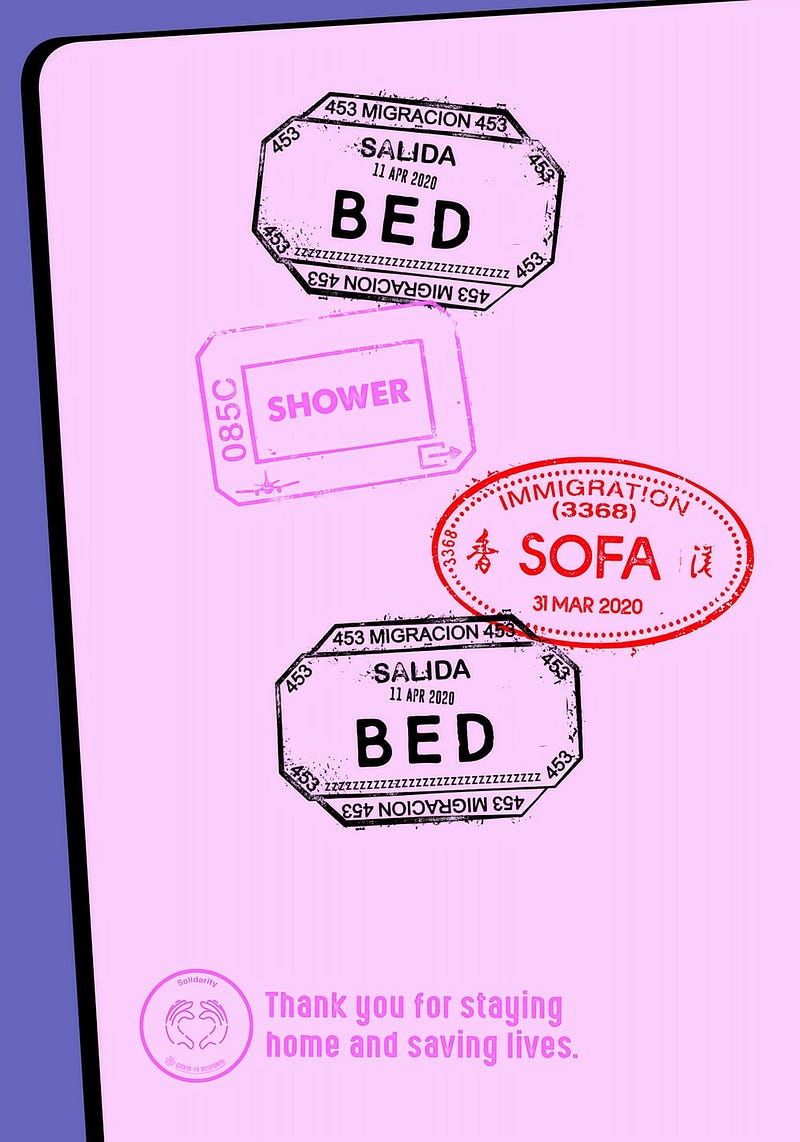
2. Because of COVID-19, I had to cancel my trip to South Africa in June last year. Unfortunately, my desired destination country’s Covid-19 cases are spiking, making it challenging to see family. For now, we are in a difficult situation. We don’t know when we can be reunited. Worse, we lose family and friends because of this virus almost every day. To illustrate the problem, I rely on a newspaper report published by “Brain Browdie on March 21, 2021, that South Africa is preparing for the third wave of Covid-19, which is expected to start in the winter of June this year,” https://qz.com/africa/1986970/south-africa-fights-to-prevent-deadly-third-wave-of-covid-19/.
3. As an African, I further realized the significance of investing in a country’s social infrastructures, particularly the health system all the more during Covid-19 travel bans. On the one part, we have discussed and evidenced higher and aggregated South African Covid-19 cases that naturally strain the country’s health sectors, economy, and wellbeing. Meanwhile, out of habit, the region’s head of states and elites would travel to South Africa for health services. For example, “Eswatini, as the monarchy’s late Prime Minister Ambrose Dlamini, succumbed to Covid-19 while undergoing treatment at a South African hospital,” https://www.bbc.com/news/world-africa-55297472
4. On another note, Aljazeera published a headline alleging “that The king of eSwatini, formerly known as Swaziland, has said he recovered from COVID-19 and thanked Taiwan’s president for sending antiviral medication to help him,” https://www.aljazeera.com/news/2021/2/20/eswatini-king-recovers-from-covid-takes-drugs-sent-by-taiwan. Meanwhile, this cited source recorded that “the kingdom of Eswatini has recorded almost 17,000 corona virus infections and 644 related deaths.”
5. Otherwise, “ for years, leaders from Benin to Zimbabwe have received medical care abroad, while their own poorly funded health systems limp from crisis to crisis. Several presidents, including those from Nigeria, Malawi, and Zambia, have died overseas” https://www.usnews.com/news/world/articles/2020-04-04/african-elite-who-once-sought-treatment-abroad-are-grounded.
Covid-19 may be perceived as the change or the sounding board everyone needed, given the state of affairs we lived in prior. Admitting guilt: it is difficult for me to write down these facts as an African diaspora, but doing so may reshape reality for our people through unknown means.
School attendance has become another norm related to the times, for example middle school and high school students rarely attend classes. What’s more, some students study virtual. While many students drop out of schools, and due to many factors, they will never be able to return to any education system. Lets discuss at length, please.
- Information sourced from UNESCO https://en.unesco.org/news/adolescent-pregnancy-threatens-block-million-girls-across-sub-saharan-africa-returning-school carried information as follows: “In the first three months of lockdown in Ghana, Efua*’s community in Krachi West experienced an almost nine-fold rise in adolescent pregnancies. She and 50 other girls have been reported pregnant between March and May 2020 — in comparison to six cases of adolescent pregnancy recorded in all of 2018.”
- As a young mother, I doubt that one has the mental, physical, financial, and maturity to comprehend the seriousness that attaches to parenthood. Secondly, unemployment is spreading globally, education is restricted, and medical services are extremely tight. Lastly, this courteous picture by UNESCO points out that the world’s illiteracy rate is rising. Thus, there are potential drawbacks in development, especially in former colonies that lack innovation. As an African, these are not good tidings at all!
- In a South African context, https://www.unodc.org/dohadeclaration/en/news/2020/11/the-challenges-of-protecting-youth-from-crime-and-violence-in-a-pandemic.html shed some light on what children and general learners face in the reality we have found our selves in. Unfortunately, this is not a good picture either.
3.a To highlight this matter, “over one billion children and youth, or 60 percent of all enrolled learners, are affected by school closures. Poverty and unemployment rates due to COVID-19 have increased dramatically, too,” (Ibid). Forty percent of potential school-age children who have not yet gone to school hurt me. Although, I have learned with shock that nowadays “maids” were high school educated children from impoverished backgrounds and could not progress to tertiary as a result in most Southern African nations.
3.b Importantly, “children and youth currently in some form of confinement are at a higher risk of exploitation, violence, and abuse, including domestic violence, cyberbullying, and recruitment by terrorists and other criminal networks. This risk is exacerbated by inequality, the family, poor mental health and well-being, and loss of social and community networks” (Ibid). Public recreation facilities closed their doors in March last year. I may not know where you are. However, these locations were usually accustomed to sports activities so that children can get rid of the idleness and mental stress caused by some of the above-mentioned societal stressors.
Conclusion
This article used multiple angles in examining COVID-19 as an instrument for mass social changes. Although the origins were said to have been in Wuhan, our attention went to Africa. Our focus on the continent was on how varying societies bring meaning to this epidemic while conducting life in the Covid-19 restrictions.
Apart from briefly discussing African leaders, travel bans, and health care inequalities in the continent, the bulk of the paper focuses on school-going children’s realities. Take care. Having said everything, I pray we will be gentle with our children, listen to their emotions, and do our best to provide safety and well-being. Otherwise, I shudder and imagine them as leaders! Take care. Life for all of us is difficult. However, I may never grasp today’s growth realities. Without our previous luck, contemporary kids have no friends associations since they are under lock and key.