
Covid-19 Reintroduced Me to Nature and Reminded Me of Her Plight
Lockdown gave me a better appreciation for the diversity and vulnerability of Mother Earth
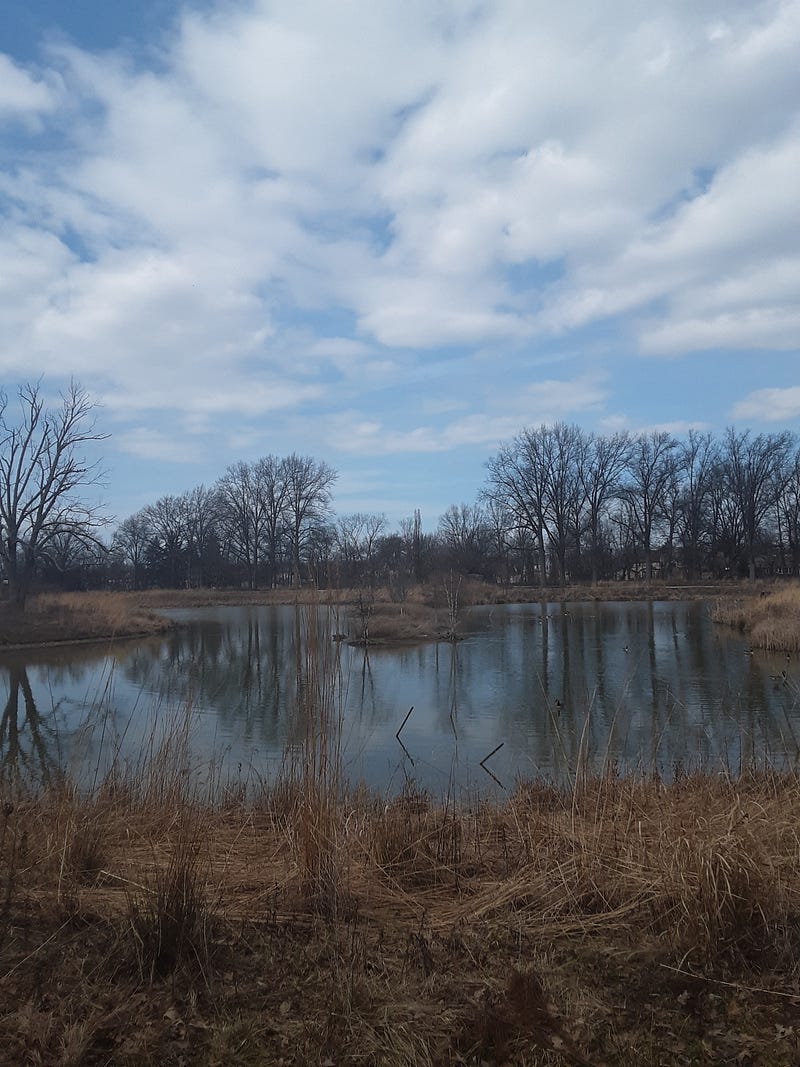
Shortly after lockdown, the projects I received from my freelancing jobs started to drop off dramatically, leaving me scrambling to pay my bills. I quickly began work as a dog walker — right before Cleveland was hit with a series of massive snowstorms alternated with days of pouring rain. The neighborhoods in which I worked would be smothered in two or three feet of snow, then a warmup of a few degrees would bring a deluge that swept the ice away. I spent my days drenched from head to toe with rain, snow, or sweat, depending on the temperature. I easily walked over 20,000 steps every day. I broke two pairs of crampons and slipped on my butt more than a few times. I was deliriously happy.
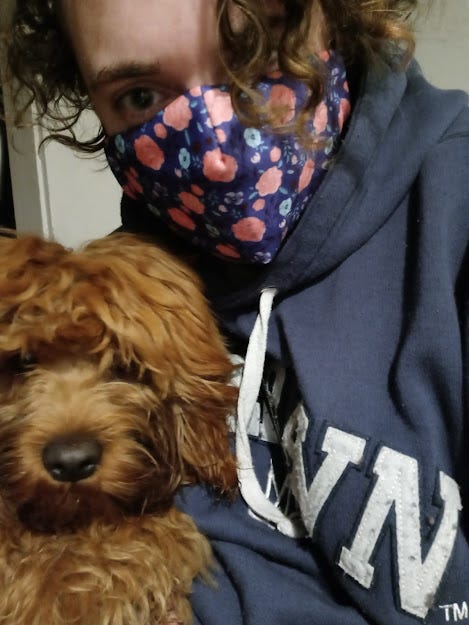
Spending so much time outside reminded me of the raw power of nature, something I often forget about in the cozy shroud of suburbia. Before this job, my everyday outdoor exposure was limited to half-hour walks with my own dogs, time carved out from my nonstop computer work.
Suddenly I was pelted with sleet on the regular, an unpleasant phenomenon I tend to avoid by holing up inside. When a foot of snow fell overnight, I got up early to shovel out the wet sheet that erased my driveway, something I’d usually leave to a private plow service. I was battling what we Midwesterners call “heart attack snow,” a thick slurry not unlike wet concrete. It was so dense I had to enlist the help of my brother just so I could inch my little Nissan Versa down the long, icy path.
On my way to clients’ houses, I would pass trees so clogged with snow that their boughs had given way. The weather had changed so suddenly that the foliage hadn’t had time to “harden up” and winterize, meaning the tender branches were too pliant to withstand the pressure.
The snow had come so suddenly that most of the side streets — the ones my clients lived on — had been left covered by the municipality, whose fleet was still busy digging out main roads. My compact and its puny front-wheel-drive skidded and stalled at nearly every intersection; thankfully, my fellow drivers were almost always there to help push me out of harm’s way. I eventually started carrying a shovel, ice melt, and kitty litter in my car to ensure I wouldn’t get stuck and leave my doggy friends anxiously awaiting their time outside.
In my area, people tend not to shovel their sidewalks: the law foolishly doesn’t protect homeowners from liability if someone slips on a cleared walk. More often than not, I was trudging through three feet of snow, forced to climb over the mountains left by plows at almost every corner. While this was great cardio, it wasn’t always great fun. I learned the inestimable value of Yak Trax, boot protectant, and leg gaiters.
It seems like I’m complaining, but this was actually the best job I’ve ever had. As my boss said, every day was a snow day! I was no longer chained to my desk; instead, my office was the endless blue sky, my coworkers' four-legged friends, and my background chatter the sweet songs of birds and children’s laughter. My chronic sinusitis, exacerbated by indoor allergens, cleared up remarkably. My complexion became rosy from the fresh, stinging air and the increased exercise. My waistline slimmed considerably, and I felt more energetic than I have in years.
I don’t think I’ve ever laughed as much on a daily basis as I did romping with Irish Wolfhounds and Labrador Retrievers in the fresh powder. Every day, I’d come home bursting with adorable anecdotes to cheer up my family. I also had wonderful conversations with interesting, intelligent people about all sorts of topics. The best part is that I felt so loved and adored by so many creatures, on two legs and four: I felt valued and like I was really making a difference in the lives of others. Even if it seems like such a small thing, I offered peace of mind to my clients, as they knew that I cherished their pets just as I do my own.
During my second week on the job, I had so much fun with an enthusiastic chocolate lab that my phone slipped out of my pocket, lost in the piles of fresh snow. Where before this would aggravate me and ruin my day, I reminded myself that my phone was incredibly cheap and easily replaced. I honestly found it rather hilarious and spent the day laughing at myself for being so silly. Besides, my partner in crime had so enjoyed our exuberant exercise that I couldn’t possibly stay mad.
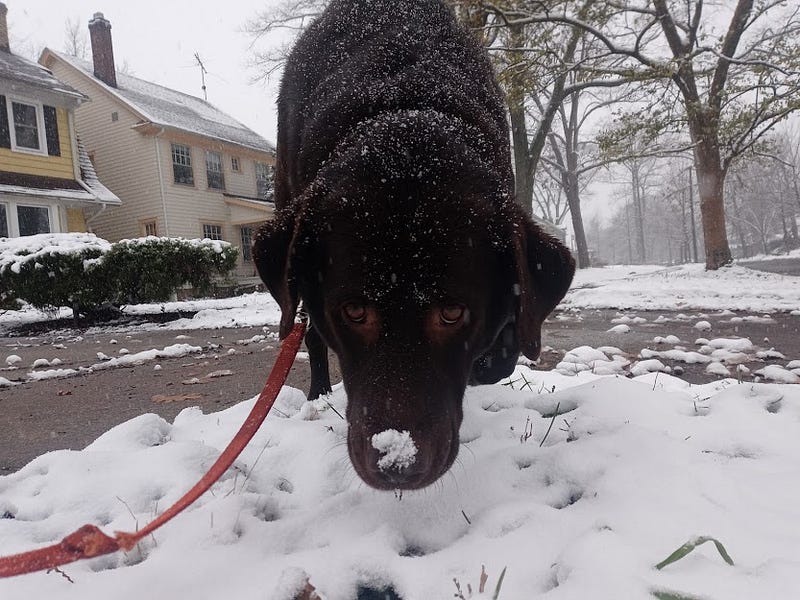
Sadly, this job didn’t work out for the long term. Due to the Covid pandemic, the company ran into financial difficulties and I was forced to quit. However, I found myself craving more time outside than ever before. Even though the weather was still terrible, I walked my dogs for longer and longer periods. Winter soon receded into spring, and I would still find any excuse to get out of the house. As summer rolled in with its muggy heat, I didn’t burrow into my air conditioning; instead, I cleared the overgrown shrubbery behind my house and became a religious possum-spotter.
It wasn’t cabin fever; it was a thirst for greenery, fresh air, and birdsong.
With my faithful canine companions, I devoured the trails of our local parks, becoming intimately familiar with every curve and dip in the landscape. I’d splash in the shallow waters at Euclid Creek Reservation and marvel at the breathtaking scenery of Cuyahoga National Park.
Now, nothing makes me happier than watching the seasons change day by day. I’m still blown away by the fireworks display of lightning bugs blinking in the tall grasses at my local park. I find myself speechless by the elegant deer that regularly graze in my yard. When my resident groundhog debuted a baby, I celebrated like a proud godmother and couldn’t wait to tell everyone I know.
Thankfully, I’m not alone in this feeling. Not so thankfully, I’m relatively alone in my fervent respect for these gorgeous creatures and their homes.
Many of us wanted to social distance in nature— but many of us didn’t want to respect these places
The National Parks System hosted 237 million visitors in 2020; though the numbers were lower than prior years, the press of tourists was nearly overwhelming. The influx was so drastic that some parks were forced to close in order to protect wildlife and natural landmarks.
Unfortunately, the increased fervor for fresh air wasn’t always accompanied by a boost in consideration for nature’s fragility. Forest rangers reported rampant littering, unauthorized camping, and even vandalism, spurred on by the enormous number of newbie hikers and campers. Folks in my hiking groups complained bitterly of people tossing trash out of car windows, bringing their four-legged friends on dog-free trails, and ruining the tranquility of the forest by playing music through speakers.
Though I stayed close to home throughout most of the quarantine, knowing that the virus can easily be spread at rest stops and convenience stores, I sadly didn’t miss out on the blatant disregard for Mother Nature. The more that I visited my local parks, the more I noticed how unkindly people were treating these sweet oases of calm: tossing candy bar wrappers and empty soda bottles in the woods, chasing the birds, bringing their dogs to nature preserves that have about a thousand signs begging you to leave Fido at home.
The worst affront I witnessed was a group of neighborhood kids using a huge mushroom cluster for soccer practice. I’m deeply thankful I got a picture of it the day before it ended up scattered across the tree lawn; I’ve never seen such amazing fungi and, sadly, probably never will again.
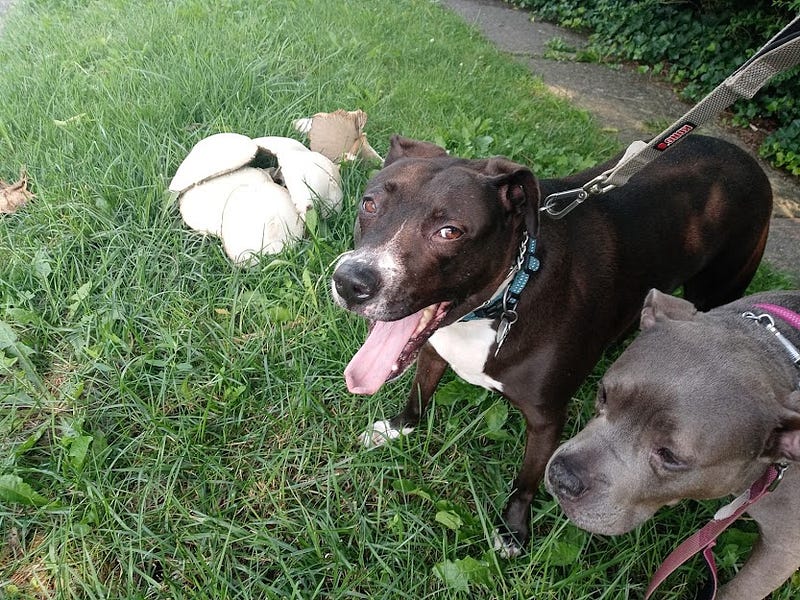
This little insult — destroying something beautiful for a momentary joy — is just emblematic of how we as a species have been treating our planet for generations now.
Recently, the Intergovernmental Panel on Climate Change published its sixth report on climate change, its most damning study yet. The authors make it clear that we are running dangerously low on time to save ourselves from the worst effects of climate change. If we fail to keep global warming under the 1.5*C threshold demanded by the Paris Agreement, we will see even worse effects than those we’re already experiencing: enormous wildfires, record-breaking heatwaves, monstrous storms, and rising sea levels. And those oceans, as interconnected systems, all impact one another — and us.
All water leads to the sea
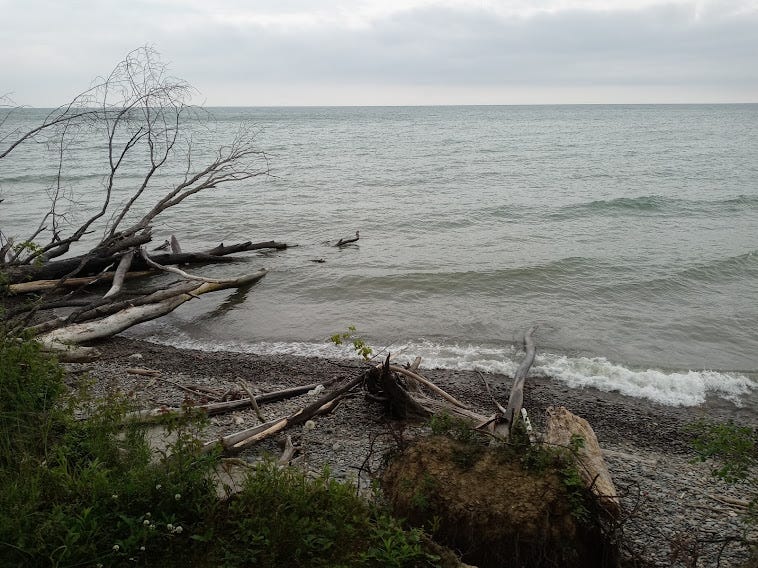
It’s no coincidence that the IPCC’s warning comes during one of the largest pandemics in our lifetimes: the two are deeply intertwined. Anthropogenic climate change, along with overpopulation, has put humans in closer contact than ever with the wild animals that help to generate pandemics. As animal habitats shrink from deforestation, wildfires, and urban sprawl, interspecies interactions allow viruses to mutate so that they can infect new host species. The same mechanism was responsible for HIV’s leap from primates to humans, as well as the development of other deadly diseases like the ebolavirus and swine flu. Scientists warn that this phenomenon will only get worse as cities expand and animal habitats dwindle.
COVID-19, then, is simply another side effect of everything else we’ve done to harm our planet. It wasn’t the warning shot in the war we’ve started against nature, but it’s been the largest volley yet — the one that finally struck its target here in the Western world. And, sadly, it is harming those who are the least responsible for global warming, just like other fallout from our follies.
As an aside: some people argue that COVID-19 may have been created in a lab as a bioterrorism weapon, but if that theory is true, we should be even more worried, because that means we might be due for an actual zoonotic disease. We could possibly be fighting both a man-made and a naturally originating pandemic at once. This theory also doesn’t negate the fact that the danger of zoonoses from human-animal conflicts is a well-established phenomenon, so much so that the CDC has an entire division dedicated to identifying and ameliorating potential emergences of disease.
Again, Covid-19 is due in part to human processes, which are also responsible for global climate change. The pandemic we’re fighting — and the extreme weather we’ve been experiencing — is part and parcel of what we as a species have done to the environment.
Well, what part of our species has done to the environment. And that part has been refusing to own up to their mistakes for decades, leaving the rest of us to try and sort it out. It’s not fair, and we as individuals have little responsibility or power. However, the survival of our species and our planet depends on us shouldering some of the burdens, regardless of where the blame lies.
We can’t do all of it, but we can all do our part
For years, corporations have dodged responsibility for their own failures by placing the onus on individuals. As they pumped millions of pounds of CO2 in the earth’s atmosphere and untold gallons of oil into the world’s oceans, corporations have scolded the average consumer for leaving too many lights on or keeping the thermostat too high.
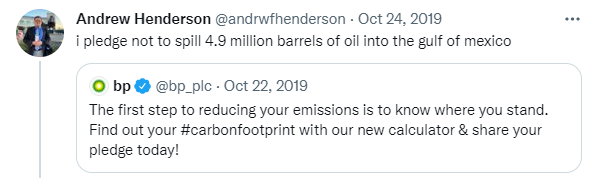
BP, a company whose poorly maintained oil rigs have been responsible for at least 13 major oil spills, created a carbon footprint calculator to help individuals feel guilty for driving to work or taking a cross-country flight once a year. Twitter users took the multinational to task for this clear blame-shifting, but it’s merely one example of companies weaponizing their marketing departments against the public.
Elliott Hyman notes that 100 fossil fuel companies are responsible for almost 70% of the world’s greenhouse gas emissions, writing that
This contradicts the narrative pushed by fossil fuel interests that individuals’ actions alone can combat climate change, as individual actions have minute effects relative to these emissions — average American households produce only 8.1 metric tons of carbon dioxide out of a total of over 33 billion tons globally.
Rachel Ramirez and Alexis Benveniste give a great summary of what’s going on, writing that “as the focus turns to the world’s main greenhouse gas emitters — industrial sectors like agriculture or oil and gas — climate activists are pushing against the idea of individual actions like recycling or eating less meat.”
However, that doesn’t mean that we as individuals can’t make a difference. As Buddha claimed, “Drop by drop is the water pot filled. Likewise, the wise man, gathering it little by little, fills himself with good.” We can collectively be wise by doing our tiny part to improve the situation, even if it seems meaningless. Over a long period of time, and multiplied by billions, these small actions add up to something powerful — especially if we combine them with passionate agitation through grassroots organizations.
Our everyday behaviors don’t need to be remarkable to be meaningful. They can be as small as reusing glass jars for food storage instead of plastic bags, opting to walk to the grocery store instead of drive, using services like Imperfect Foods or Misfits Market for our products, or lowering the thermostat by a few degrees. Not only do most of these actions cost nothing, but they can save us money in the long run.
Personally, I’ve been given a great sense of satisfaction by doing more for myself rather than relying on ready-made solutions. Problem-solving and finding ways to stretch my dollars helps me feel more in control of my life, such an essential feeling in a time when so little seems to be predictable or safe. It also helps me feel closer to my forefathers and mothers, as I know they did much the same to help lower their budget in times of need. I feel more authentic, more grounded in reality when I take the time to be mindful of my usage. I’ve come to really enjoy creating towels and washcloths out of old clothes, creating storage solutions out of empty containers, and even growing my own fresh herbs and greens.
It might seem strange that I get so much joy from these little lifestyle tweaks, which are occasionally laborious and time-consuming, but I promise that it’s true. I think part of the satisfaction comes from knowing that I’m doing something that honors and supports the huge, living being that has offered me calm and respite in a chaotic era — the beautiful, bounteous world that carries us through the stars.
If you give it a try, you might find you get the same pleasure out of reducing your wastage and reusing what you have. There is nothing more powerful than helping to respect our precious earth, the mother who gives us so much and asks for so little in return.
Not a Medium member yet? Why not?
Only $5 a month gets you unlimited access to millions of articles on any topic imaginable, from poetry to politics.
Click here to directly support my writing when you sign up!
Please consider sharing my link with your friends and family who also appreciate introspective, innovative writing. Thank you so much for your support — it means the world to me.


