
Could Your Gut Influence Your Personality?
Researchers link gut microbiome to behavioural traits
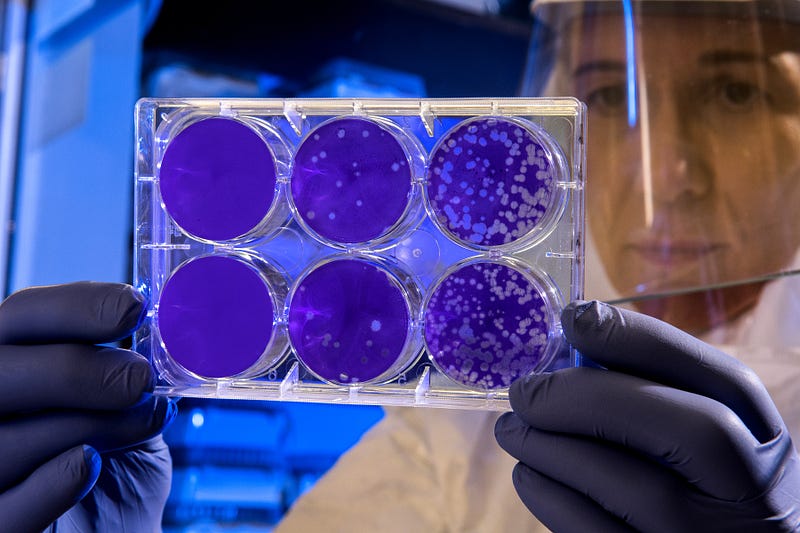
Did you know that your body is comprised of nearly as many microbial cells as human cells?
And did you know that the vast majority of those microbial cells are living in your gut?
The collection of microorganisms living in your body is called the microbiome. It consists of trillions of bacteria, fungi, viruses, and parasites. It varies from person to person and can change over time, for example, during disease or childhood development.
The gut microbiome has been researched extensively, and scientists discovered fascinating links between this “environment within” and our digestion, metabolism, and the immune system.
New research now shows how the composition of your gut microbiome may also be related to your personality. The results were published in the March issue of the “Human Microbiome Journal”
Microbiome composition was linked with behaviour
Dr. Katerina Johnson, a researcher at Oxford University in the UK, has conducted a study examining the relationship between the human gut microbiome and behavioural traits.
Dr. Johnson recruited adults older than 18 years and included fecal samples from 655 people in the study. The majority of participants were male, accounting for 77% of the study participants. 29% were female.
The participants received an online questionnaire designed for this study and answered questions relating to diet, health, lifestyle, and behaviour.
Dr. Johnson assessed the personality traits using the five-factor model of personality. This model postulates that individual differences in human behaviour can roughly be divided into five key domains. Those are extraversion, agreeableness, conscientiousness, neuroticism, and openness. She also assessed the participant’s overall tendency to feel anxious.
Microbiome diversity and composition related to personality
The results show that the diversity of the gut microbiome differed markedly between the study participants and that women had significantly lower gut microbiome diversity than men.
Both the composition and the variety of the microorganisms inhabiting the gut were related to differences in personality.
That means the diversity of your gut flora is related to your character, and also that the presence of certain species of microorganisms can be linked with certain personality traits.
Diet influences gut microbiome
Not surprisingly, your diet has a considerable influence on your microbiome diversity.
People with a more varied diet showed a more diverse composition of their gut microorganisms and lower levels of stress and anxiety.
The same was found for people who were eating probiotic foods, such as sauerkraut or yogurt.
Supplementation with probiotics or prebiotics, however, was not positively correlated with lower levels of stress or anxiety.
However, be cautious about making wrong assumptions and think that supplements are useless. According to the author, it could simply mean that people who have compromised gut health tend to supplement with probiotics and prebiotics.
The consumption of fruit and cereals was positively correlated to microbiome diversity and supports earlier findings that carbohydrate consumption is beneficial for gut health.
Anxiety and stress linked with lower microbiome diversity
Both stress and anxiety were negatively correlated with the diversity of the gut microbiome. People who struggle with getting a good night’s rest also tend to have lower gut microbiome diversity.
In contrast, people with a more extensive social network tended to have a more diverse microbiome. Employment also seems to be correlated with healthier gut flora.
Relationship between gut flora and behaviour is bidirectional
While the study shows fascinating correlations between the human microbiome and personality traits, it does not answer the question of whether the gut flora drives behaviour or vice versa.
Likely it is a two-way street.
Not only can your microbial composition shape your behaviour, but also your behaviour influences the structure of your gut microbiome.
Animal studies confirm the interaction between social behaviour and gut flora. Research in chimpanzees, for example, shows how social contact benefits the diversity of the individuals’ gut microbiome.
Hopefully, more research will be done that helps us understand how the microbiome interacts with the brain in the general population. Until recently, most research has been done on animals, and the few studies on humans focused on people with psychiatric conditions.


