
Cooking/Environmental
This New Superfood Will Have You Rethinking Your Food Waste
Stop throwing this away now!

Erin King is the author of the book “How To Be Wise AF: 30-Day Guided Journal For Women” and other wellness, gratitude, and wellbeing resources.
The next time you make a batch of cookies, you might want to throw a bit of garbage in them.
It’ll make them healthier and more satisfying.
But of course, I’m not talking about just any piece of junk lying around your house.
This is special trash.
It’s something you’ve thrown out a million times that you’ve probably never dreamed of eating.
But all that might change because this guy’s been getting pretty good PR lately.
In fact, lately, this food scrap has been showing up in a lot of curious places.
I first found it when looking through the Ikea “Scraps Book,” a cookbook for using cooking scraps.
It’s got some interesting ideas.
Some recipes are common sense, like Omelets and Smoothies using wilted herbs and leftover meat and vegetables. Others are a bit more off the beaten path (for most of us), such as Watermelon Rind Jam (that also uses strawberry tops) and corn husk smoked chicken, with actual fried corn silk as a garnish you can eat!
This book reminded me of how limited our view of what we think we can eat is, and as “shrinkflation” robs us of more and more of our hard-earned money, many people have become more motivated to save in any way they can.
Revisiting what we eat and don’t eat is one way of doing that.
And, finding a new superfood that helps us live better from something we typically waste is a bonus!
So what is this new superfood?
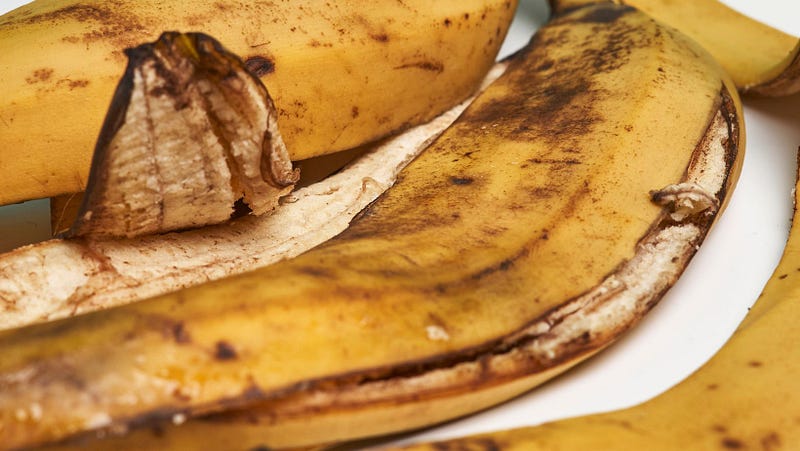
It’s the humble banana peel.
Yes! You can eat the banana peel.
Many people believe banana peels are inedible because we tend to think of them as a waste product, but banana peels won’t make you sick.
They’re actually edible and loaded with nutrients!
You can eat them raw or cooked (but no matter how you eat them, wash them well first), and just like the fruit they envelop, the riper they are, the sweeter they get.
A banana peel contains:
- Fiber
- Vitamin C
- Vitamin B-6
- Vitamine B-12
- Potassium
- Magnesium
- Pectin
- Antioxidants
It can also transform into “meaty” vegetarian substitutes per the Ikea “Scraps Book” and other internet sources. (I was surprised at how many recipes there were for banana peels once I started to look.)
One intriguing recipe is called “Banana Peel Bacon,” and although I haven’t tried it yet, I”m planning to, and I will post an update in this article when I do. (Just waiting for the bananas on my counter to ripen.)
The seasonings for the “Bacon” are soy sauce, maple syrup, chili powder, smoked paprika, and garlic powder. The sweet, salty, and spicy base sounds like a nice mix, so transferring them to a new medium isn’t a big stretch since they already sound yummy.
But even though I can see how they’d blend well with the sweetness of the peel, the thought of eating it is so foreign to me that I can’t even wrap my head around how it would taste.
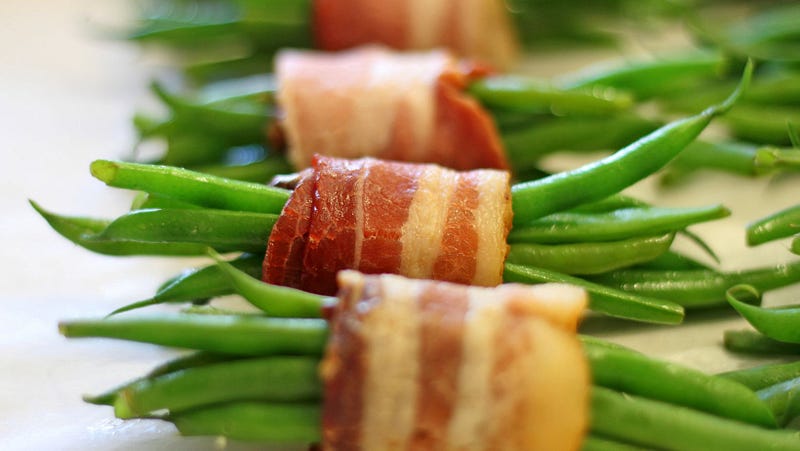
You process a banana peel by scraping off the white pulp before using it. In this way, the pulp is the only actual waste product.
The banana peel has more antioxidants than the pulp, which also contains the tannins that give you that ‘dry mouth” feeling like red wine. You may have noticed that unripe banana is bitter and makes your mouth feel dry.
The tannins are why that is.
But as a banana ripens, the unpleasantness goes away as the sugars increase and the tannins decrease.
(Green banana peel can help with diarrheal problems — but that’s not really what this article is about.)
Back to the topic at hand, cooking with banana peel…
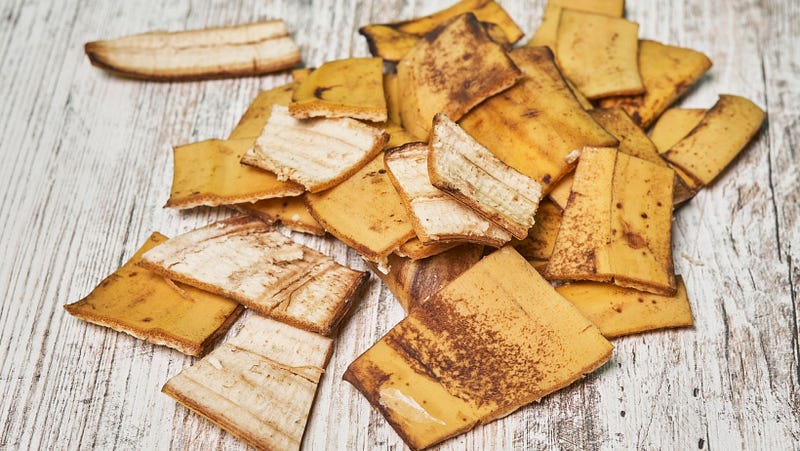
After scraping the pulp off the peel, you cut it into strips and marinate for 10 minutes to 2 hours.
Then you fry it up.
They say to use grapeseed oil, but I like to use coconut oil for high-heat frying or olive oil if the heat’s not too high. They say 2–3 minutes per side.
The recipe says that it crisps up as it cools.
The recipe also says you can keep the marinade for up to 2 weeks in the fridge, so if you don’t want to make it fresh each day, you don’t have to make a whole new batch of marinade each time.
Another recipe in the Scraps Book is Banana Peel Chutney.
Of course, the picture looks delicious, but this recipe seems a bit convoluted to me.
(Fun fact about me: I used to be a personal chef. For ten years, I cooked for a living, and that experience sucked the joy out of it. I loved cooking before I started doing it professionally, but by the time that career ran its course, I’d begun to loathe it. So anything complicated gets my back up, and this recipe is just a bit too much for me.)
But for someone who loves to cook, this might be fun.
The book has some other intriguing recipes. I have to say that when I first saw it, it was a curiosity but not much more, but the last few years have caused me to seriously rethink it and reconsider using up those “scraps’, especially if I can find a few easy recipes to recreate with different spice profiles and ingredients.
Out on the interwebs, people are also using banana peels for mock pulled pork.
I even found a recipe for banana peel curry, which looked good.
The more I delve into this, the more fascinating it sounds, so I’m planning to do more than one cooking experiment with this.
I’m definitely making the “Bacon,” and then I think I’ll try the pulled pork. I may start by using it to stretch some regular pulled pork and make it healthier.
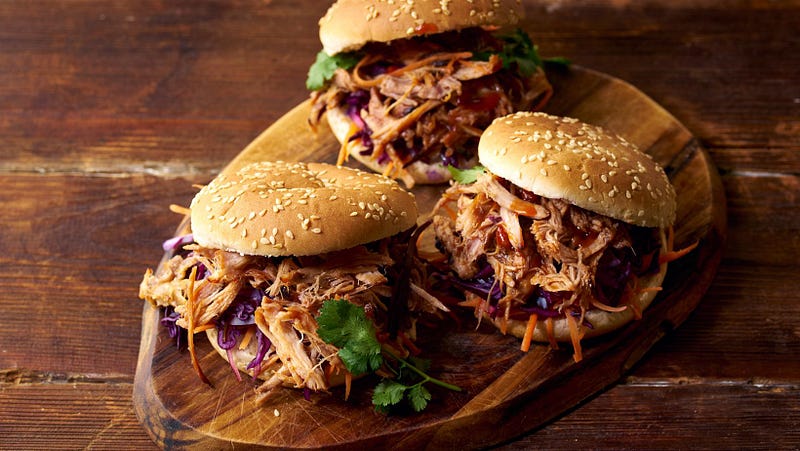
When I do, I’ll either add it to this post or write about it and link it.
Scientists have even found that banana peel flour, added to regular wheat flour, is a healthy and satisfying addition to your baking.
Substituting some banana peel flour in your baking recipes can actually make them more healthy and satisfying, according to ACS Food Science & Technology.
There isn’t a ton of research out there yet, but what little there is found that baked goods that substituted in some banana peel flour were more satisfying than those baked with wheat flour alone.
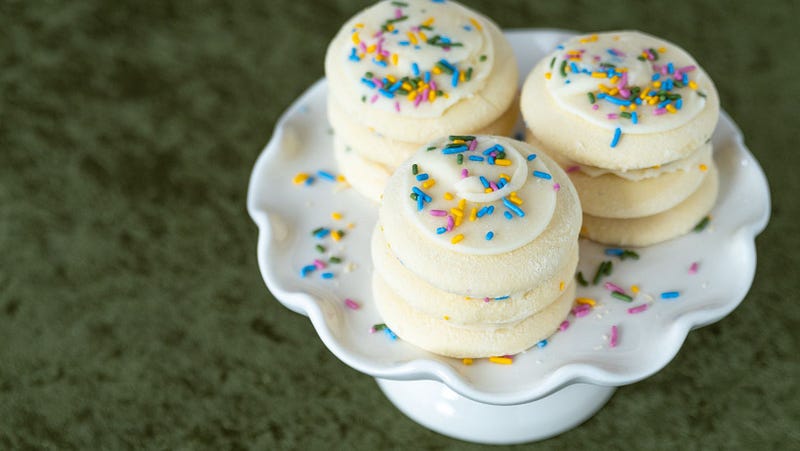
They made the banana peel flour with the peels of ripe bananas, which they blanched, dried, and then ground into a fine powder. They used the powder (“flour”) to make sugar cookies for this experiment.
The recipe was simple, and they experimented with different amounts, creating five batches of sugar cookies.
Using a simple recipe of butter, skimmed milk powder, powdered sugar, vegetable oil, and wheat flour, they experimented with the amounts of banana flour to replace wheat flour until they found just the right ratio.
They found the best amount of banana peel flour that made the nicest cookie was 7.5%.
The cookies also kept well for three months at room temperature.
Delving into the edible side of the peels isn’t the only thing researchers have been doing.
They’ve also been working on environmental solutions, like using minced banana peel for removing lead and copper from water.
They’ve found it outperforms many other materials used for water purification and can be utilized multiple times without losing its metal-binding properties.
If they could create something commercially viable, it would be a low-cost option that doesn’t have to be chemically modified to be effective.
This discovery is excellent news because existing ways of extracting heavy metals from water are expensive, and some of the substances used in the process are toxic themselves.
Researchers are also developing ways to use bananas as fuel.
Nottingham University has developed an easy-to-make burnable briquette to combat deforestation in developing countries.
The method involves mashing the skins and leaves into a pulp and mixing it with sawdust or dried banana stems. Then the pulp is compressed into small bricks and baked or left in the sun to dry.
The result is a briquette that’s suitable for cooking.
This could provide a cheap alternative to firewood that can be made by hand.
I’d also love to see something like that available for our backyard firepits and charcoal barbeques.
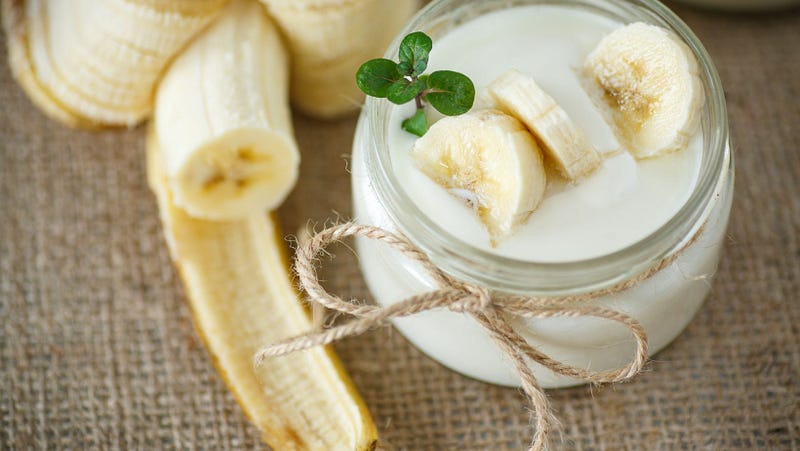
So the next time you’re getting your morning potassium boost (i.e., your daily banana fix), maybe think twice about throwing the peel away.
If you save it, you might be able to make yourself a nice chutney or faux meat meal later on.
And hopefully, one of these days, you might find some banana flour to bulk up your recipe and make your favorite cookies healthier!
The world is changing, and as it does, it might be time to rethink what we see as garbage and keep on the lookout for new ways to make the most of everything we can.
Thanks so much for reading!☺
Monitor your habits for greater happiness by downloading your FREE Mini Wellness Workout Self-Care Bundle. This package includes a set of printable habit trackers, including a Mood Tracker, Alcohol Tracker, Sleep Tracker, and Dream Journal.
❤Because the path to well-being is deeper self-knowledge.❤
Erin King is the author of the book “How To Be Wise AF: 30-Day Guided Journal For Women” and other health, wellness, and well-being resources.
Upgrade your free Medium membership to a paid one here, and for just $5/month, you’ll receive unlimited, ad-free stories from thousands of writers in a wide variety of publications. This is an affiliate link, and a portion of your membership will go directly towards supporting my endeavors. Many thanks!
If you’d like to read more by me on Medium, please check these out:
Also, don’t forget to check out more great writers on Illumination. Or better yet, share your voice, experience, and wisdom and come on board as a writer. You’re always welcome at Illumination!