
Could Humans Ever Turn Venomous?
It’s certainly not impossible...
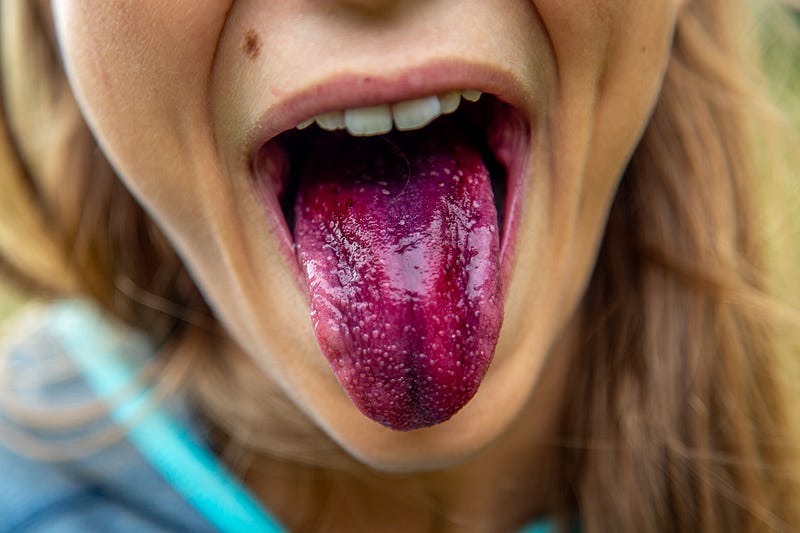
Could humans ever evolve venom? A new study reveals that humans do have the tool kit to produce it — in fact, all reptiles and mammals do. So, what are the chances of future humans joining rattlesnakes and platypuses among the ranks of venomous animals?
Let’s find out!
The study
In their study, scientists from the Okinawa Institute of Science and Technology and the Australian National University sought to answer how did venom glands evolve in animals.
Oral venom is common across the animal kingdom, present in creatures as diverse as spiders, snakes, and slow lorises, the only known venomous species of primate. Biologists knew that oral venom glands are modified salivary glands, but the new research reveals the molecular mechanisms behind it all.
The team found a constellation of genes that are common in multiple body tissues across all amniotes- the group of animals that lay eggs on land or retain them within the mother [1]. Many of these genes are involved in folding proteins, which makes sense because venomous animals must manufacture numerous toxins, which are made of proteins.
Every mammal or reptile has the genetic scaffolding upon which an oral venom system is built. And humans already produce key proteins used in many venom systems called kallikreins.
Kallikreins are proteins that digest other proteins and are secreted in saliva. They’re also a key part of many venoms. The key characteristic of these proteins is that they are very stable and continue to work even when subjected to mutation. Thus, it’s easy to get beneficial mutations of kallikreins that make venom more painful, and more deadly.
“It’s not coincidental that kallikrein is the most broadly secreted type of component in venoms across the animal kingdom because in any form, it’s a very active enzyme and it’s going to start doing some messed-up stuff,” the researchers explained.
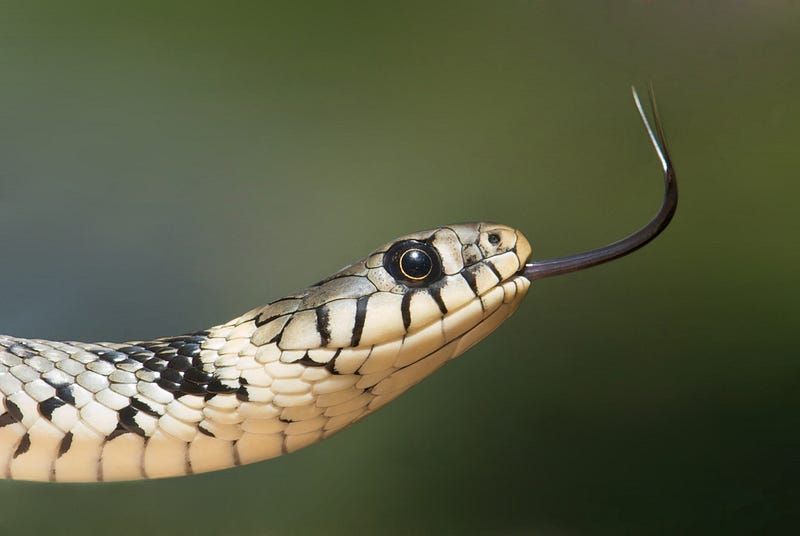
Venomous relatives
It’s true that some mammals have evolved to be venomous. Vampire bats, for instance, have toxic saliva that prevents blood clots and use their chemical weapon to feed from wounds more effectively.
Venomous shrews can outpunch their weight class by using their venom to subdue larger prey than they could otherwise kill. Shrews also sometimes use their venom to paralyze prey (typically insects and other invertebrates) for storage and later snacking.
Meanwhile, platypuses, which don’t have a venomous bite but have a venomous spur on their hind legs, mostly use their venom in fights with other platypuses over mates or territory.
But what about humans?
Will we ever turn venomous?
While kallikreins would have been a natural starting point for venomous humans, it’s up to evolution to take us there. Will it ever happen?
Well, it’s possible, but not so likely.
Venom most commonly evolves as either a method of defense or as a way of subduing prey. Precisely what kind of venom evolves depends heavily on how the animal lives. Additionally, venom is costly in evolutionary terms — the building and folding of all those proteins takes lots of energy. For that reason, venom is easily lost when it isn’t used.
Through the course of our evolutionary history, we have invented the tools, weapons, and social structures that enable us to effectively defend ourselves and acquire food without the need for venomous fangs.
So unless our currently successful strategies of acquiring food and choosing mates start falling apart, there will be no evolutionary incentive for venomous humans.
Epilogue
The new research may not raise many hopes for new superpowers for humans, but understanding the genetics behind the control of venom could have major implications for medicine.
Learning how genes control expression in different tissues could be helpful for understanding diseases such as cancer, which causes illness and death in large part because tissues start growing out of control and secreting products in places in the body where they shouldn’t.
Thus, the importance of this study goes beyond just the field of evolutionary biology because it provides a starting platform for all kinds of interesting questions.
Notes
[1] Amniotes include modern-day reptiles, birds, and certain species of mammals.
Reference
Agneesh Barua, Alexander S. Mikheyev, An ancient, conserved gene regulatory network led to the rise of oral venom systems, PNAS April 6, 2021 118 (14) e2021311118; https://doi.org/10.1073/pnas.2021311118


