
Costa Rica’s Tortuguero: Wild, Wet and Worth It
A taste of Tortuguero, and tips on what to expect in the tropical paradise
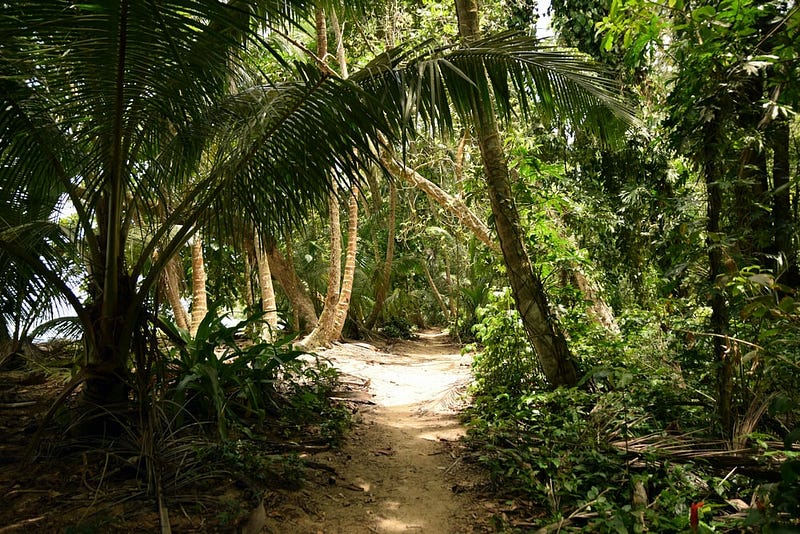
For wildlife and hiking enthusiasts, few places can beat Costa Rica. The proportion of land it covers (0.03% of the planet’s surface) boasts an impressive 6% of the world’s biodiversity, with a biological density unmatched by anywhere else on the planet.
In the last few decades, Costa Rica has also upped the ante with its fierce protection of nature and wildlife, successfully reversing deforestation and becoming a model for environmental conservation on the way.
With this in mind, I return to Costa Rica for a month in search of adventure and animals, both of which I am spoiled with. First up on my list: Tortuguero.
Tortuguero
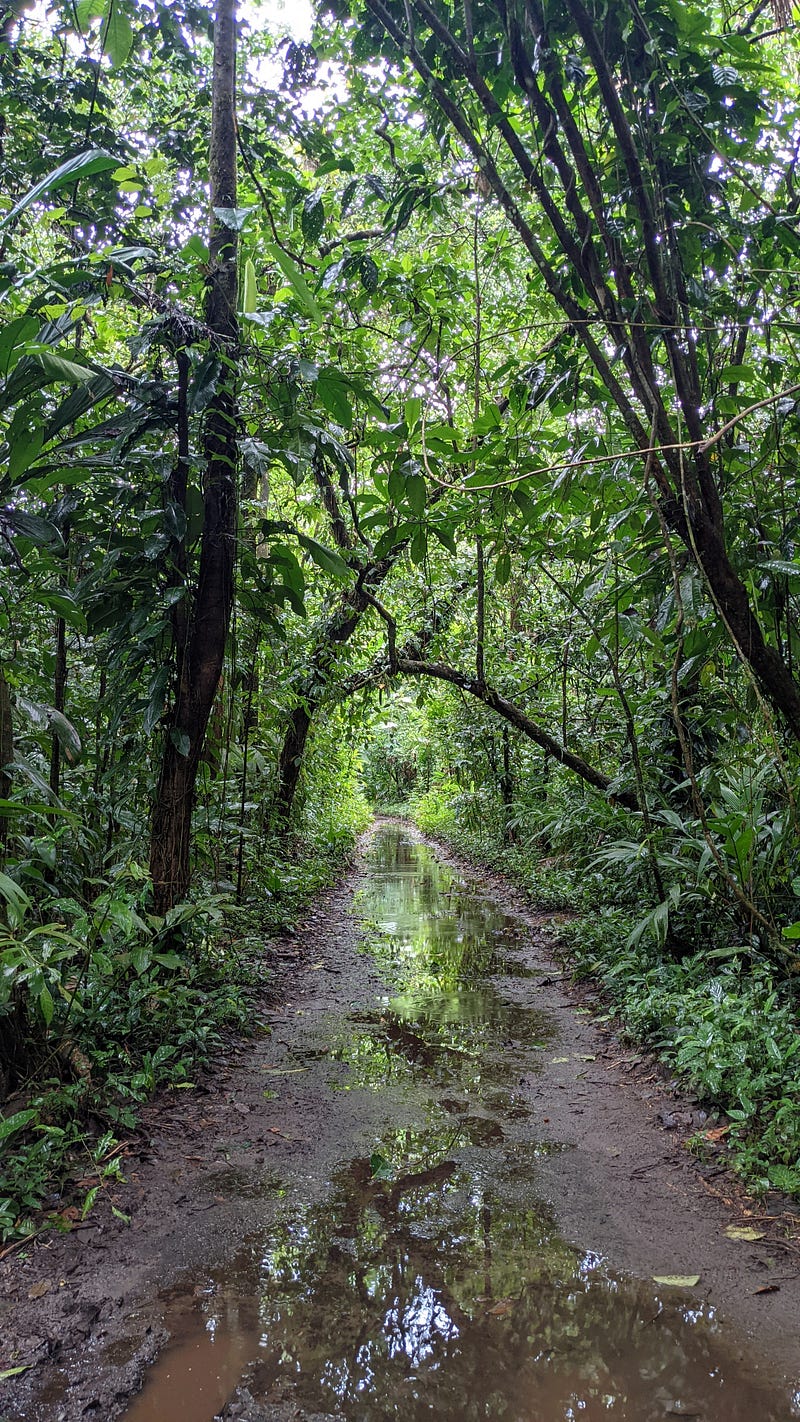
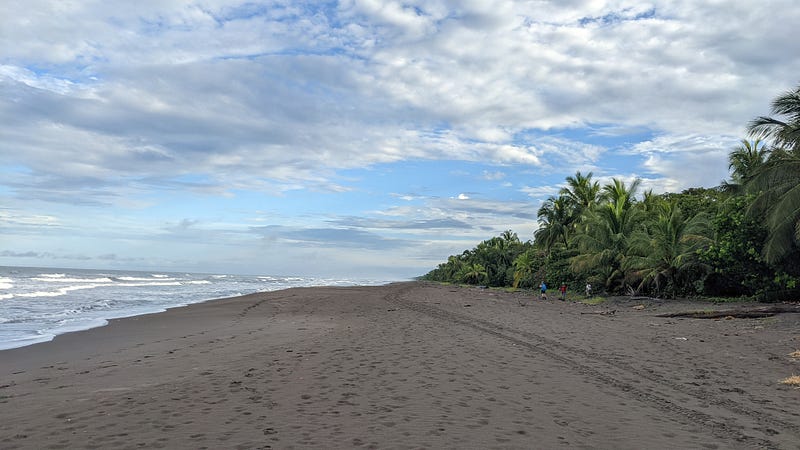
Tortuguero had appealed to me for some time, with its promises of thick rainforest, Amazonesque canals and diverse wildlife. Its layout itself is also delightfully unique — a small town located on a thin sandbar off of Costa Rica’s Caribbean coast. Named after the sea turtles that come there to nest, Tortuguero is not the fastest place to get to, which hinders some from visiting on shorter trips.
Getting to Tortuguero turns out to be a pretty commercial operation (see Getting There), and at first I am worried that we will all be shoulder to shoulder walking around the island. However I am happy to be proven wrong, and it seems the efficiency is more to control flow (at least, this was my perception). Once on Tortuguero, the tours don’t exceed eight or so, the beach is sparse, the park is not overwhelmed and the centre is not overcrowded. Tick, tick, tick, tick.
Tortuguero is famous for an impressive roster of weird and wonderful animals, but within minutes of arriving we see an incredibly rare sighting: the sun. Having done little research, I bask in its rays, blissfully ignorant that I will not see it again for quite some time.
Contents:
- Weather in Tortguero
- Preparing for the rain
- When to visit Tortuguero
- 3 days in Tortuguero
- Getting there (San José — Tortuguero by bus)
- Covid in Costa Rica (December 2021)
Weather in Tortguero
“It’s called the RAINforest for a reason!”
This is the mantra of Tortuguero, and now I understand why. I was told that Tortuguero was ‘really, really rainy’ and I was warned, multiple times, that it would rain.
And yet, in hindsight, I see that I did not really understand how it would rain. I had been to Costa Rica during THE rainy season, I reasoned, where torrential thunderstorms made jokes of our ‘waterproof’ (ha!) coats and showered us for hours at a time. But Tortuguero? Another level.
I did go in December, the second rainiest month, and maybe El Niño had something to do with it. But the consensus there was clear: it is famous for unpredictable, heavy rain year-round. You have been warned.
This is not a reason not to go, and on the contrary adds to the magic of the place. On tiny, hand propelled canoes, you poke through small canals in the rainforest, smelling and feeling the rain as large drops tap your back in an unconventional massage. You can almost see the plants grow as they soak up every drop of life.
It just helps to be prepared.
Preparing for the rain: Tips
Pack plenty of thin, waterproof clothes that you can layer. Prepare to get really wet. Hiking boots are not as good for the park as wellies, which will allow you to cross areas where half a foot of rain covers the rainforest floor. Rent a pair for a couple of dollars and keep your shoes dry for your return.
Band aids and blister packs may come in helpful if you’re caught unprepared. Mosquito repellent is helpful. Baseball caps are great for watching wildlife while it rains. When clothes get wet, the humidity often stops them from drying, but guesthouses and laundry services can dry them for you.
Unless you fly, you have to get to Tortuguero by boat. When it’s raining, many boats offer big ponchos to go over coats, but they don’t do much to keep you dry once the rain gets in.
When should you visit Tortuguero?
It depends if you want to see the turtles.
Four different species of turtles nest on Playa Tortuguero. Leatherback turtles nest March — May and Green turtles nest July — October. The best time to visit Tortuguero to see turtles is July — October with September and October being the best months. If you visit in November, nesting season is over but you may see baby turtles hatching. — MyTanFeet, an excellent Costa Rica travel blog and resource
Aside from that, it really depends what you want to do in Costa Rica. You may wish to whale watch, for which migratory patterns are pretty important. You may want a sunny beach break, meaning your best shot is probably the Pacific side during the dry season.
If you’re going diving on a live aboard to places like Coco Island, there will be recommended times to see certain animals. Another great Costa Rica travel blog details a bit on weather patterns by area, but for the rest you’ll need to decide what your priorities are. Keep in mind that in tropical countries, the weather gods may have different plans.
3 Days in Tortuguero
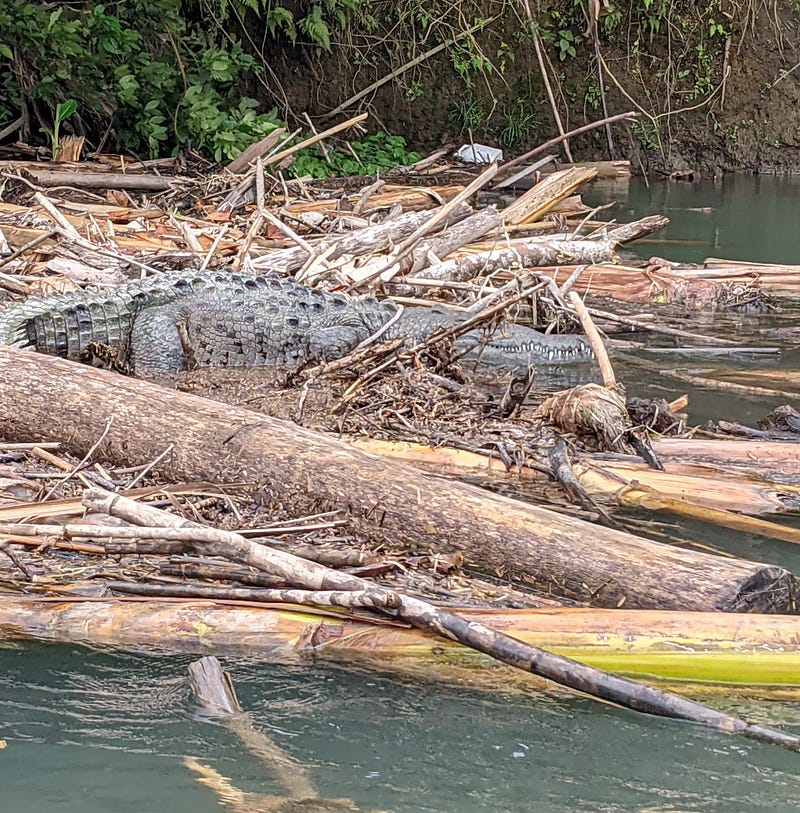
Practicalities out of the way, in my opinion, Tortuguero is 100% worth visiting. The place is literally crawling with life, from critters to monkeys to sloths and crocodiles.
They have a running joke on the famous canoes that snake through the rainforest canals.
“How do you know if a caiman is hungry?”
“Put your hand in the water!”
Before you can laugh, the guide quickly adds in the disclaimer. “This is a joke, this is a joke! Do not put your hands in the water.” I wonder if this one should be taken out of rotation.
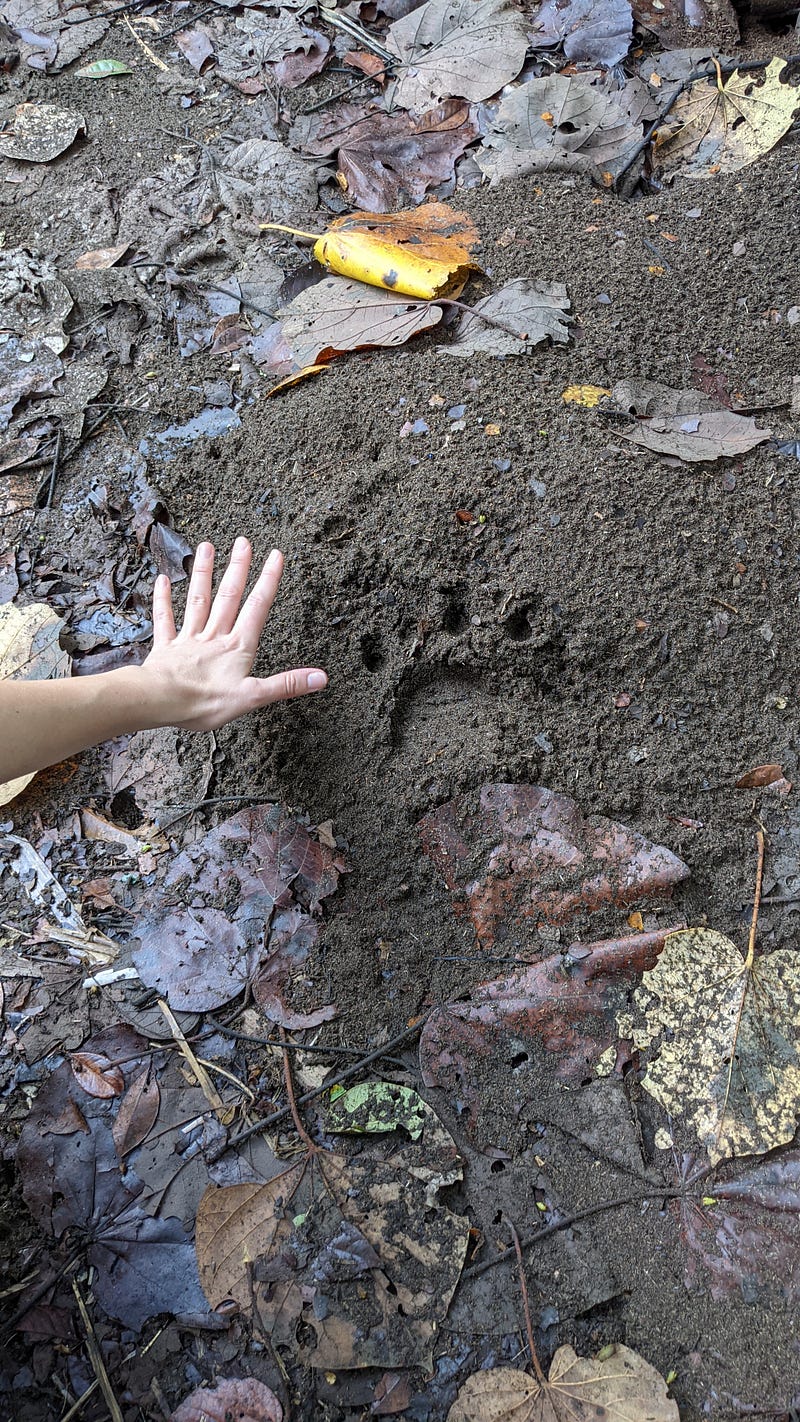
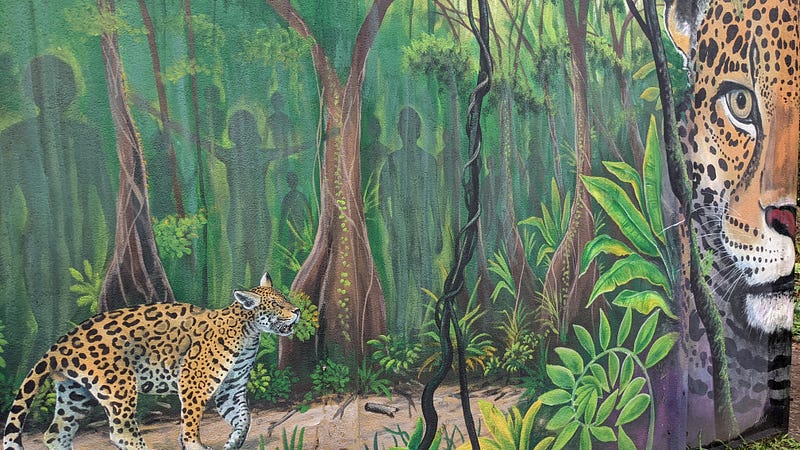
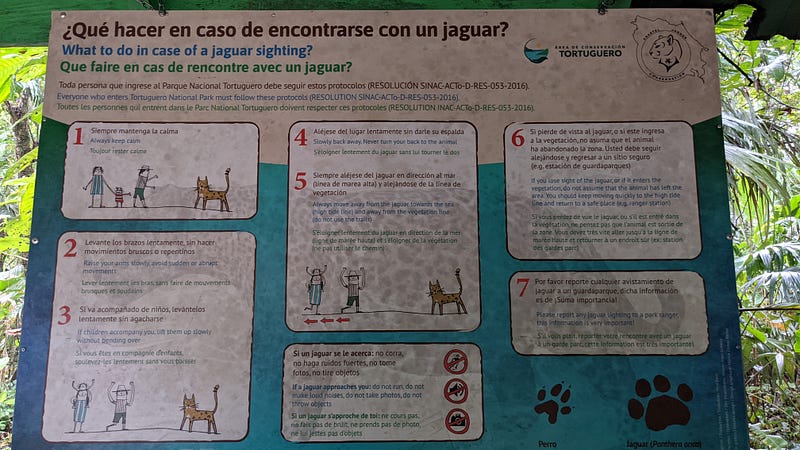
In three days, I saw a range of monkeys (including howler), baby and big iguanas, agoutis, three caimans, three big crocodiles, toucans, herons, too many birds to list and jaguar prints. Fellow hikers saw turtles on the same day.
No more than three days are needed for Tortuguero. The town is tiny and charming, but aside from Tortuguero National Park, the beach and canoe tours, there isn’t that much to do.
Canoeing through the rainforest canals was definitely a highlight, and a must if you visit Tortuguero. The boat is non-motorised, and you help the guide paddle through dense rainforest on thin canals.
As a result, there aren’t many people on the boat (maybe six or eight). People on my boat that had visited the Amazon said the Tortuguero tour was very similar, and even topped some of their experiences. It costs around $25 and takes a couple of hours. Worth noting is that it’s weather dependent — it was raining so hard for our 6am ride that we had to wait until 8am when the waters were a little more cooperative.
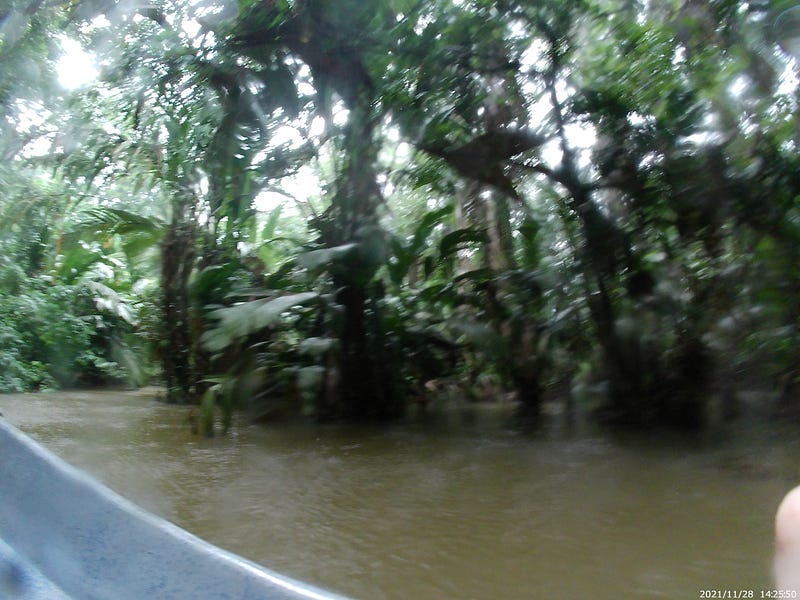
This can be a wet ride with no cover, so beware bringing anything not waterproof. I swapped my phone for my underwater camera, although it was so rainy that most shots are blurred by the raindrops (example below).
It was a magical experience that I would 100% recommend.
Aside from that, you can go to Tortuguero beach, night walks, and hikes through Tortuguero’s vast National Park, the latter with or without a guide. This last one was my second-favourite thing to do. Wellies are non-negotiable unless it’s really dry, but you can rent them near the park.
There is a fee to enter the park, around $15 per day. If you’re doing a night tour into the park, it pays to hike on the same day so you only need to pay it once.
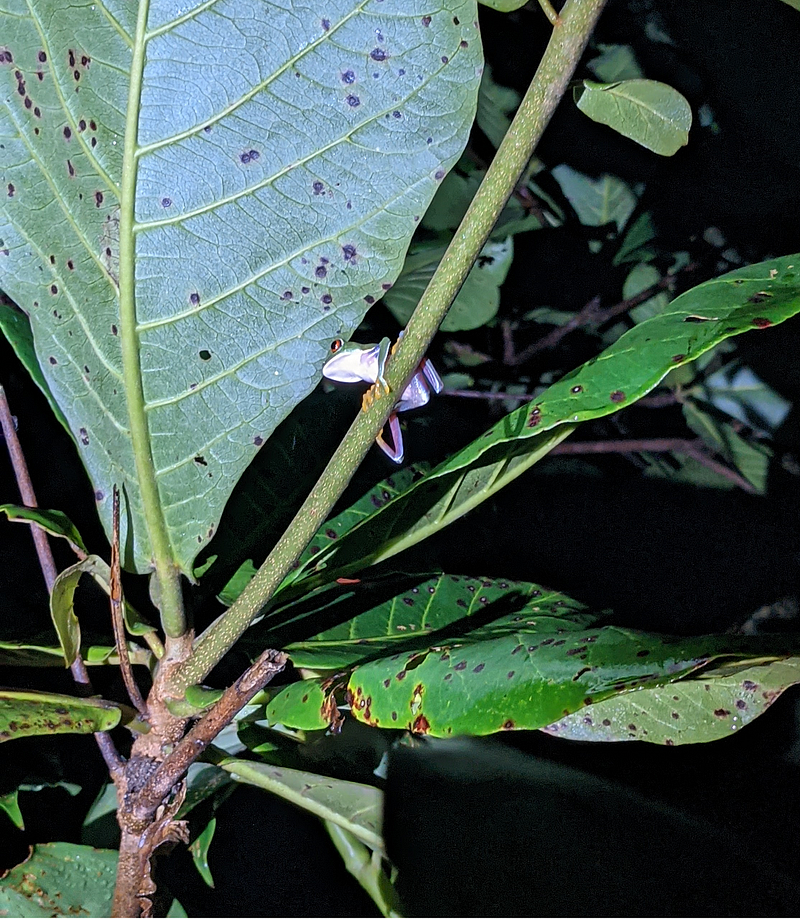
In my experience, night walks (around $25 for a couple of hours with a guide) are hit or miss. It really depends on what the animals feel like on that night, and of course, the guide. We saw a lot of sleeping birds, a frog, lizards, a sloth or two.
It’s quite fun trekking through the jungle at night, but there were lots of people lurking and you don’t go that deep in, which made it feel a little lightweight. And while our canoe guide deserved some sort of TripAdvisor medal, the night guide couldn’t really be bothered, which also detracted from my personal experience, unfortunately.
Getting to Tortuguero (27.12.21)
If you’re not on a budget and time is limited, a shared shuttle (around $55 from San José) is a good option for getting to Tortuguero. There’s also an airport in Tortuguero, but flying is not advised due to past safety concerns.
I always try to take public transport if I can, and in Costa Rica I feel very safe doing so. The route to Tortuguero involves a bus to Cariari, a bus to la Pavona, and a boat to Tortuguero. Note that if you take this route, each leg has set times, and if you get to the final part too late, you will literally miss the boat. That said, it usually waits for the public bus from Cariari, so unless you’re driving or taking a taxi, you should be OK.
All together, the public route takes around six to nine hours, depending on how well you manage the connections.
San José — Cariari: Bus
San José’s Gran Terminal del Caribe is not in the best neighbourhood, so I take an Uber from my hotel to get there, even though it’s close by. In terms of legalities, Ubers are in a strange grey area in Costa Rica, but widely regarded as one of the safest ways to get around.
I arrive to the station around 5:30am to buy a ticket for the 6:30am to Cariari (1–2 hours, 1740 CRC / $2.75) and get one without any problems. It’s often recommended to get there a bit earlier if you’re taking a bus leaving the same day.
The journey is smooth and the bus is comfortable. BuscoBus shows the bus schedule (scroll down), but keep in mind this could change. It pays to ask your hostel / hotel / other travellers a few days in advance.

Cariari — La Pavona (intended bus)
Cariari is less fun. I get off the bus hoping to take the 9am bus from Cariari to Pavona, but I’m immediately hassled by aggressive taxi drivers. They tell me the 9am bus has been cancelled and the next one is at 1pm, meaning that if I don’t go with them (for 15,000–25,000 CRC) I’ll miss the next boat for hours. It’s around 8:30, I’m still an hour away and from what I’d read, the boats leave at 07:30, 11:00, 13:00 and 16:30.
An official at the bus station neither confirms or denies this information, and instead tells me to speak to the taxi drivers, which seems strange. I am also told that the bus to Pavona leaves from another station a few hundred metres down the road, which I confirm with a few other locals. Another traveller later tells me that when it’s not cancelled, it pulls up at the same station as the incoming bus from San José.
I’ve heard that sometimes drivers tell you something is cancelled to try hassle you into a private drive. I head towards the other bus station but on the way I get chatting to a chap in a van who runs a colectivo, a sort of shared van where everyone splits the cost. He also tells me that the next bus is cancelled.
I’m sceptical, but I’ve taken colectivos in Costa Rica before and there are five others in the van, so I hop on and pay around the same as the bus fare. Thirty minutes later, we stop outside a house where an old man sharpens his machete as he glares at me, and I fear I’ve made a terrible mistake. But then a woman comes out and she swaps food with the driver, and we continue.
The feeling of suspicion intensifies when near the end, the driver asks me which hotel I’m staying at in Tortuguero. He’s annoyed when I ask why he needs it, and replies that it’s for the guards at La Pavona. Soon enough, as we enter Pavona (where the boats go to Tortuguero), guards approach the car and ask where I’m staying. I find out why shortly.
My travel alert has been up, but I make the 11am boat with plenty of time, getting me into Tortuguero around seven hours after I started (including waiting time at each station).
La Pavona — Tortuguero (boat)
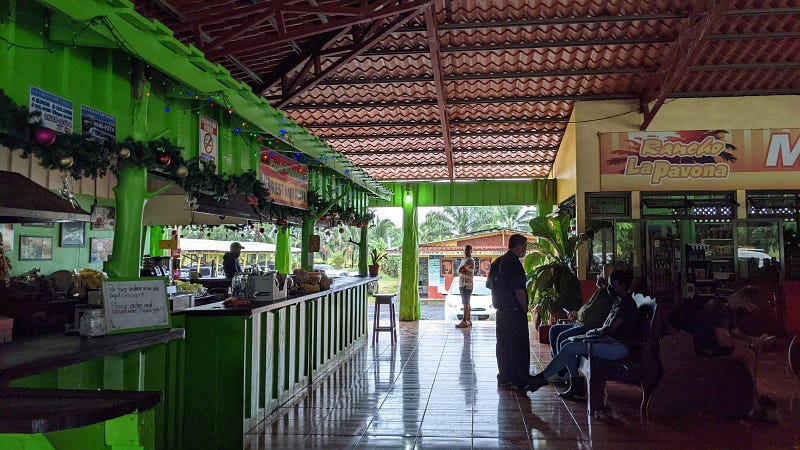
La Pavona is not what I was expecting. A pretty woman greets me with a clipboard and asks if my name is on her list. She shows me the list, and sure enough my name is there, first and last, spelled perfectly. I wonder if I’ve accidentally joined a cult.
But this is why the guards ask for the hotel — each person has a list of who is staying where, which the hotels have shared with Pavona in advance. I believe this is to control the flow of people.
Pavona feels very commercial. Something about the waiting lounge reminded me of Jurassic Park, and there are very few locals. That said, once in Tortuguero, I had an incredible time and understood the reasons behind its popularity.
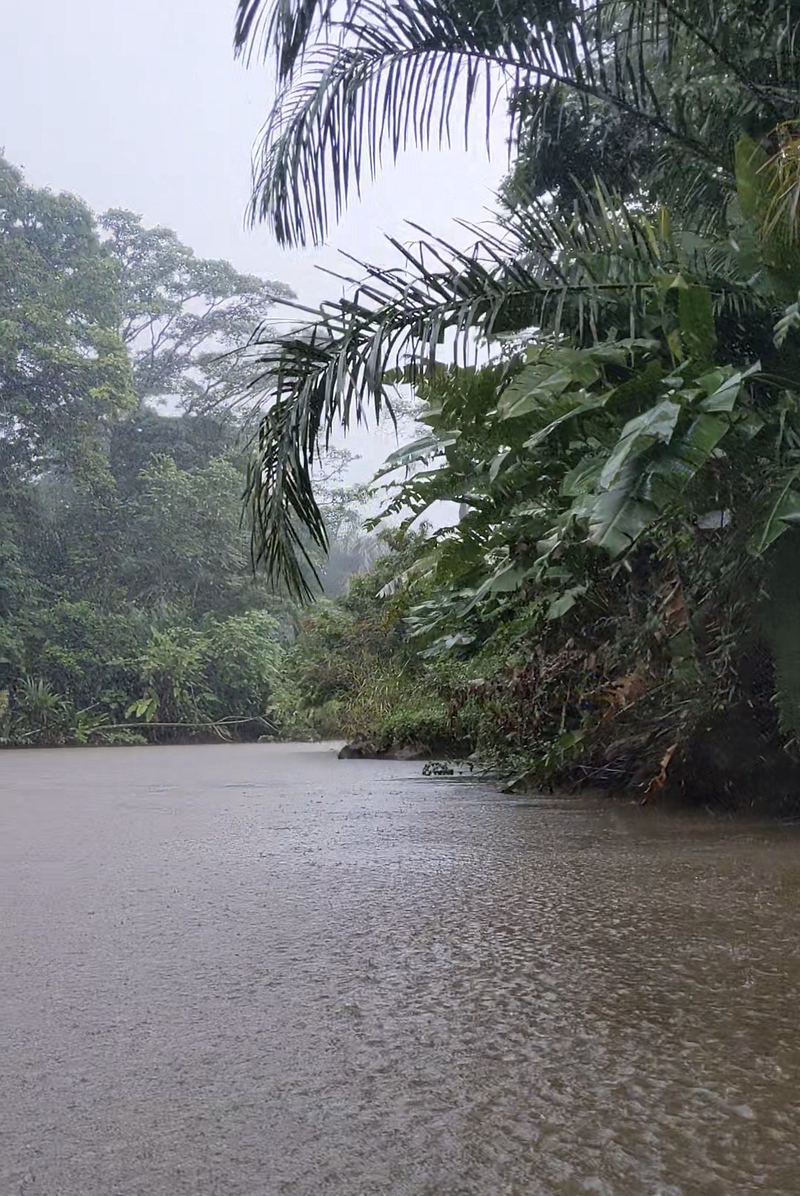
The boat ride to Tortuguero (around an hour, 3000 CRC or $5 each way) is pretty awesome. It rains, but it’s a preview of what lies ahead: towering trees, endless foliage, every shade of green, rainforests for days, and yes — rain. We are now in the rainforest now, after all.
Despite Tortuguero being a little far to get to, Tortuguero National Park is the third most visited in Costa Rica. This says a lot, as Costa Rica has 28. And unlike over-commercialised places like Manuel Antonio, it seems Tortuguero has retained both its charm and protection of animals, allowing both tourism and wildlife to thrive respectively.
For more information on Costa Rica, I recommend the following blogs, all of which have information on Tortuguero:
I’ll also be posting more about Costa Rica, so feel free to drop any questions or curiosities in the comments and I’ll answer to the best of my best ability. If there are other sources you found helpful, let me know and I’ll add them to the list above.
Video coming soon
Covid-19 in Costa Rica
Finally, a word on Covid-19 in Costa Rica. When I last visited (December 2021), levels were very low. On top of this, adherence to protocol is strict. There are pop-up sinks and hand sanitizer everywhere, and it is not uncommon to be stopped before entering an establishment if you don’t wash your hands (especially for supermarkets and restaurants).
Mask-wearing is enforced, both outside and inside (unless eating or drinking). It’s not divisive or political — you just do it. Costa Rica’s tourism industry took a huge hit from the first wave of Covid, with lots of businesses devastated and needing to close. They need tourism and will do everything in their power to keep things running.
If you’re not willing to adhere to the regulations, just don’t go. Regardless of your beliefs, it’s disrespectful and stressful for the locals, and you won’t have a good time anyway as you’ll constantly be told off. The latest entry requirements can be found here.
A little on Stubborn Travel:
Stubborn Travel is a publication designed to inspire itchy feet. If you have a travel story that you’d like to contribute, get in touch via the comments — we’d love to hear from you. Equally, if there’s a travel feature you’d like to see, let us know and we’ll do our best to make it happen.
Finally, if you enjoy reading stories from me (Jules) and you’re considering joining Medium, I’d love if you could sign up using my referral link. It directly supports me and other writers like me.


