avatarLucianoSphere (Luciano Abriata, PhD)

Free AI web copilot to create summaries, insights and extended knowledge, download it at here

5223

Abstract

ncigena-part-2-cascade-du-dard-ea5e0058127a"> <div> <div> <h2>Walking a stretch of the centuries-old Via Francigena -Part 2: Cascade du Dard</h2> <div><h3>From Romainmôtier, an old town built around an abbey church, to La Sarraz, at the other end of a pristine water-soaked…</h3></div> <div><p>medium.com</p></div> </div> <div> <div style="background-image: url(https://miro.readmedium.com/v2/resize:fit:320/0*gPYIRVvyqlD1WNaq)"></div> </div> </div> </a> </div><div id="943a" class="link-block"> <a href="https://readmedium.com/walking-a-stretch-of-the-centuries-old-via-francigena-part-3-down-the-jungle-forest-till-la-c784f760dd1f"> <div> <div> <h2>Walking a stretch of the centuries-old Via Francigena -Part 3: Down the jungle forest till La…</h2> <div><h3>From Romainmôtier, an old town built around an abbey church, to La Sarraz, at the other end of a pristine water-soaked…</h3></div> <div><p>medium.com</p></div> </div> <div> <div style="background-image: url(https://miro.readmedium.com/v2/resize:fit:320/0*v_mYwPq0wA1gg_mD)"></div> </div> </div> </a> </div><p id="5b07">I parked my bike and I slowly started jogging the trail. Within less than 100 m, it splits apart from the other two trails:</p><figure id="469f"><img src="https://cdn-images-1.readmedium.com/v2/resize:fit:800/1*rkCCdnjXfAvnaPzaAjeHrg.jpeg"><figcaption>The jogging trail goes to the left, the two others to the right. Photo by author Luciano Abriata.</figcaption></figure><p id="f1e9">Notice dear reader how the trails are fully covered with a thick layer of wood pellets. This makes the run very soft for your knees. And you may think it wears off quickly as it gets <a href="https://readmedium.com/balcony-composting-round-3-f7b0047d0ca8">composted</a>. Of course this does happen; however, it is compensated by very frequent reconditioning and addition of new pellet, and so in practice, most trails remain soft most of the time.</p><figure id="4f08"><img src="https://cdn-images-1.readmedium.com/v2/resize:fit:800/1*I9diqDxU8iTDD1BoMTDQMQ.jpeg"><figcaption>Wood pellets make it easy for your knees. Photo by author Luciano Abriata.</figcaption></figure><p id="3cf9">This jogging trail is 2.8 km long. Every couple hundred meters you find exercise spots like this one, where posts explain what exercises you are to do -if you wish:</p><figure id="02b2"><img src="https://cdn-images-1.readmedium.com/v2/resize:fit:800/1*nK_CIB8fY_BrAACaQz-dEA.png"><figcaption>An exercise spot, on which I placed a zoom of the directions as an inset. Photo by author Luciano Abriata.</figcaption></figure><p id="71fc">Some other exercise spots of this trail:</p><figure id="9dcc"><img src="https://cdn-images-1.readmedium.com/v2/resize:fit:800/1*HdWjI8Yx0v3vNSy5Kpo0ow.jpeg"><figcaption></figcaption></figure><figure id="60ae"><img src="https://cdn-images-1.readmedium.com/v2/resize:fit:800/1*PBV5XwLt0qLbKB1-90WQFw.jpeg"><figcaption></figcaption></figure><figure id="bb56"><img src="https://cdn-images-1.readmedium.com/v2/resize:fit:800/1*QxtII2AY06wVVVojrM8jYQ.jpeg"><figcaption></figcaption></figure><figure id="4de6"><img src="https://cdn-images-1.readmedium.com/v2/resize:fit:800/1*jdoPCLBzDKXa4AvhkraCoQ.jpeg"><figcaption>Various exercising spots of this trail. Photos by author Luciano Abriata.</figcaption></figure><h1 id="3ca4">Jogging in the wild</h1><p id="dc9b">Like most of the trails built and maintained by this company in association with local governments, this one is embedded in a forest. So you get these kinds of views as you run:</p><figure id="e23a"><img src="https://cdn-images-1.readmedium.com/v2/resize:fit:800/1*4A30RSkHFupKXxipSkREuw.jpeg"><figcaption>Trees are very tall in this forest. Photo by author Luciano Abriata.</figcaption></figure><figure id="afd5"><img src="https://cdn-images-1.readmedium.com/v2/resize:fit:800/1*BQwF4waXHjIedmQ1Igb9vA.jpeg"><figcaption>Trails even include bridges to go over water streams and rivers. Photo by author Luciano Abriata.</figcaption></figure><p id="b8dd">As you see this forest is quite dense. Here are some shots of the wild environments you find:</p><figure id="6053"><img src="https://cdn-images-1.readmedium.com/v2/resize:fit:800/1*U8qAE3o3ly_bIrsqXS0QiQ.jpeg"><figcaption>Low lands with grasses and bushes. Photo by author Luciano Abriata.</figcaption></figure><figure id="ecfb"><img src="https://cdn-images-1.readmedium.com/v2/resize:fit:800/1*h1r9jYlSAM_DY64Ya570CA.jpeg"><figcaption>Even ferns grow in the most humid areas. Photo by author Luciano Abriata.</figcaption></figure><p id="5607">Some plants even grow onto others:</p><figure id="48a4"><img src="https://cdn-images-1.readmedium.com/v2/resize:fit:800/1*XEsgdwfEyfz7vdWfAR4Nlg.jpeg"><figcaption></figcaption></figure><figure id="0123"><img src="https://cdn-images-1.readmedium.com/v2/resize:fit:800/1*AtQxinpor_3youtgY2DEWQ.jpeg"><figcaption>Climbing plants. Photos by author Luciano Abr

Options

iata.</figcaption></figure><h1 id="bb82">Education on nature, the role of forests, and how to maintain them</h1><p id="08d8">As I introduced, this trail overlaps partly with an educational trail that describes the different species of plants and birds you can find in this forest:</p><figure id="765b"><img src="https://cdn-images-1.readmedium.com/v2/resize:fit:800/1*htKLMT8UraTdVDHLakfRzQ.jpeg"><figcaption></figcaption></figure><figure id="28ce"><img src="https://cdn-images-1.readmedium.com/v2/resize:fit:800/1*_RQQPsvczOILyi45QHg0Kg.jpeg"><figcaption></figcaption></figure><figure id="3c07"><img src="https://cdn-images-1.readmedium.com/v2/resize:fit:800/1*LM1lOupv1nURHmHiTVychw.jpeg"><figcaption>Example posts describing the local plants and birds.</figcaption></figure><p id="a03a">Europe’s forests were quite devastated especially between the middle ages and the XIX century. In the last decades, there have been serious efforts to recover native species and slowly expand the realm of forests, at least in Switzerland. Importantly, wood (which is still very widely used for heating in this country!) is obtained from local forests but in carefully controlled procedures that are framed within a regulated system of tree cutting, tree planting, and natural resource management.</p><p id="4328">Education of the younger generations is key, and what better way to achieve it than engaging them directly with the forests. Most forests I’ve seen here have dedicated sections of expansion, where kids and families come together to plant trees. After each “plantathons” a plaque is placed with the names of the kids who participated in it. This one is from year 2014 in the forest where this story takes place:</p><figure id="c332"><img src="https://cdn-images-1.readmedium.com/v2/resize:fit:800/1*SKGenH45kHRTeGxjIDDApQ.jpeg"><figcaption>Photo by author Luciano Abriata.</figcaption></figure><p id="ba8d">These plantations are usually in the perimeter of the forest, as they attempt to extend them. Here’s what a section of the 2014 plantation looks like:</p><figure id="329b"><img src="https://cdn-images-1.readmedium.com/v2/resize:fit:800/1*z9UleftYwTipAsgsKz3LIQ.jpeg"><figcaption>Photo by author Luciano Abriata.</figcaption></figure><p id="e0de">As you see the trees are protected. And if you look inside…</p><figure id="5304"><img src="https://cdn-images-1.readmedium.com/v2/resize:fit:800/1*is5-v7DxGpZLK8eiD_up4Q.jpeg"><figcaption>I am Groot! Photo by author Luciano Abriata.</figcaption></figure><h1 id="4364">In concluding, dear reader, I set you to think</h1><p id="8218">I hope you’ve enjoyed this story, and that it set you to think about how forests, native species, etc. are managed around your region, in your country, and worldwide. Are the local flora and fauna of your region abundant, or have they been taken over by foreign species? Do you have forests close to your house? Is visiting a forest or other kind of natural space a quotidian activity, or only the subject of a special day out? Are the companies around you engaged in promoting well-being, preserving nature, and communicating its value to future generations? What can you do to improve all these?</p><p id="6c01">In greeting you, I leave you with three more photos:</p><figure id="79e7"><img src="https://cdn-images-1.readmedium.com/v2/resize:fit:800/1*MfAStjVHTopdEAThFzKAEA.jpeg"><figcaption>Art in wood. Photo by author Luciano Abriata.</figcaption></figure><div id="e58e" class="link-block"> <a href="https://readmedium.com/a-woodshop-in-the-wild-3ad8a7eff337"> <div> <div> <h2>A woodshop in the wild</h2> <div><h3>In one of the forests nearby, a mysterious workshop produces artwork out of wood logs. Pass and know some of their…</h3></div> <div><p>medium.com</p></div> </div> <div> <div style="background-image: url(https://miro.readmedium.com/v2/resize:fit:320/1*t_MlbBTzZsKO5YTAqG0I6Q.jpeg)"></div> </div> </div> </a> </div><figure id="7b32"><img src="https://cdn-images-1.readmedium.com/v2/resize:fit:800/1*eRPAoyXYNwub2Ta7q24y0Q.jpeg"><figcaption>My bike waiting me to take me back home when I finished the routine. Photo by author Luciano Abriata.</figcaption></figure><figure id="13c2"><img src="https://cdn-images-1.readmedium.com/v2/resize:fit:800/1*2IuJild1wvqXLWgwk4mNfg.jpeg"><figcaption>This story happened in autumn, so of course there were plenty of fungi. Photo by author Luciano Abriata.</figcaption></figure><div id="9f98" class="link-block"> <a href="https://readmedium.com/welcome-autumn-welcome-mushrooms-f03c4d90a0d5"> <div> <div> <h2>Welcome autumn, welcome mushrooms</h2> <div><h3>A selection of close-up photos of the first mushrooms of this fall.</h3></div> <div><p>medium.com</p></div> </div> <div> <div style="background-image: url(https://miro.readmedium.com/v2/resize:fit:320/1*8UjobSGwumBiRGpTJws1yw.png)"></div> </div> </div> </a> </div></article></body>

One of almost 500 jogging trails installed in forests by a company and local governments. Photo by author Luciano Abriata.

Views of a foreign resident

Corporate responsibility and Swiss idiosyncrasy embodied in a forest jogging trail

Yes, corporate responsibility and Swiss idiosyncrasy embodied in a forest jogging trail.

A private company is involved in this story, but this is not promoted content. I’m writing this article out of genuine interest to showcase a long-standing action of this company, that reflects social responsibility and values that need to be applauded and reproduced all over the globe. I won’t give the name of the company but if you live in Switzerland you will recognize it immediately.

Together with hundreds of towns spread all over Switzerland, this company builds and maintains running trails all around the country. These trails are most often embedded inside forests, and they consist not only of jogging routes but also of regularly spaced exercising points. These trails are not just for the company to show off, but actually truly useful trails that large numbers of people use every day.

Right now there are exactly 499 of these running trails, which means roughly 1 trail every 80 km² of country area (actually, the practical density is even higher if we consider that a large area of the country is low-populated due to the mountains). I have visited, sometimes exercised in, many of these trails for years, and I have always found them extremely well maintained. So it’s not a do-once-to-show-off-then-forget.

In this story, I share with you some snapshots I took in a jogging trail built in collaboration between this company and the town of Bussigny, right inside a forest along the Venoge river, west of Lausanne. Interspersed with the photos I comment on the values that these trails represent, stressing how an expat adopted by the country sees Swiss idiosyncrasy embodied in these kinds of developments. The story is split in three sections titled “The trail(s)”, “Jogging in the wild”, and “Education on nature, the role of forests and how to maintain them”, plus an ending “Conclusion to make you think”.

The trail(s)

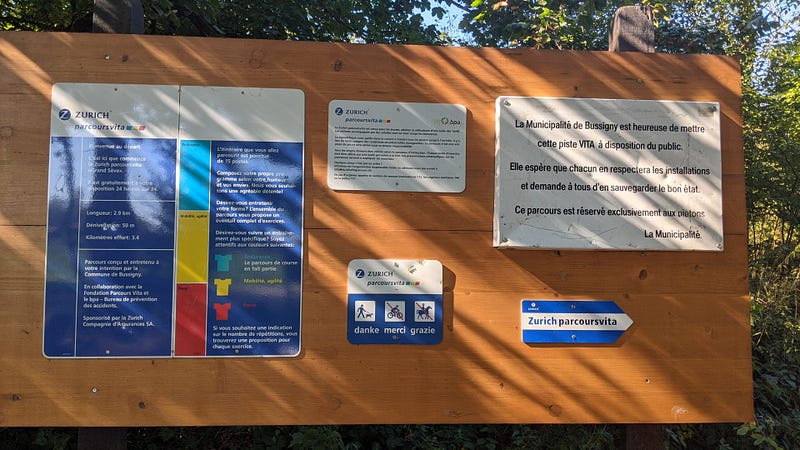
As I just said this particular trail is embedded in a forest. Right where the trail begins and ends (it is circular) you have two posts: one describing the forest, how it is maintained, and why it needs to be maintained; and another with details of the exercising trail itself.
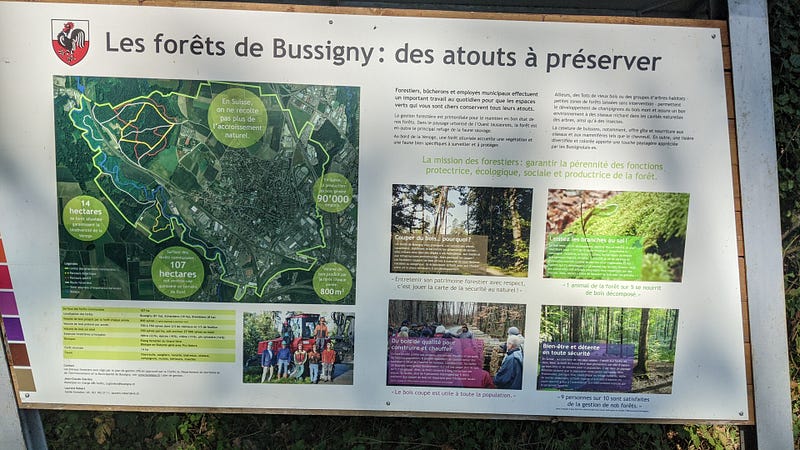
Educational post about the role of forests, how to preserve them, and how to responsibly exploit them. Photo by author Luciano Abriata.
The jogging trail in French, German and Italian. Photo by author Luciano Abriata.

Notice that the post about the jogging trail is written in the 3 main official languages of the country, French, Italian, and German (the fourth is Romansh, but all Romansh speakers I’ve met also speak one of the 3 other national languages). In the three languages, you have clear instructions, polite requests, and of course respectful acknowledgments. Although this is a french-speaking region, it is not at all uncommon to come across German speakers all around. Italian speakers are less common here, and the Italian language is probably better represented by Italian immigrants rather than native Italian-speaking Swiss.

Right where these two posts are, two trails begin and one passes by. Of the two trails that begin here, one is the circular trail subject of this story, and the other is a circular educational trail about the plants and birds of this forest. The third trail in question is the Via Francigena that I presented in these recent stories:

I parked my bike and I slowly started jogging the trail. Within less than 100 m, it splits apart from the other two trails:
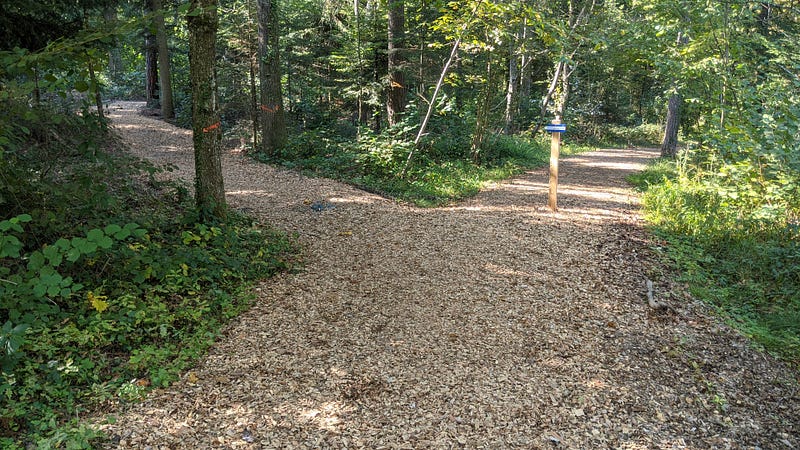
The jogging trail goes to the left, the two others to the right. Photo by author Luciano Abriata.

Notice dear reader how the trails are fully covered with a thick layer of wood pellets. This makes the run very soft for your knees. And you may think it wears off quickly as it gets composted. Of course this does happen; however, it is compensated by very frequent reconditioning and addition of new pellet, and so in practice, most trails remain soft most of the time.
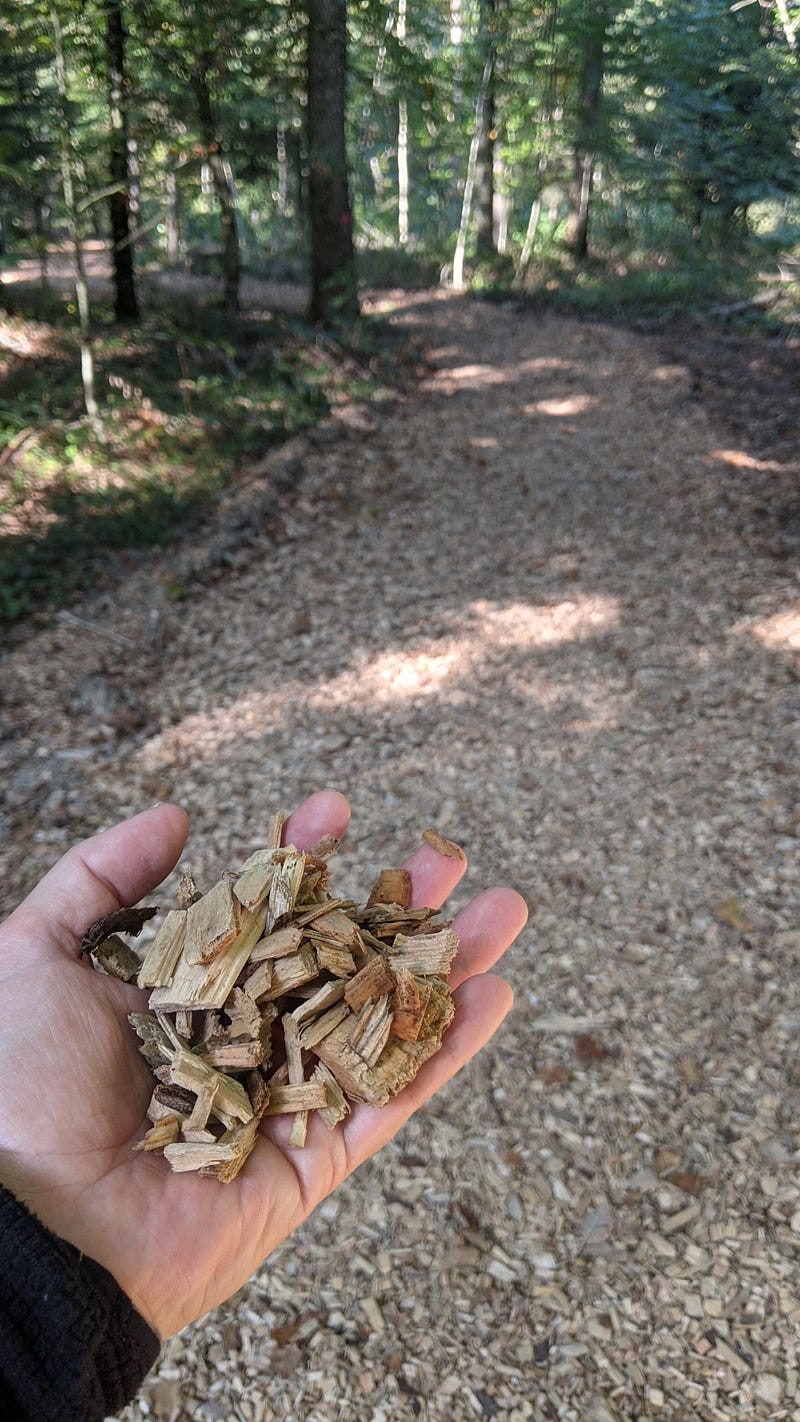
Wood pellets make it easy for your knees. Photo by author Luciano Abriata.

This jogging trail is 2.8 km long. Every couple hundred meters you find exercise spots like this one, where posts explain what exercises you are to do -if you wish:
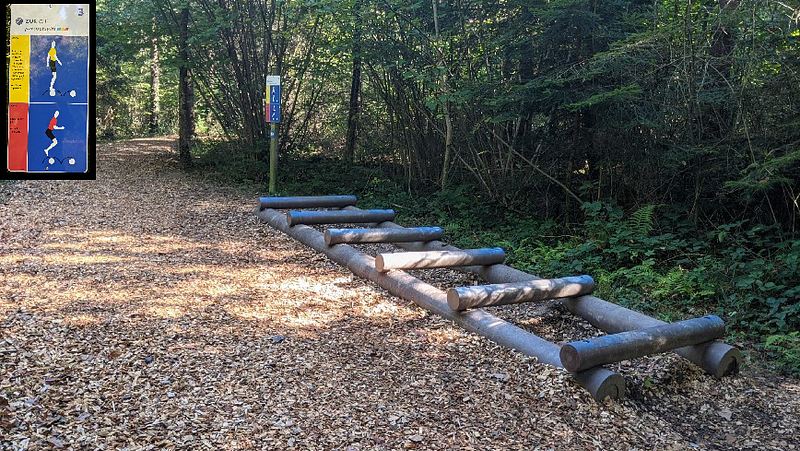
An exercise spot, on which I placed a zoom of the directions as an inset. Photo by author Luciano Abriata.

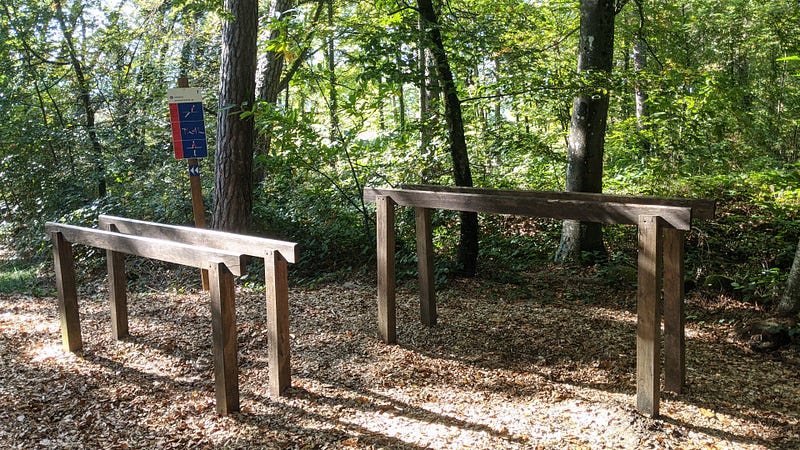
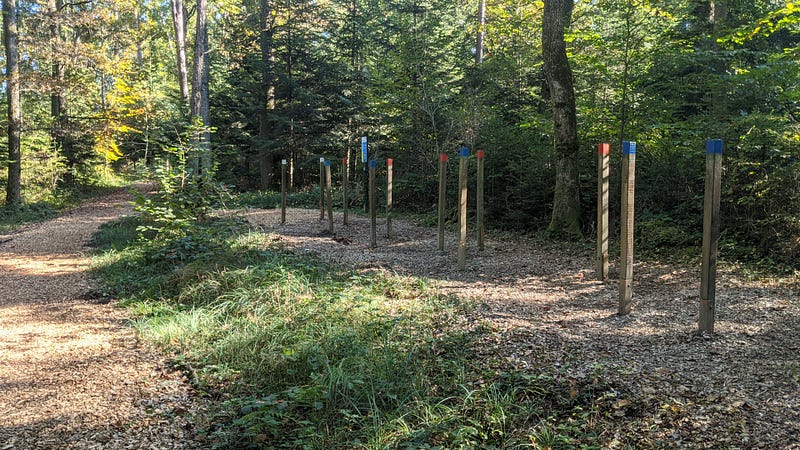
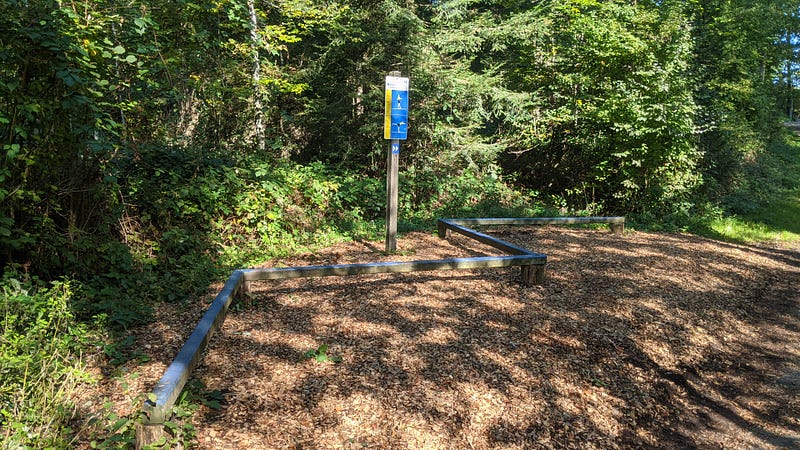
Some other exercise spots of this trail:
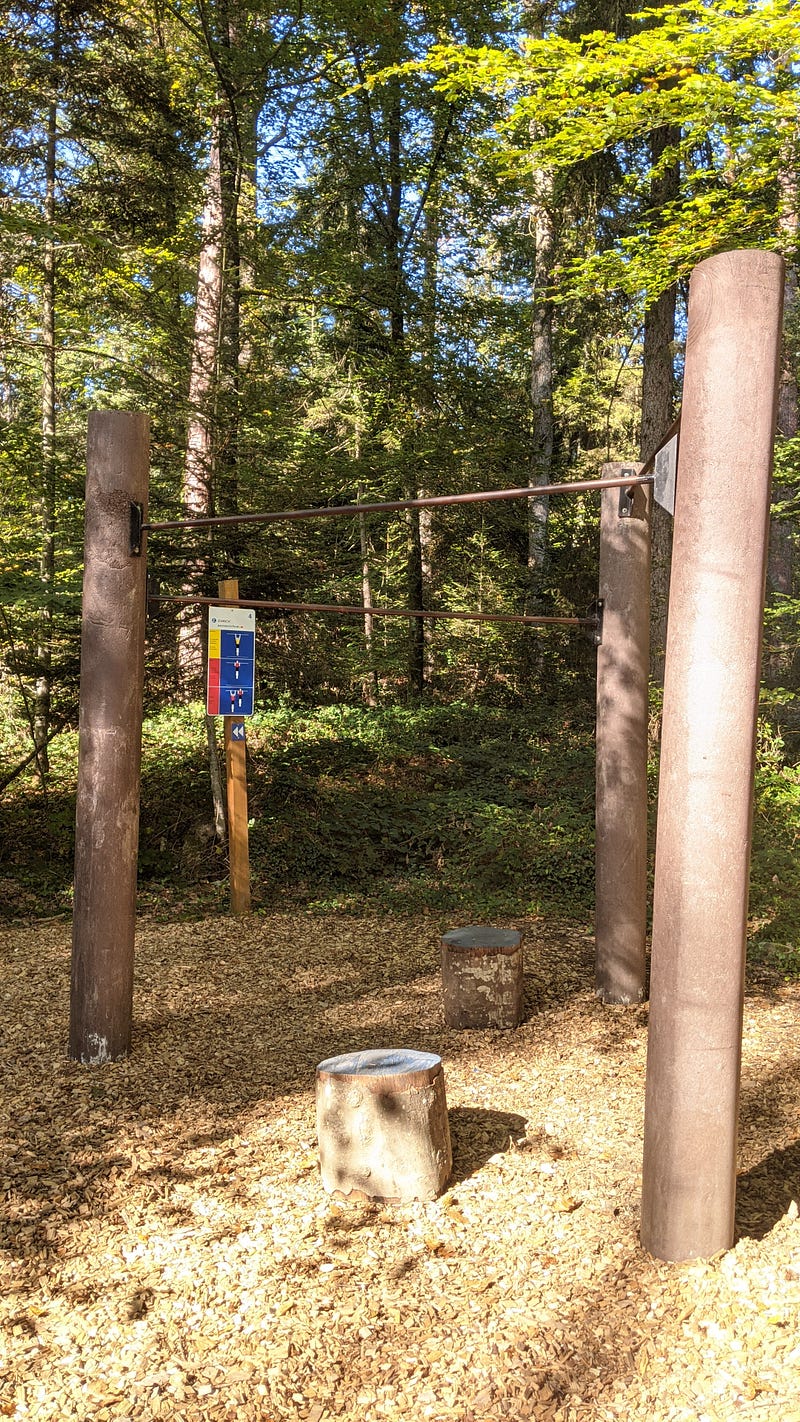
Various exercising spots of this trail. Photos by author Luciano Abriata.

Jogging in the wild

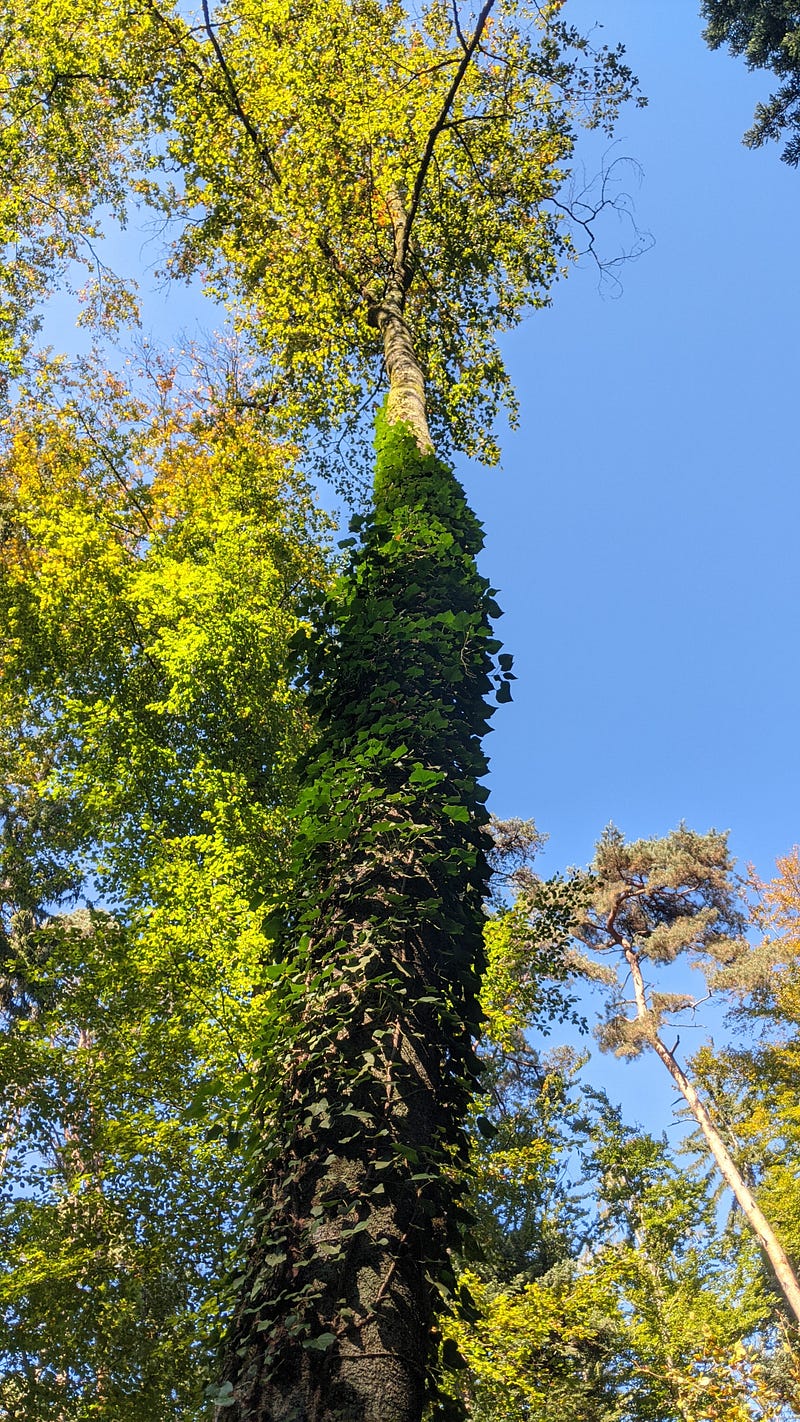
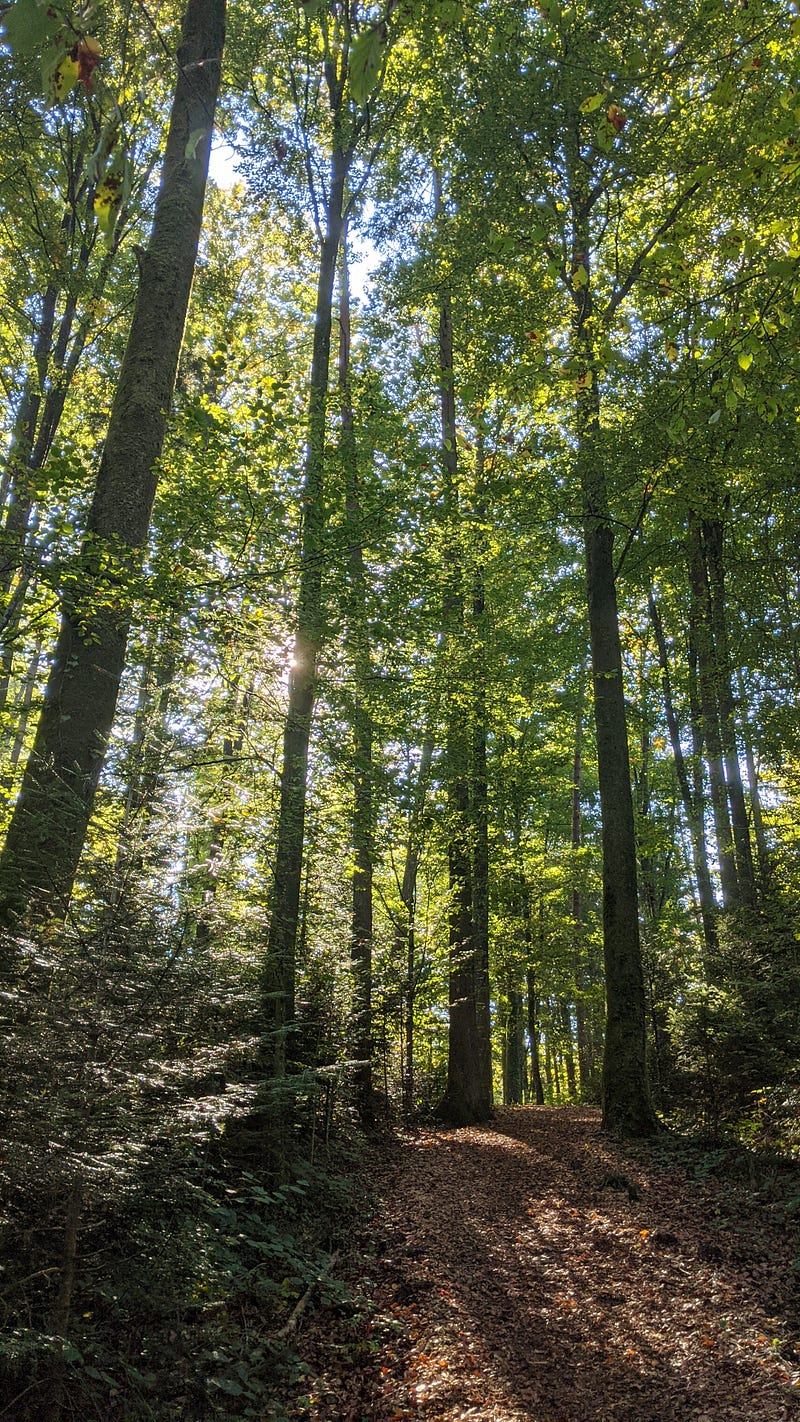
Like most of the trails built and maintained by this company in association with local governments, this one is embedded in a forest. So you get these kinds of views as you run:
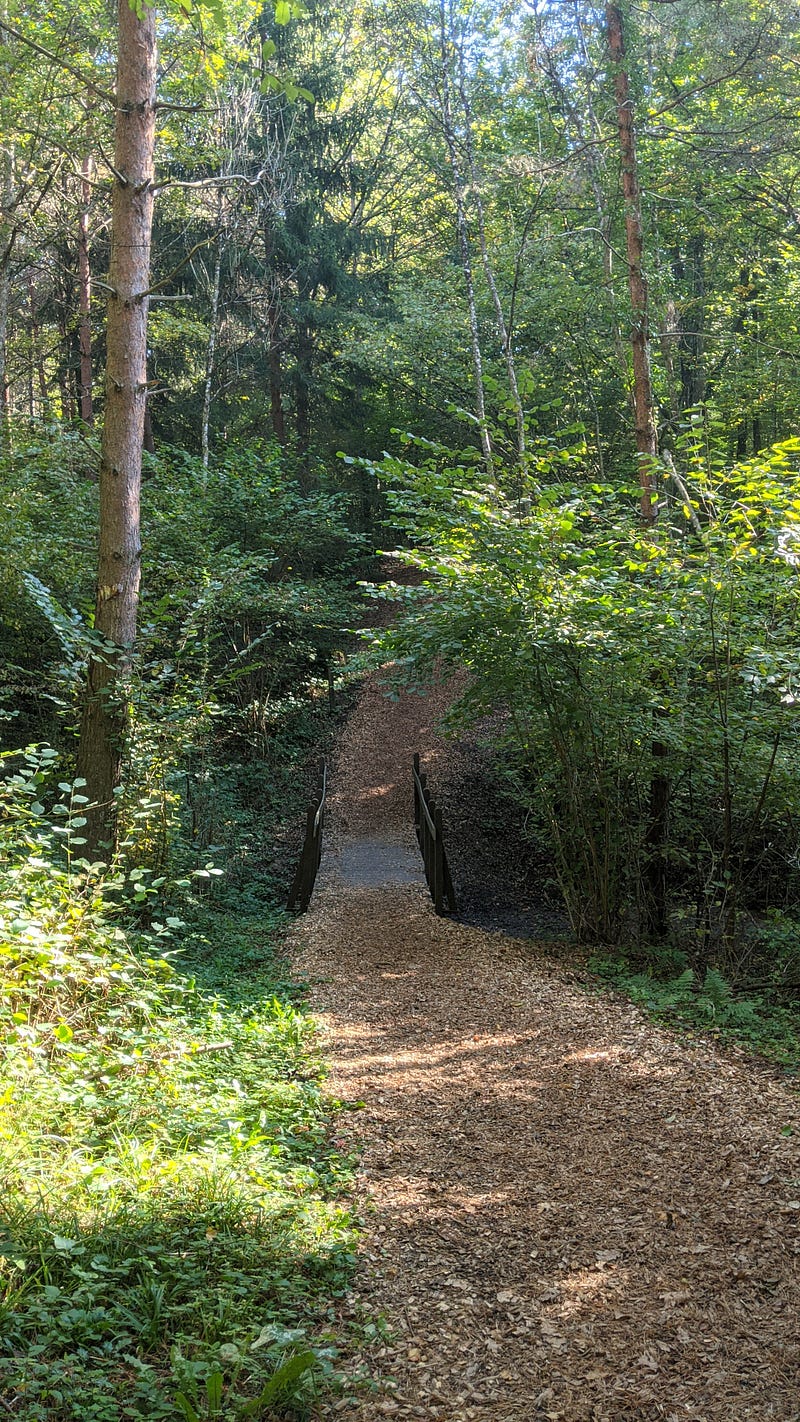
Trees are very tall in this forest. Photo by author Luciano Abriata.
Trails even include bridges to go over water streams and rivers. Photo by author Luciano Abriata.

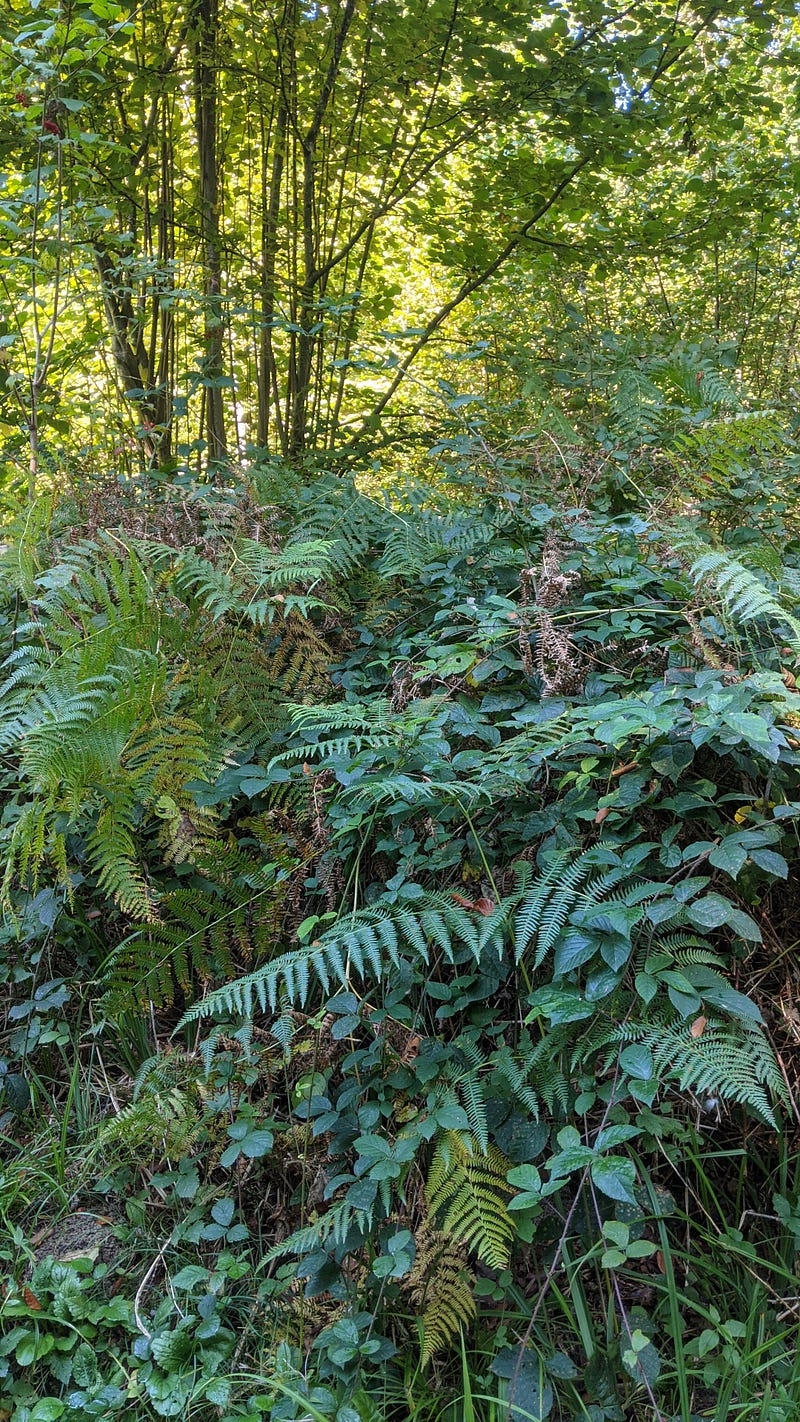
As you see this forest is quite dense. Here are some shots of the wild environments you find:
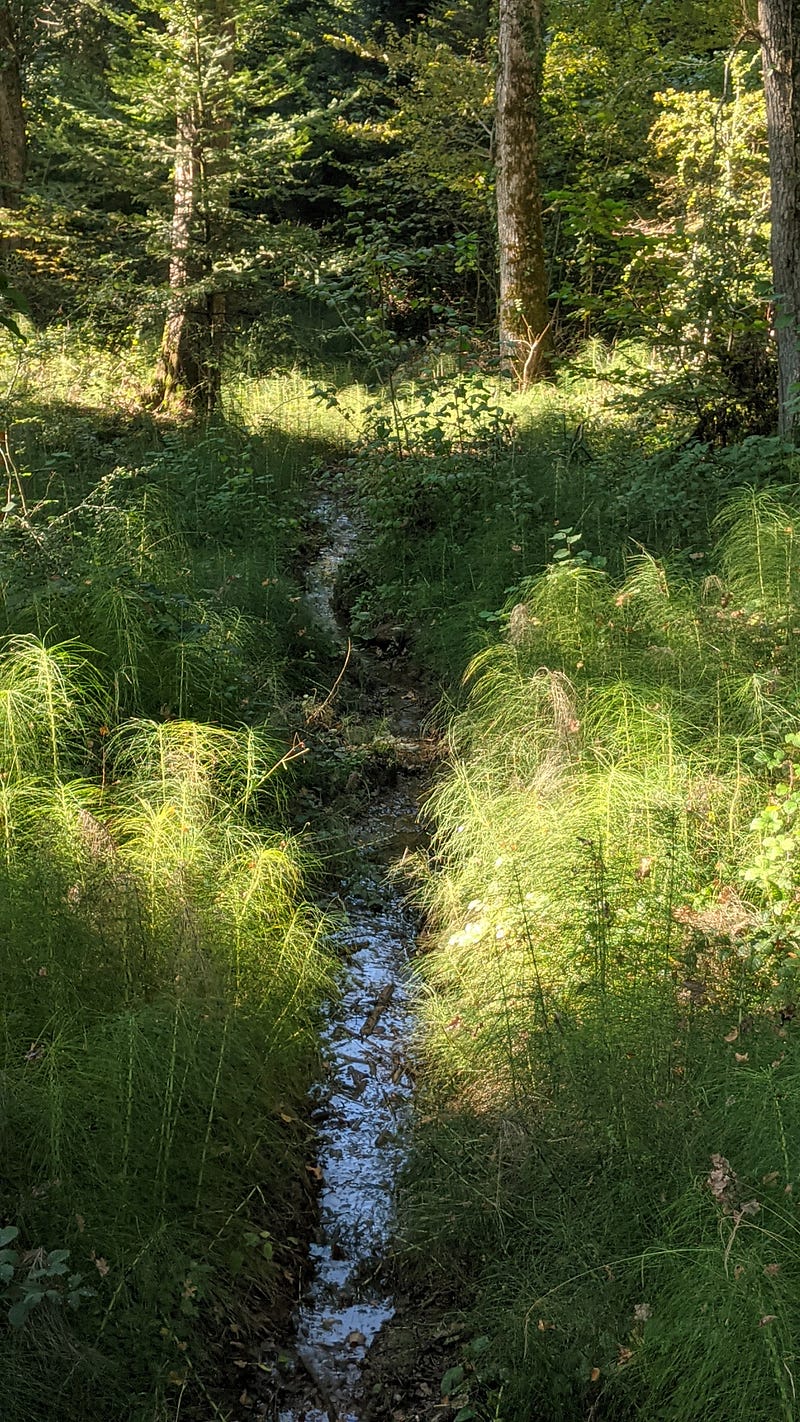
Low lands with grasses and bushes. Photo by author Luciano Abriata.
Even ferns grow in the most humid areas. Photo by author Luciano Abriata.

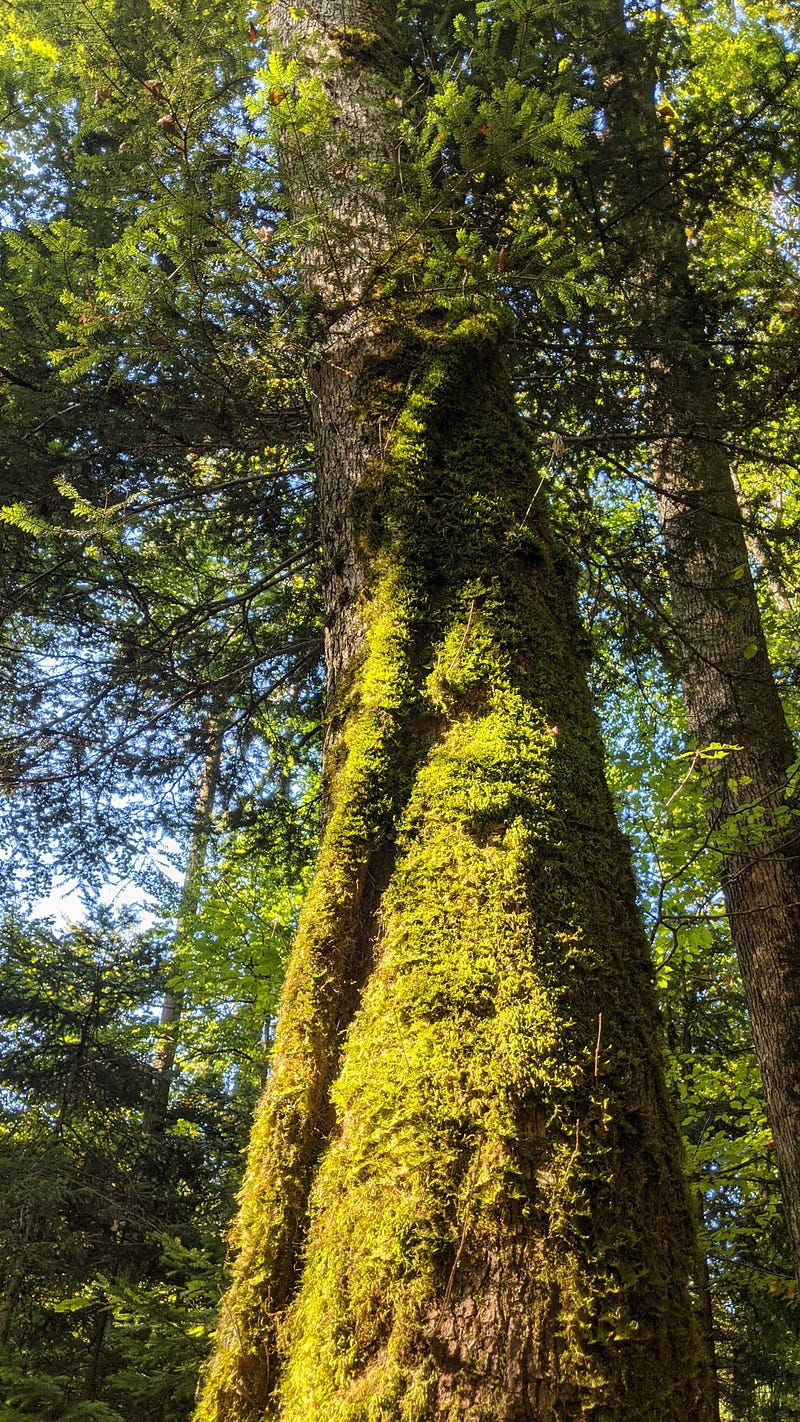
Some plants even grow onto others:

Climbing plants. Photos by author Luciano Abriata.

Education on nature, the role of forests, and how to maintain them

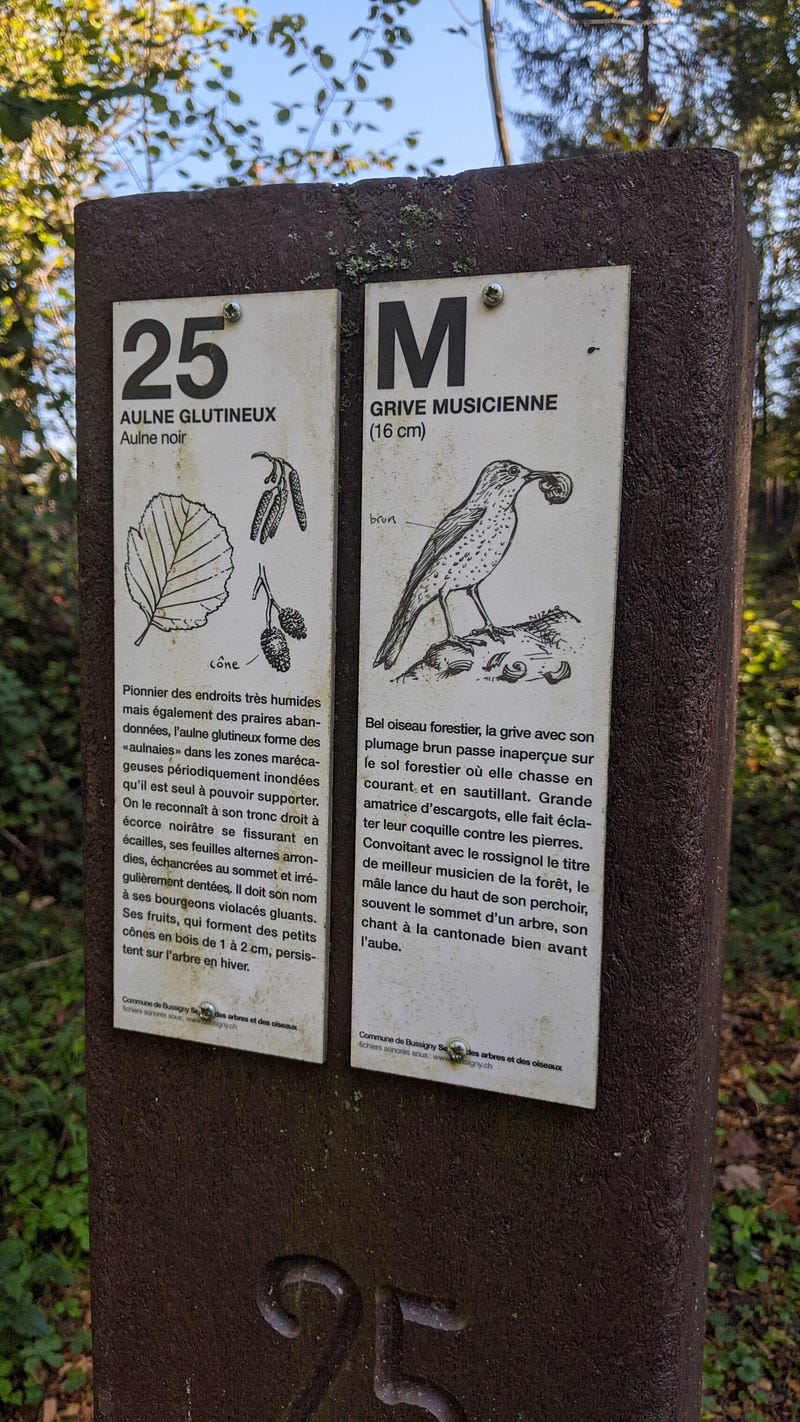
As I introduced, this trail overlaps partly with an educational trail that describes the different species of plants and birds you can find in this forest:
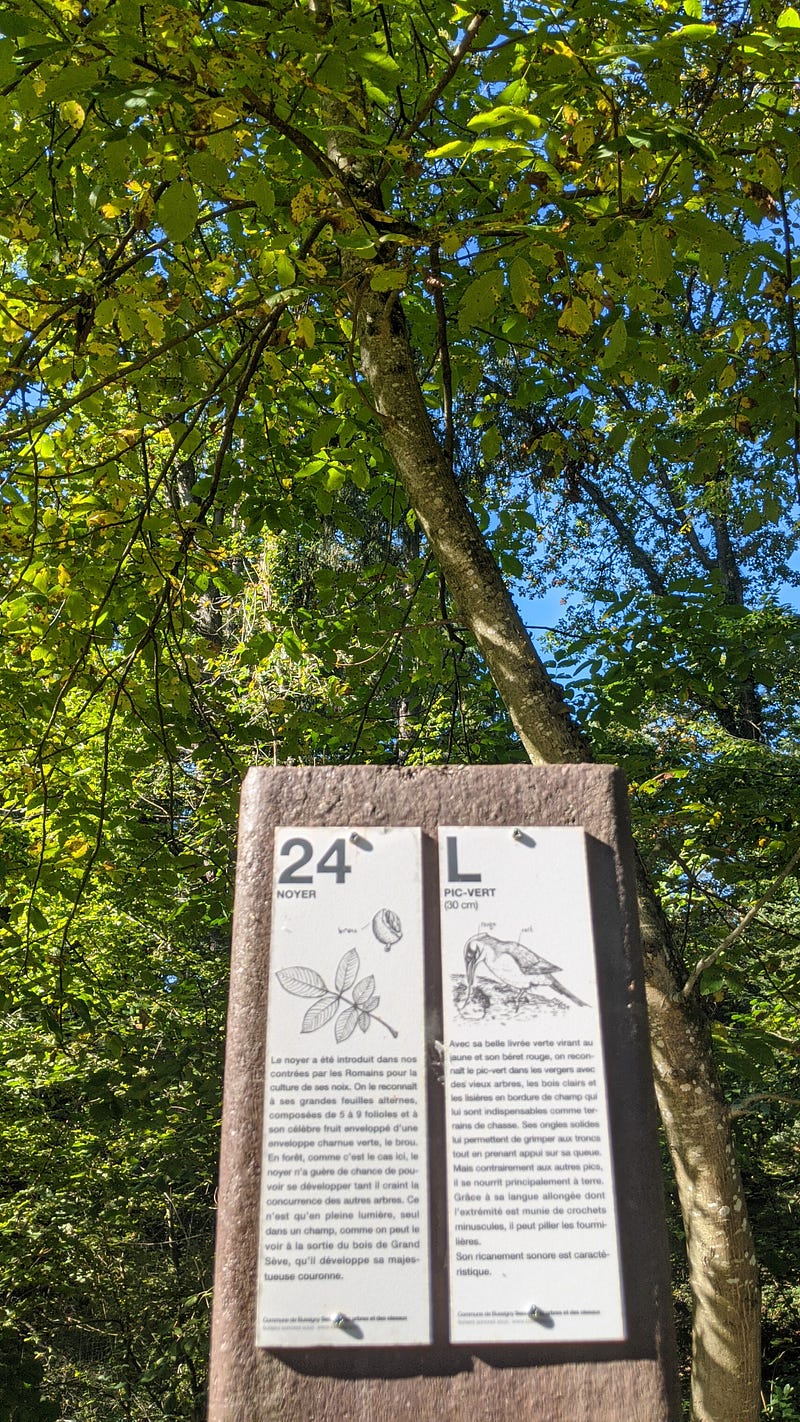
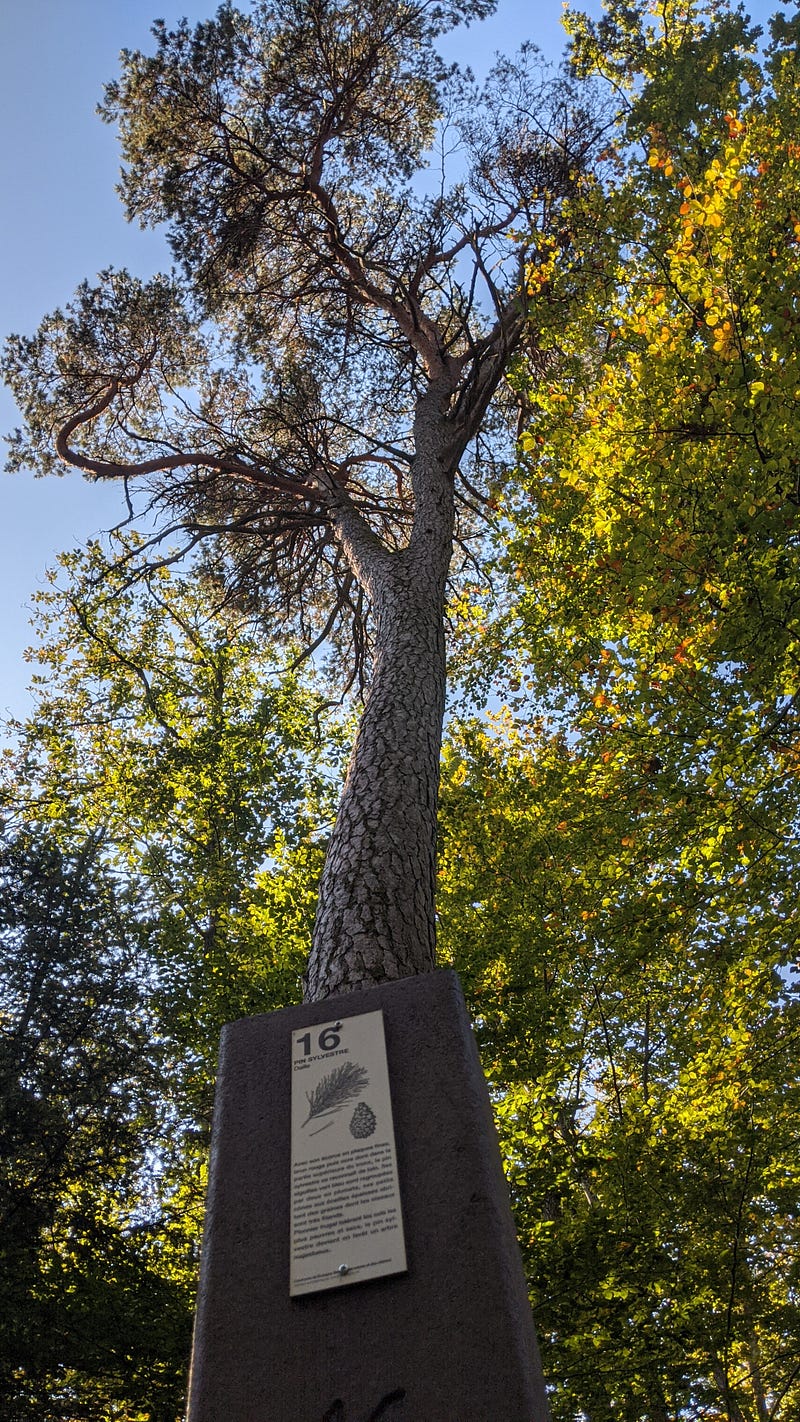
Example posts describing the local plants and birds.

Europe’s forests were quite devastated especially between the middle ages and the XIX century. In the last decades, there have been serious efforts to recover native species and slowly expand the realm of forests, at least in Switzerland. Importantly, wood (which is still very widely used for heating in this country!) is obtained from local forests but in carefully controlled procedures that are framed within a regulated system of tree cutting, tree planting, and natural resource management.

Education of the younger generations is key, and what better way to achieve it than engaging them directly with the forests. Most forests I’ve seen here have dedicated sections of expansion, where kids and families come together to plant trees. After each “plantathons” a plaque is placed with the names of the kids who participated in it. This one is from year 2014 in the forest where this story takes place:
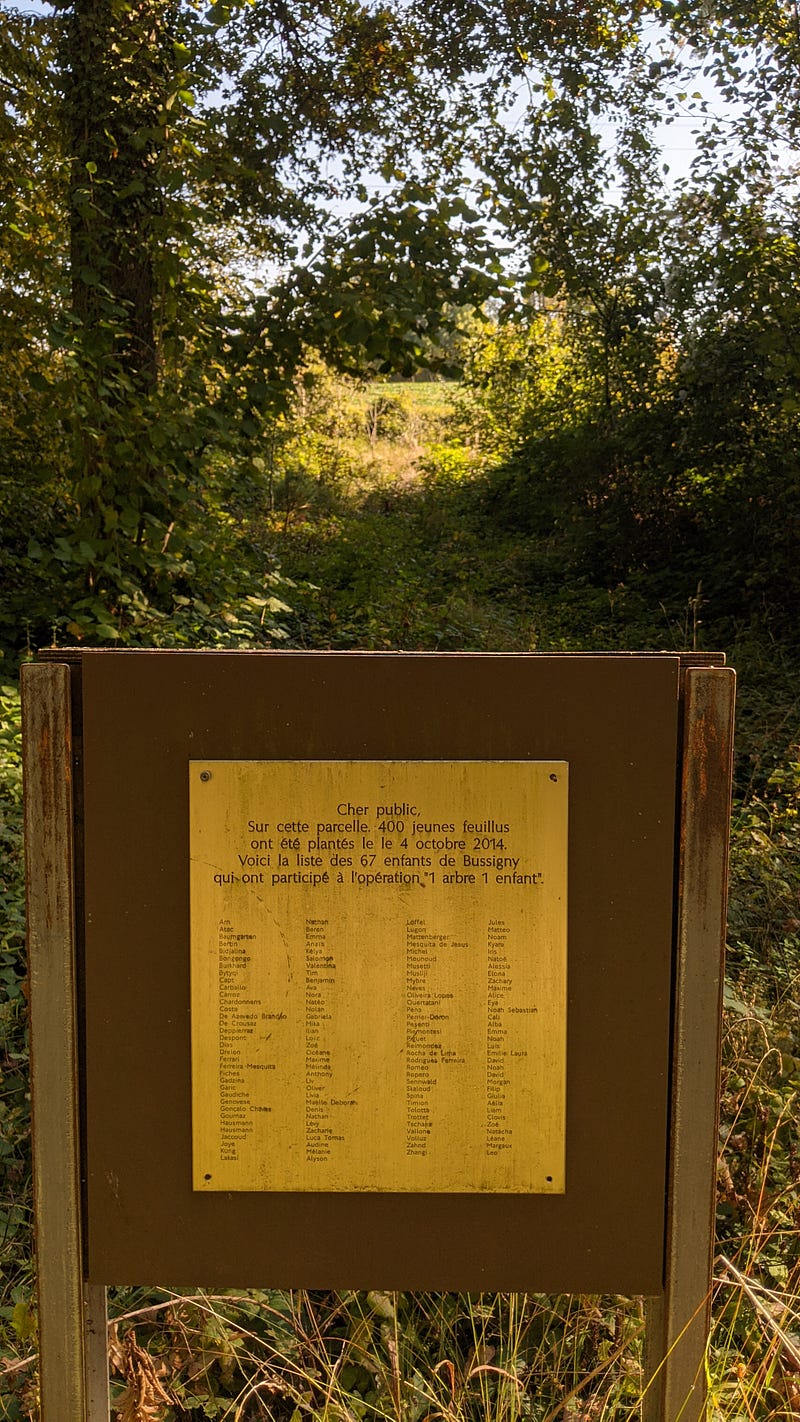
Photo by author Luciano Abriata.

These plantations are usually in the perimeter of the forest, as they attempt to extend them. Here’s what a section of the 2014 plantation looks like:
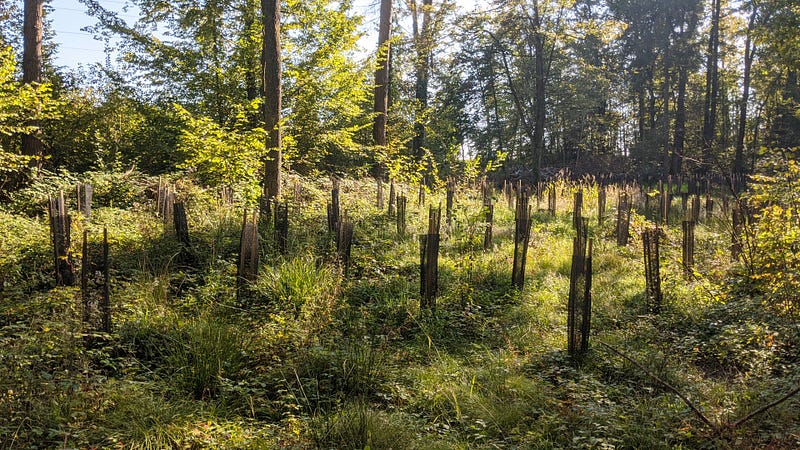
Photo by author Luciano Abriata.

As you see the trees are protected. And if you look inside…
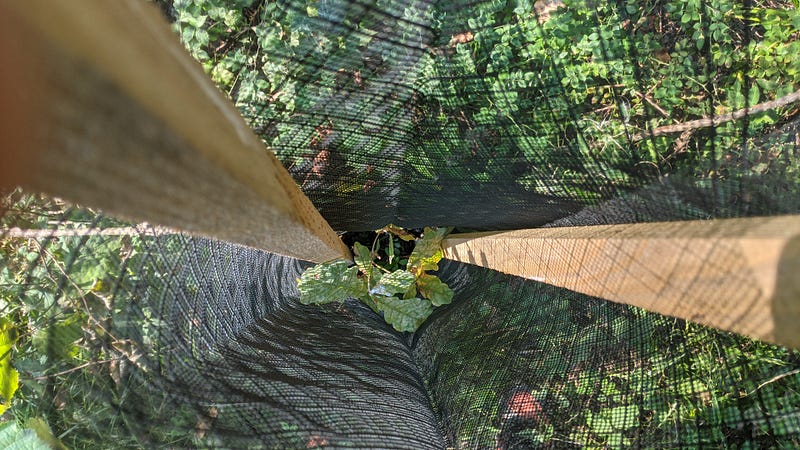
I am Groot! Photo by author Luciano Abriata.

In concluding, dear reader, I set you to think

I hope you’ve enjoyed this story, and that it set you to think about how forests, native species, etc. are managed around your region, in your country, and worldwide. Are the local flora and fauna of your region abundant, or have they been taken over by foreign species? Do you have forests close to your house? Is visiting a forest or other kind of natural space a quotidian activity, or only the subject of a special day out? Are the companies around you engaged in promoting well-being, preserving nature, and communicating its value to future generations? What can you do to improve all these?

In greeting you, I leave you with three more photos:
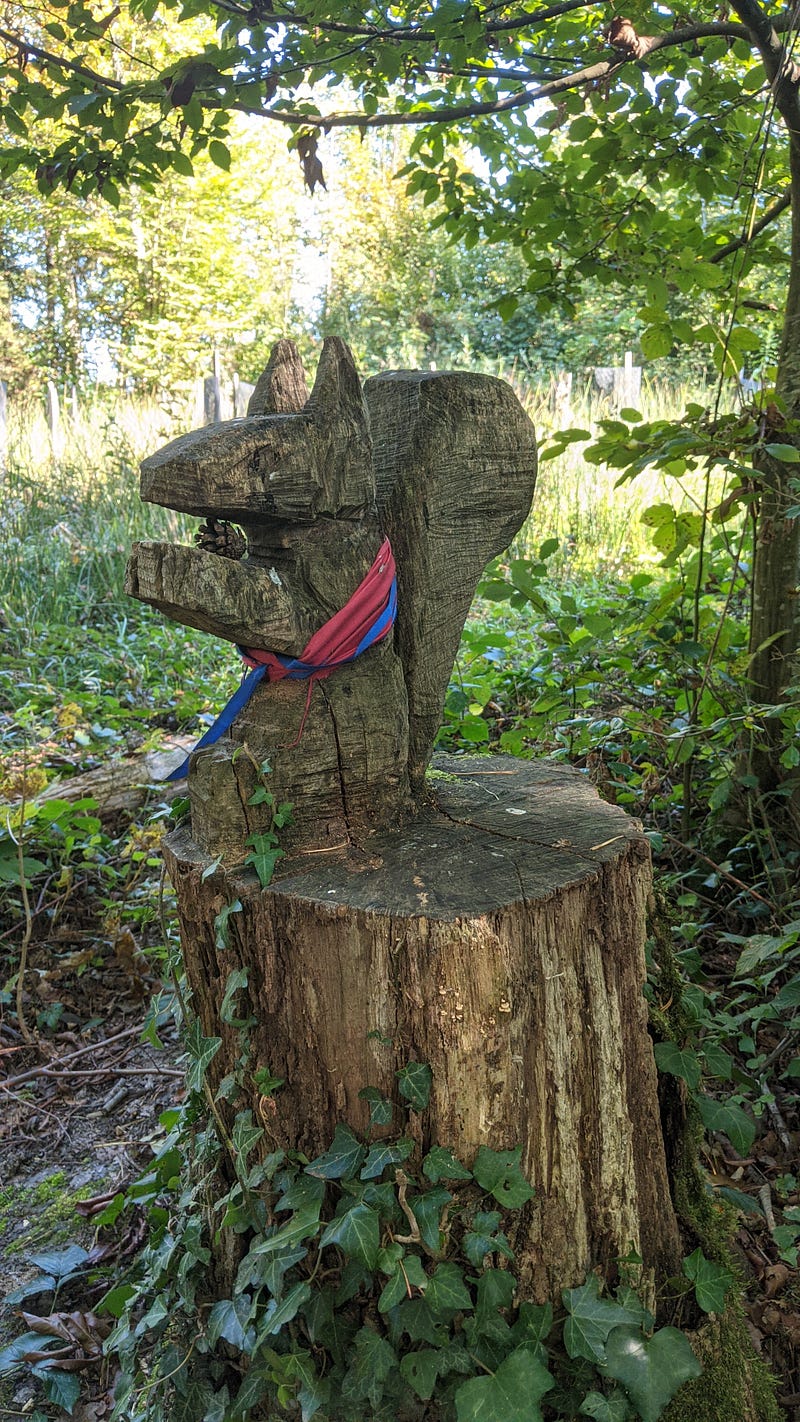
Art in wood. Photo by author Luciano Abriata.
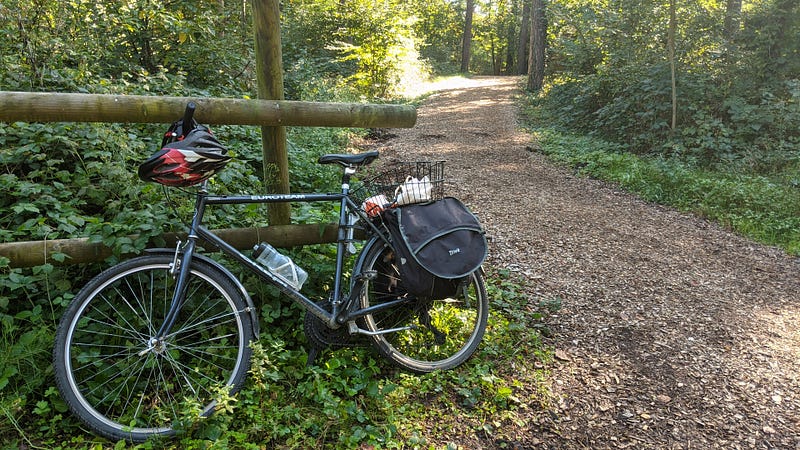
My bike waiting me to take me back home when I finished the routine. Photo by author Luciano Abriata.
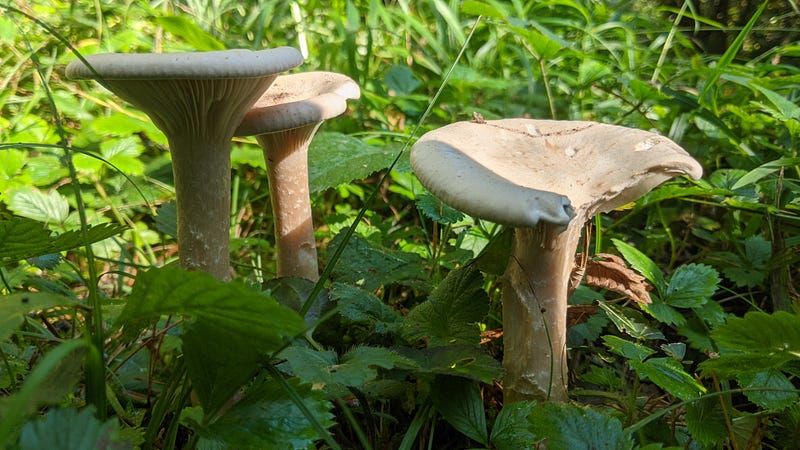
This story happened in autumn, so of course there were plenty of fungi. Photo by author Luciano Abriata.
Nature
Life
Sustainability
Education
Future
Recommended from ReadMedium
avatarTodd B Harrington
The Climate…

Has no monetary system

2 min read