
Coronavirus Tips: Essential Parenting Skills for the COVID-19 Crisis
How will your kids remember you when they look back on the “Great Coronavirus Pandemic of 2020?”
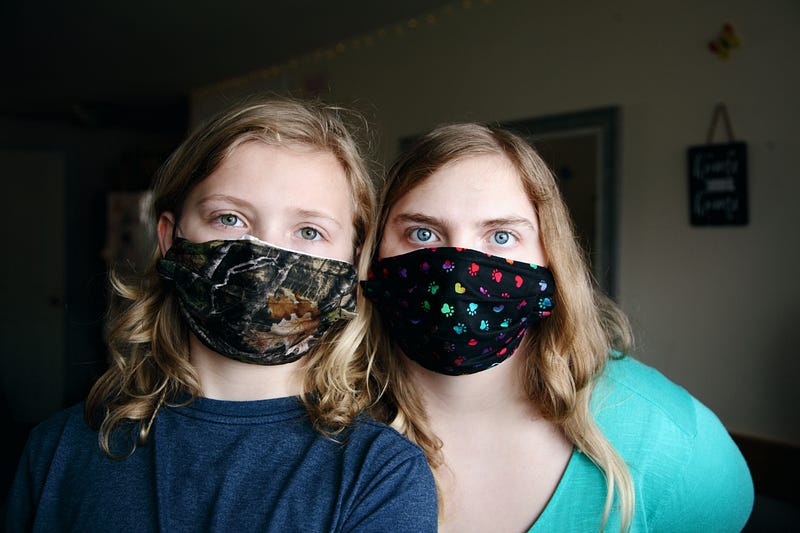
The other day, a friend told me about a stressed-out mom she was standing with in the grocery store checkout line. With her kids right there, she was talking on her cell phone to a friend. She talked about how hard it was to be with her “stupid kids” all day. Her tone was harsh and angry. And her children were listening to every brutal word.
As I looked at expressions of sadness on their young faces, I wondered what it must be like for those children at home — especially in these difficult times.
Like me, you are probably witnessing some terrible and beautiful things. Times of crisis tend to bring out the best or worse in people. And your kids are watching it all. That’s why it’s so important as a parent to be the leader of your family.
We are living in a time of history like no other.
These are uncharted waters, especially for parents.
Families suddenly thrust together, sheltering in a lockdown environment, forced to get along together like never before. Kids are home from school and at home all day long. As a parent, you’re likely getting to know your kids in a way that the previous world as we knew it would never allow.
It’s time for you to rise up and lead your family through this Coronavirus crisis. Are you up for the challenge of being a real parent to your kids?
OK to be afraid. Not OK to let fear rule your family
I have been a parent for a lot of years. I have a lot of experience with raising kids through a lot of good and bad times. As a parent, there are times you’ll likely feel a bit uncertain, maybe even afraid. Before Coronavirus times, that was perfectly normal. Now it’s just another part of your job as a parent.
So you’re afraid — who isn’t these days?
It’s OK to feel afraid. Don’t let anyone tell you differently.
But let’s put that aside for a minute. As a parent, you have a responsibility to temper that fear and be more aware of the example you’re setting for your kids. It’s vital that you make this time as normal as normal can be in this new lockdown existence. Your kids are looking to you for guidance, reassurance, emotional stability, how they should feel, etc. — they’re going to model your response to and behavior in this crisis.
It’s a tall order, but you can do this.
You’re a role model whether you like it or not
Your kids learn from your example. They react to your reactions. The way you talk about COVID-19 or the Coronavirus will either increase your child’s fear or make them feel safe and unafraid. Assure them that things are going to be OK, that you’ll do everything in your power to make sure they remain healthy and safe.
Be honest and accurate with your kids
Lots of people are talking about things about which they know little or nothing. This goes for the media, especially. There’s a lot of misinformation and downright lying. Do your best to keep informed by checking with official sources like the CDC. Because kids typically imagine things to be worse than they actually are, be sure to correct any misinformation your kids may be picking up. Facts reduce fears.
Explain simple safety procedures
Don’t assume your kids know about staying safe. Be upfront and explain to them exactly how the Corona Virus spreads through close contact or when an infected person sneezes or coughs. Explain social distancing and how that keeps the virus from spreading.
Tell them how long the virus can live on objects or surfaces and how they can still get infected if they don’t take proper steps to clean and sanitize these. Talk about why it’s essential to wear a mask when they go outside.
Stay up-to-date on the facts
As a parent, it’s your job to make sure your kids get the most accurate and up-to-date information. Explain to them that there are many rumors and inaccuracies about the COVID-19 virus. Use official sources like the Centers for Disease Control (cdc.gov) for the latest information and news.
Monitor what they watch on television and consume on social media
I’ve worked in television media for most of my career, and I assure you — some people in this industry will do anything to make a dollar or to further their reputation. This includes spreading unsubstantiated rumors, disseminating false information, and outright lying. Your kids are watching and listening even when you think they’re not.
For younger kids, restrict access to specific programs. For older kids, make sure they know how to separate the facts from inaccurate information. For all your kids, monitor television, the Internet, and especially social media.
How to talk to your kids about Coronavirus
First, always stay calm, be positive, and listen. Let your kids questions guide the discussion, they’ll tell you exactly what their concerns are. Always approach any discussion with your kids in a spirit of unconditional love. Reassure them that all even though these are uncertain times, they can always rely on your love for them.
Keep explanations age-appropriate. Younger kids don’t need to know certain details and are not likely to understand long, detailed explanations. Share what you deem appropriate for their age.
Always be mindful of their mental health. Their mental stability is dependent on you to provide a stable, loving, and safe home environment.
Stay connected to their continuing education
It’s crucial to establish and maintain a daily routine. With schools closed, you are responsible for teaching your kids. Routines help kids maintain a sense of control, provide predictability, and a sense of well-being.
Do a Google search for “homeschooling” or “home school,” and you will find lots of helpful information to make the best of this time. It’s also a good idea to let kids stay connected with teachers and friends from their school.
One last note on schooling your kids at home: It’s not a smooth transition to have your kids at home all the time, let alone teaching them for the first time. Just accept that it’s going to be difficult right upfront. It’s likely going to require some growth on your part and your kids as well.
As a parent, lead by example and show them how it can be a pleasurable experience if everyone decides to make it that way.
One day, you’re going to look back and remember these days
Just ten years old at the time, Priyanka Matteo looks back and remembers how her mom was the steadfast emotional anchor when the Persian Gulf War disrupted her family’s life in Riyadh. She talks about the war being a scary time for her.
She and her family would be awakened every night by blaring air-raid sirens, stumble into a makeshift bunker, and strap on their gas masks. She remembers her mother laughing in the midst of all that and telling her everything was going to be “fine.”
In a recent New York Times article, Priyanka recalls those terrible times; Whatever fear I felt after those first nights has been lost to time and replaced by silly gas mask anecdotes, family hangs and memories of my first crush — regular kid things.
Her parent’s reassurance that everything was going to be OK was what she remembered.
I want you to think about something for a minute.
Imagine yourself talking to your kids 20 years from today. How will they remember you and the way you acted as their parent in the Great COVID-19 Crisis of 2020? Wouldn’t it be great to hear them talk about you as an example of kindness, reassurance, and stability? That you made their time in this crisis something they remember as a positive experience? That you were a parent in a time of crisis?
You can choose to make it so.